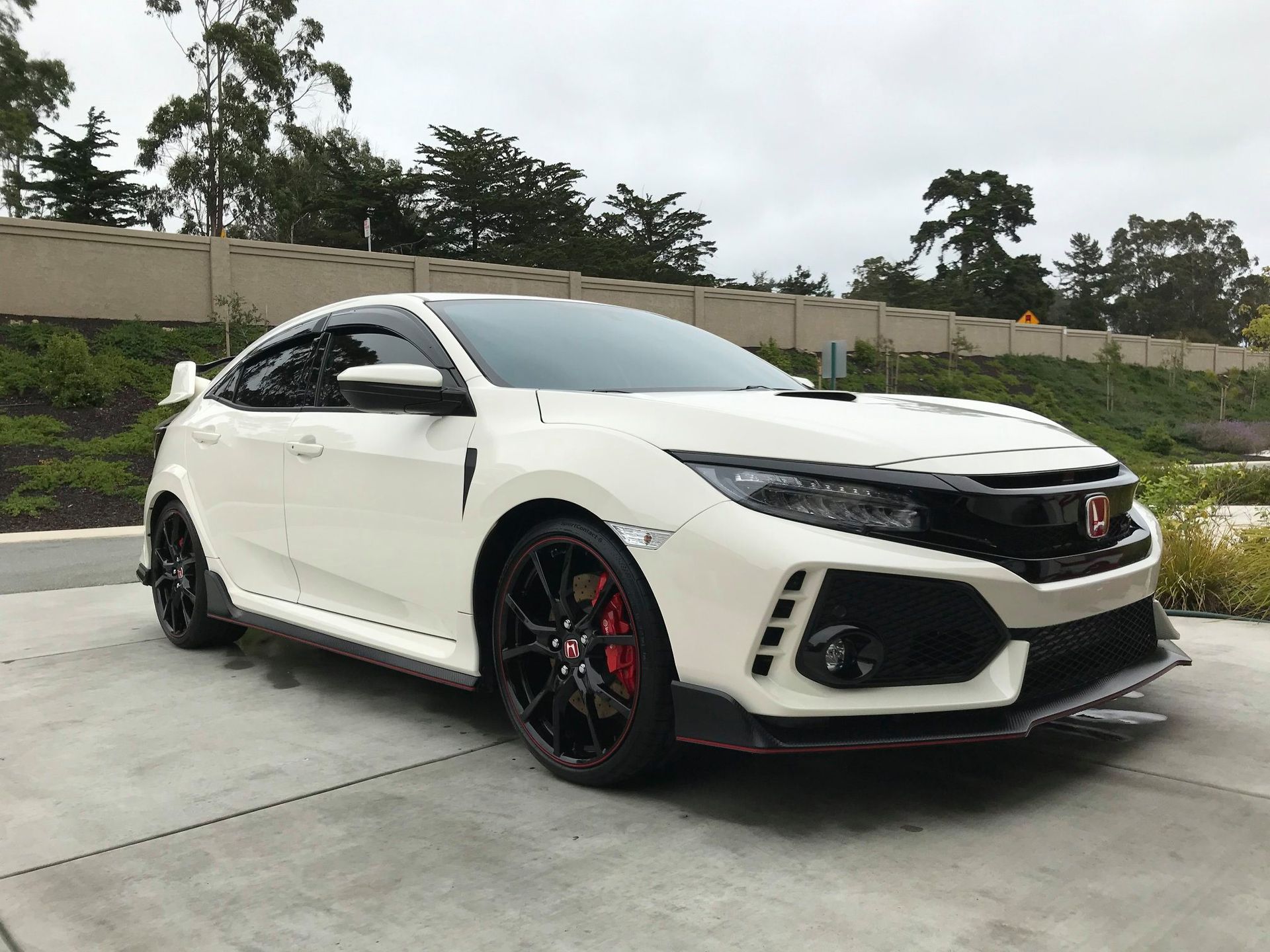
Ceramic Coating vs. Wax: Which Offers Better Protection for Your Car's Paint?
If you've ever wondered whether ceramic coating or wax is better for protecting your car's paint, you're not alone. Both options promise to keep your vehicle looking sharp, but they work in very different ways. Ceramic coatings offer long-lasting armor against scratches and grime, while waxes provide a quick shine that feels satisfying to apply. Deciding which one fits your needs means understanding how each works, their benefits, and what kind of care they require. Let's break down the real differences so you can pick the best protection for your ride.
Ceramic coating offers significantly better protection than traditional waxes by creating a durable, chemical-bonded shield that lasts several years, defending against dirt, UV rays, chemicals, and minor scratches. While wax provides a warm gloss and short-term protection lasting weeks to months with frequent reapplication, ceramic coatings deliver long-lasting durability and easier maintenance, making them the recommended choice for superior paint protection.
Ceramic Coatings and Wax: An Overview
Ceramic coatings are liquid polymers that form a tough, chemically bonded layer on your car's paint. This bond integrates with the paint at a molecular level, creating a protective shell that repels dirt, rain, and UV rays while standing up to mild scratches and chemical stains. This durability is why ceramic coatings can last anywhere from three to five years when applied correctly and maintained with proper washing routines.
Wax, whether natural carnauba or synthetic, works quite differently. It settles like a thin blanket on top of your paint's surface without bonding underneath. It shines brilliantly with a warm, rich gloss often described as a "wet candy" look by car enthusiasts, but protection typically lasts only a few weeks to a couple of months before requiring reapplication.
| Feature | Ceramic Coating | Wax |
|---|---|---|
| Chemical Bond | Bonds at molecular level | Sits on surface |
| Durability | 3 to 5 years | 1 to 4 months |
| Protection | Scratch-resistant, chemical and UV protection | Moderate UV and water resistance |
| Application Complexity | Professional recommended, prep-intensive | DIY friendly, simple application |
| Maintenance | Minimal with regular washing | Frequent reapplication required |
Ceramic coatings require a clean, freshly polished surface before application, a process best handled by professionals. Once applied, the coating needs gentle cleaning with pH-neutral shampoos and occasional upkeep products every six to eight months. The payoff is fewer detailing sessions and preserved paint condition for years.
Waxing offers accessibility for those who enjoy hands-on car care. However, its protective benefits fade quickly under sun exposure and harsh weather, leaving your paint vulnerable between applications. For drivers in the Monterey Bay area, where coastal conditions, salt air, and intense UV exposure are year-round realities, investing in professional ceramic coating services fromElite Auto Spa in Marina, CA can offer superior long-term protection.
Comparing Paint Protection Levels
One of the first things to understand when choosing between these options is how effectively each defends your car's paint against daily elements. Ceramic coatings form a chemical bond with your car's surface, creating a hard, resilient layer that acts like armor against UV rays, chemical spills, dirt, and minor scratches. Wax sits on top as a sacrificial layer, adding shine and some protection but wearing off with exposure to weather and washing.
Ceramic coatings excel at guarding against harsh chemicals like road salts or bird droppings, substances that quickly degrade wax surfaces. The hydrophobic quality creates a water-beading effect that keeps dirt rolling off, whereas wax acts as a barrier you need to replenish frequently.
Professional ceramic coating provides long-lasting defense, typically protecting paint for two to four years when professionally applied. Wax generally begins losing effectiveness after just a few months. This endurance does require meticulous surface preparation before application and curing times that can stretch up to 48 hours, making professional application highly recommended. Waxing, while less durable, can be done easily at home.
If you value low maintenance and strong chemical and UV defense, investing in ceramic coating at Elite Auto Spa is a wise choice. If you enjoy quick DIY sessions and prefer regular control over your car's finish, waxing remains appealing, though you'll need frequent reapplications.
Ceramic Coating Durability Factors
The impressive durability of ceramic coatings comes down to two key elements: the chemical bond they form with your car's paint and the exceptional hardness of the ceramic layer itself. When applied properly, these coatings rank high on the pencil hardness scale, resisting minor scratches, swirl marks, and everyday abrasions that would easily mar waxed surfaces. This hardness also creates a surface so smooth that dirt and contaminants have a hard time sticking.
Advanced ceramic coatings feature enhanced molecular cross-linking that improves resistance both mechanically and chemically, repelling UV radiation, acid rain, road salts, and bird droppings more effectively than any wax could. Newer products with self-healing properties can even repair minor surface scratches using heat from sunlight or warm water, something wax simply cannot offer.
That said, ceramic coatings are not invincible. Improper application can leave spots vulnerable to contamination or reduce adhesion strength. If the surface is not thoroughly cleaned or prepped before application, dirt trapped underneath can cause issues later. Professional installation is critical. At Elite Auto Spa, certified technicians employ specialized techniques that ensure optimal curing and bonding, delivering quality you can count on.
Wax Strengths and Weaknesses
Wax remains popular largely because of its simplicity and the immediate visual payoff it delivers. The process is straightforward: spread a thin layer on a clean surface, let it haze, then buff it off to reveal a deep, glossy shine. This deep, warm glow is what sets natural waxes like carnauba apart, and DIY kits cost far less upfront than professional ceramic applications.
However, wax protection is fleeting, typically lasting just four to six weeks under normal driving conditions. Since wax sits on the surface without forming a strong bond to the paint, it washes away faster with rain and regular car washes. It offers only basic scratch protection and is vulnerable to harsh chemicals such as road salts or bird droppings.
Waxing appeals most to those who prioritize immediate shine and enjoy routine upkeep. It suits cars kept primarily indoors or in mild climates where durability is not severely tested.
Application Methods
Applying ceramic coating is a careful, nearly scientific process. Before the coating touches your car, the surface must be immaculate. Professional detailers start with a thorough wash, followed by claying to remove microscopic particles, then polishing to correct swirl marks and scratches. This preparation alone can take several hours. The actual coating is applied in small sections to avoid uneven coverage, followed by a curing period lasting up to 48 hours during which the car should stay dry and dust free.
Wax application starts with cleaning but without aggressive claying or polishing unless desired. You simply wash the vehicle, apply wax using an applicator pad, let it dry, and buff it off with a microfiber towel. Most enthusiasts find this process therapeutic, and because it does not require specialized tools or controlled environments, it is easily done in your driveway. However, wax layers are thin and vulnerable to breakdown from sun exposure and rain, meaning waxing often needs repeating every few weeks or months.
Ceramic coatings create a tough barrier requiring only gentle hand washes with dedicated shampoos and occasional rejuvenation treatments roughly every six months. Wax users must balance enjoying their car's luster against a schedule of frequent reapplication. Regardless of which option you choose, avoid automatic car washes with harsh brushes as they can erode both wax and ceramic layers prematurely.
Longevity and Maintenance
Ceramic coatings typically protect your car's paint for two to five years depending on product quality and environmental conditions. A simple wash every few weeks using a pH-neutral shampoo keeps your vehicle looking pristine, but avoiding harsh detergents or abrasive tools is crucial. Most professional detailers suggest periodic inspection and quick touch-ups if any wear appears.
Wax offers more temporary protection, naturally wearing off due to exposure to weather, washing, and driving conditions. Reapplying every one to three months becomes necessary to maintain a consistent protective layer. This recurring ritual gives car enthusiasts a tactile connection that many find satisfying beyond pure functionality.
Both options require attention tailored to their characteristics. Ceramic coatings are ideal for a lower-maintenance solution with significant long-term protection. Waxing suits those who enjoy active participation and appreciate the rich depth of shine wax provides.
Cost Analysis
Ceramic coatings typically range between $500 and $2,000 depending on product quality and whether you opt for professional application. AtElite Auto Spa, trained technicians apply coatings in controlled environments with precisely executed paint correction, ensuring maximum lifespan. High-quality waxes cost between $20 and $50 per container and can cover multiple applications.
However, wax requires reapplication every few months, sometimes as often as every six to eight weeks. Those recurring costs in time and materials add up considerably over a year. Surface preparation for ceramic coatings, usually involving paint correction, can add between $300 to over $1,000 depending on condition, but this also means your paint looks better immediately.
For car owners who prefer a hands-on approach, good-quality DIY wax kits offer an affordable way to protect paint. But if long-lasting, low-maintenance protection with enhanced gloss appeals to you, the ceramic route is worth serious consideration.
| Factor | Ceramic Coating | Wax |
|---|---|---|
| Initial Cost | $500 to $2,000+ (professional install) | $20 to $50 per container |
| Frequency of Maintenance | Annual inspection and topcoat | Every 6 to 8 weeks |
| Protection Duration | 1 to 7+ years | 6 to 12 weeks |
| Resistance to Chemicals and UV | Excellent | Moderate |
Protect Your Car with Long-Lasting Ceramic Coating
Tired of constant waxing and short-term results? Upgrade to professional ceramic coating at Elite Auto Spa in Marina, CA. Our expert team delivers durable protection, deep gloss, and easier maintenance designed for coastal conditions and year-round exposure.
Call 831-229-3121 today to book your appointment today to give your vehicle the protection it deserves.
FAQs on Ceramic Coating vs. Wax
1. Is ceramic coating better than wax for car paint protection?
Yes. Ceramic coating offers significantly better protection than wax by forming a durable, long-lasting layer that resists UV rays, chemicals, dirt, and minor scratches.
2. How long does ceramic coating last compared to wax?
Ceramic coating typically lasts 2 to 5 years or more with proper care, while wax usually lasts only 1 to 3 months before needing reapplication.
3. Does ceramic coating replace the need for waxing?
Yes. Once a ceramic coating is applied, waxing is no longer necessary because the coating already provides superior protection and gloss.
4. Can you apply wax over ceramic coating?
It is possible, but generally not recommended. Wax can reduce the hydrophobic performance of the ceramic coating and does not add meaningful protection.
5. Which is better for shine: ceramic coating or wax?
Wax provides a warm, deep glow, while ceramic coating delivers a high-gloss, reflective finish. The better choice depends on your visual preference.
6. Is ceramic coating worth the higher cost?
Yes, for many car owners. Although the upfront cost is higher, ceramic coating saves time and money over the long term by reducing maintenance and protecting paint for years.
7. Does wax protect against scratches and UV rays?
Wax offers limited protection against UV rays and very minimal scratch resistance. It mainly enhances shine and provides short-term surface protection.
8. Which option is better for coastal areas like Marina, CA?
Ceramic coating is better suited for coastal environments because it resists salt air, UV exposure, and moisture more effectively than wax.