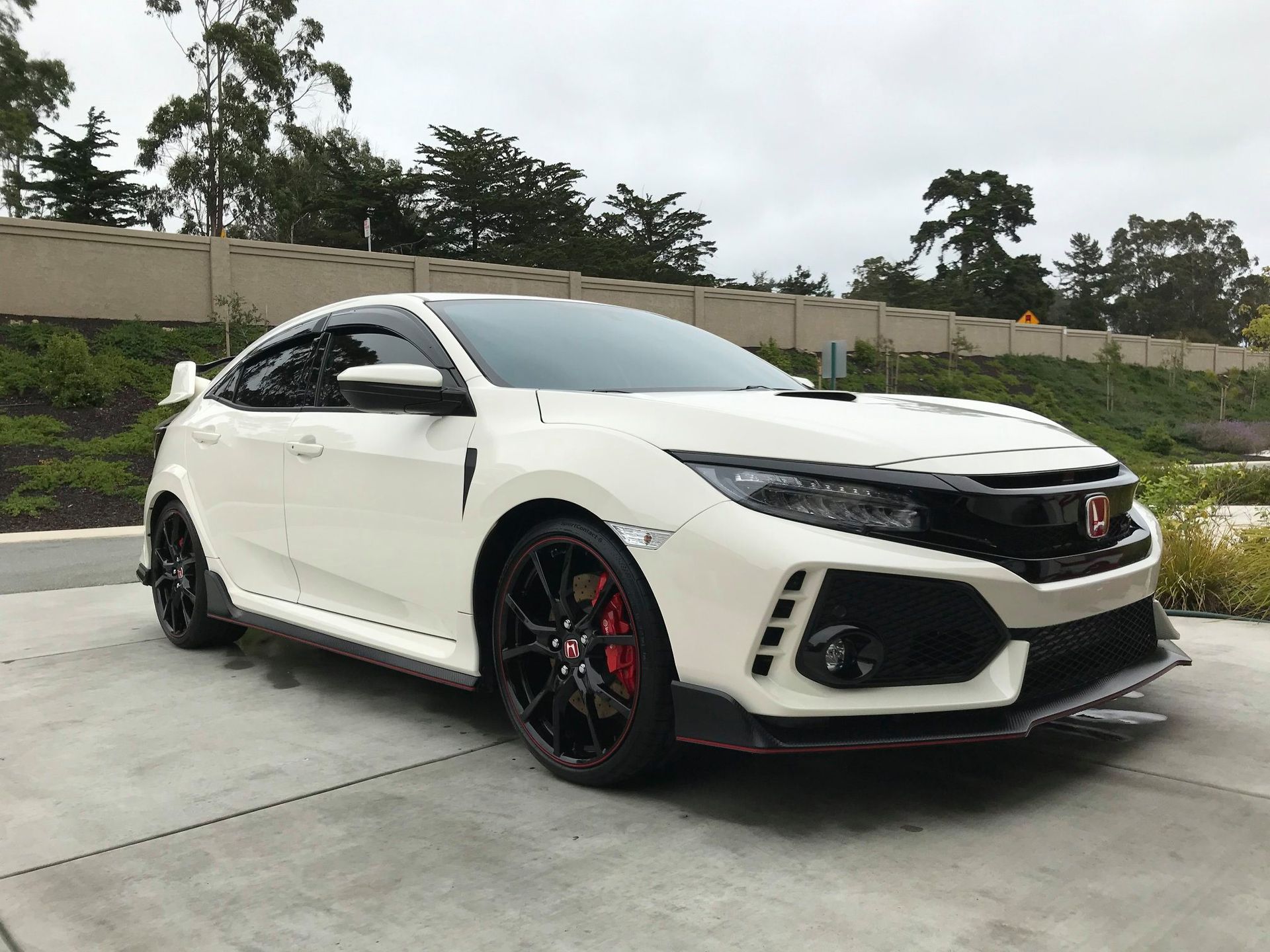
Ceramic Coating Protection for Coastal Salt and UV Rays: Enhance Vehicle Durability
Living near the coast means your vehicle faces some of the harshest daily conditions imaginable. Salt in the air accelerates rust, and sun exposure strong enough to fade paint faster than most owners realize. A ceramic coating is not simply about making your car look shiny; it creates a durable chemical barrier that protects against both of these threats while making the vehicle easier to maintain. For anyone looking to keep their vehicle looking its best and lasting longer near the shore, understanding what ceramic coatings offer is an essential first step.
Ceramic coating provides excellent protection for vehicles exposed to coastal environments by forming a strong, hydrophobic barrier that repels corrosive saltwater and reduces oxidation caused by moisture. While it does not block UV rays directly, the coating chemically bonds with the vehicle’s paint to slow down oxidation and fading triggered by sun exposure, helping preserve both appearance and resale value over time.
Benefit of Ceramic Coating
Ceramic coating is a chemical bonding process that creates a resilient shield against the daily challenges your vehicle faces. Unlike waxes or sealants that sit on top of the paint and wear off relatively quickly, ceramic coatings bond at the molecular level with the factory clear coat, providing protection that lasts years rather than months. For drivers near the Monterey coastline, this durability is critical because salt spray and intense UV rays relentlessly attack unprotected paintwork.
What distinguishes ceramic coating is its hydrophobic barrier. When water contacts a coated surface, it beads up and slides off rather than lingering, preventing corrosive saltwater from settling on the paint and initiating oxidation. Salt spray resistance tests (ASTM B117) demonstrate that metal surfaces protected by ceramic coating can withstand over 1,000 hours of continuous exposure without visible corrosion, whereas uncoated surfaces begin showing damage within 100 hours.
UV protection works through a different mechanism. Ceramic coatings shield the paint by limiting oxygen’s access to the clear coat, indirectly slowing the oxidation that causes fading and cracking. The coating also reflects radiant heat, reducing thermal stress that can cause blistering on vehicles parked outdoors daily. The result is a multi-layered defense combining durability, hydrophobicity, oxidation resistance, and heat management.
Coastal Protection: Guarding Against Salt Damage
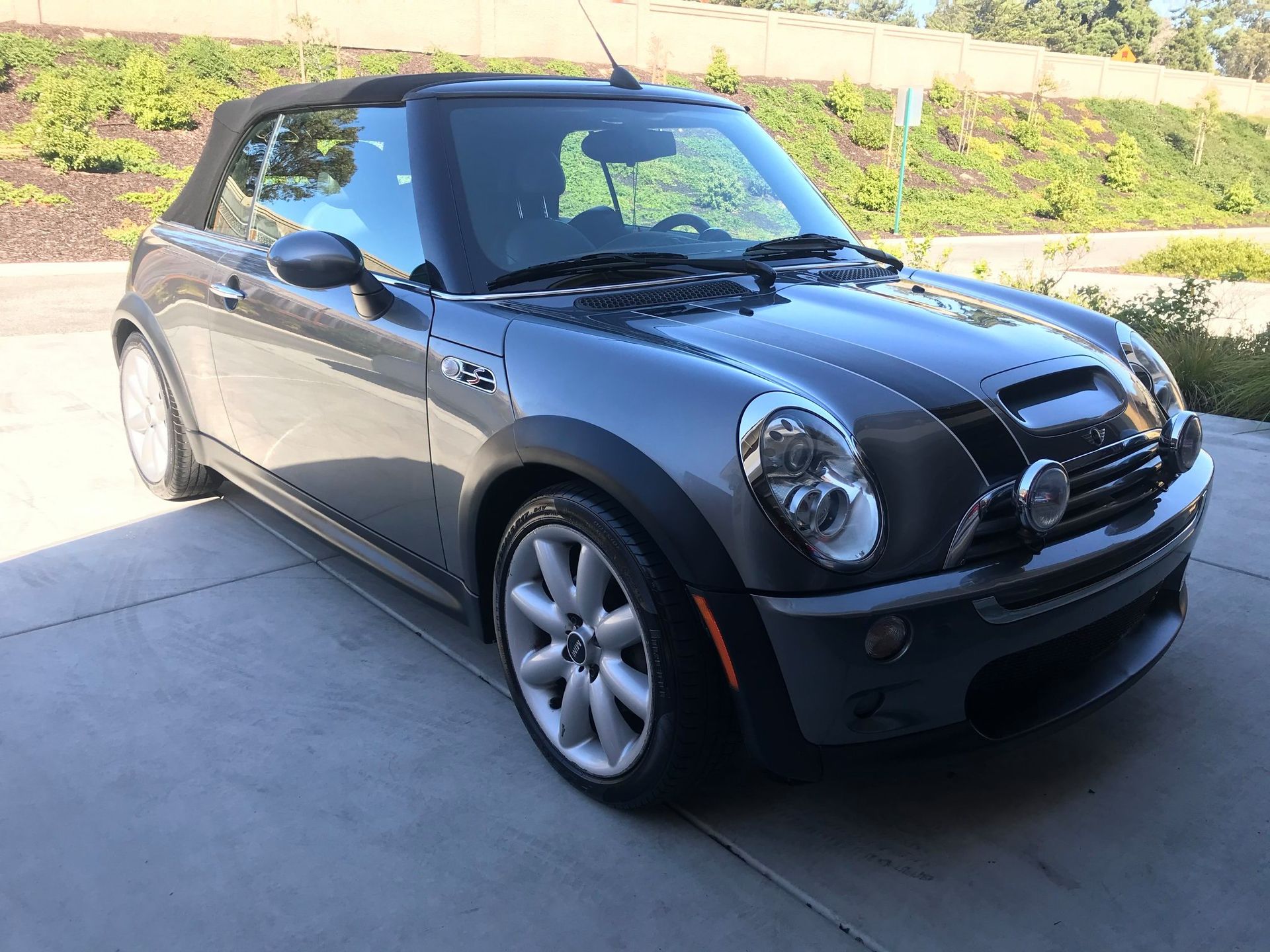
In coastal environments, salt is a persistent adversary to your vehicle’s finish and structural components. Research indicates that saltwater can speed up metal corrosion by up to five times compared to freshwater exposure. Unlike traditional waxes or paint sealants, ceramic coatings bond chemically with the factory paint to create a hydrophobic surface that repels water and drastically reduces how much saltwater can cling to the vehicle, minimizing corrosive contact with the metal beneath the paint.
"The best way to think about ceramic coating in coastal areas is as a multi-functional guardian: it does not just sit there looking shiny; it actively defends against both corrosive agents and environmental wear."
At Elite Auto Spa, we specialize in certified ceramic coating installations tailored specifically for demanding environments like the Monterey coastline. Our expertise ensures each application bonds properly and provides maximum longevity against the salt spray and humidity challenges common throughout this region.
UV Defense: Shielding from Sun Damage
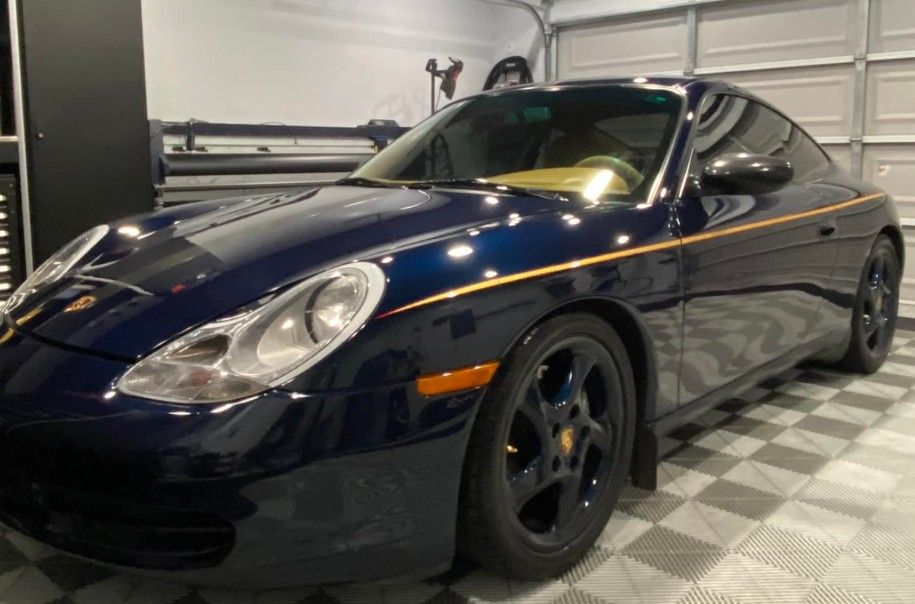
The sun’s ultraviolet rays quietly but persistently at tack your vehicle’s paint every day, particularly in coastal regions where sunlight tends to be intense. This constant exposure leads to fading, surface cracking, and blistering. Automotive ceramic coating create a chemical bond with your vehicle’s factory paint that reduces damage by protecting the clear coat from oxidation, effectively extending the lifespan of your car’s paint by three to five times compared to unprotected surfaces.
Traditional waxes offer some level of UV defense, but their protection is brief and requires reapplication every two to three months. Ceramic coatings bind chemically to your paint rather than simply resting on top, making them far more durable against prolonged UV exposure. Elite Auto Spa recommends inspecting and maintaining the ceramic coating every 18 to 24 months depending on driving habits and environmental exposure.
How to Apply Ceramic Coating
Applying ceramic coating is a meticulous process where preparation is the most critical phase. The process begins with a thorough wash and complete drying of every surface. A clay bar is then used to decontaminate the paint, removing embedded impurities such as tar, industrial fallout, and iron particles. Polishing follows to remove swirl marks, minor scratches, and oxidation so the coating bonds to a clean, level surface.
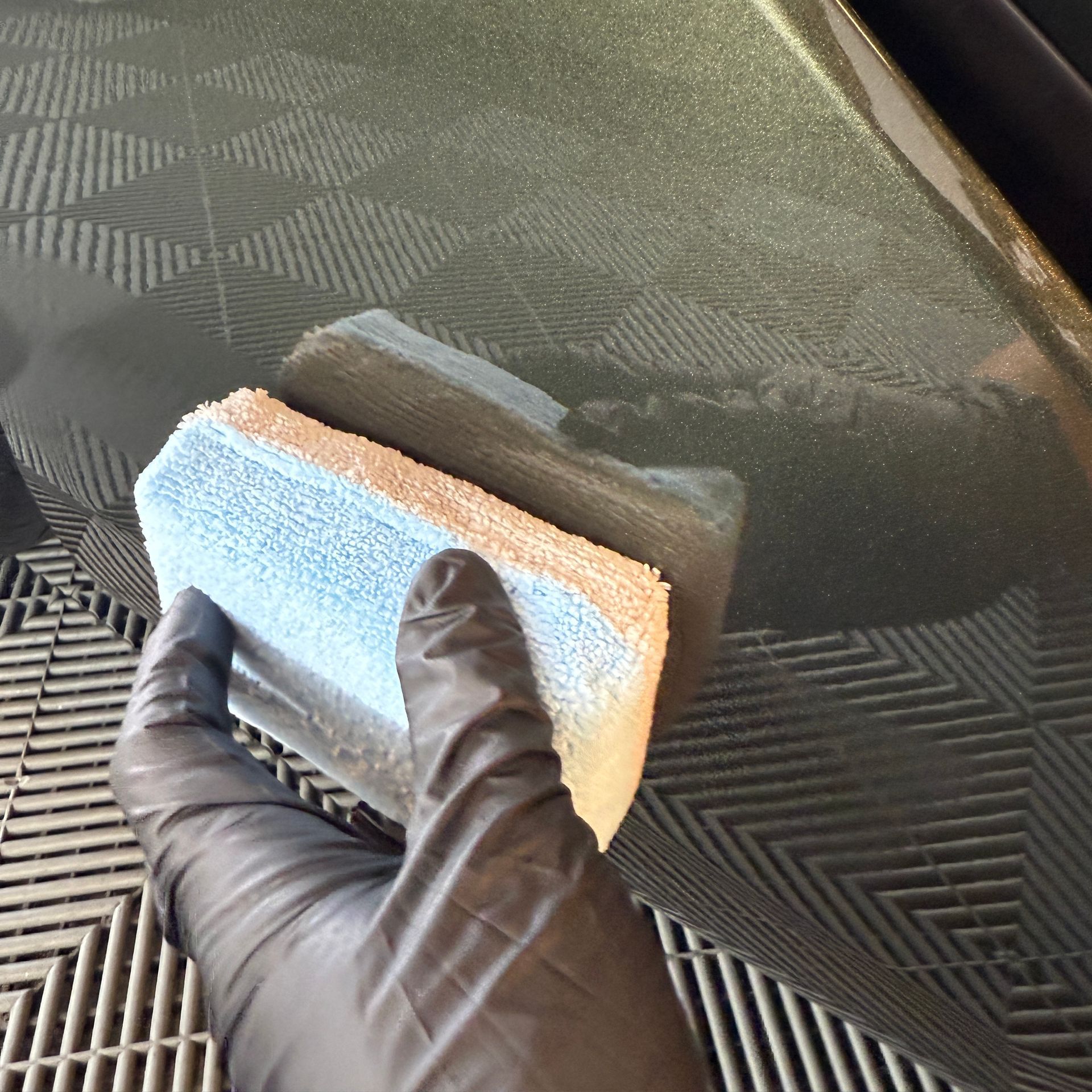
With the vehicle prepared, the coating is applied in small sections using an applicator pad to spread a thin, uniform layer. After a brief flash period of one to five minutes, excess is buffed off with a clean microfiber towel. Curing requires a minimum of 24 hours in a dry, temperature-controlled environment during which the vehicle should not be washed or exposed to moisture.
Long-Term Benefits of Ceramic Coating
One of the most practical long-term advantages of ceramic coating is the reduction in washing frequency. Vehicles treated with this protective layer repel dirt, grime, and salt far more effectively than those relying on traditional waxes. Research published in Auto Detailing Magazine found that vehicles with ceramic coatings required roughly 30% fewer washes annually, and their paint gloss degraded at less than half the pace of untreated vehicles subjected to similar sun and salt exposure over a three-year period.
Oxidation prevention is another significant long-term benefit. Ceramic coatings chemically bond with the clear coat to slow oxidation processes, restricting oxygen’s access to the paint surface and halting reactive damage before it takes root. By maintaining the integrity of the clear coat, which inherently contains UV inhibitors, the vehicle’s original paint remains intact longer without cracking or peeling.
| Benefit | Impact |
|---|---|
| Reduced wash frequency | Saves time and ongoing maintenance costs |
| Hydrophobic surface | Repels dirt, saltwater, and sand effectively |
| Oxidation slowdown | Preserves paint from UV and chemical damage |
| Gloss retention | Maintains a showroom finish for years |
| Protection against corrosion | Minimizes rust formation in high-salt environments |
Enhancing Vehicle Appearance
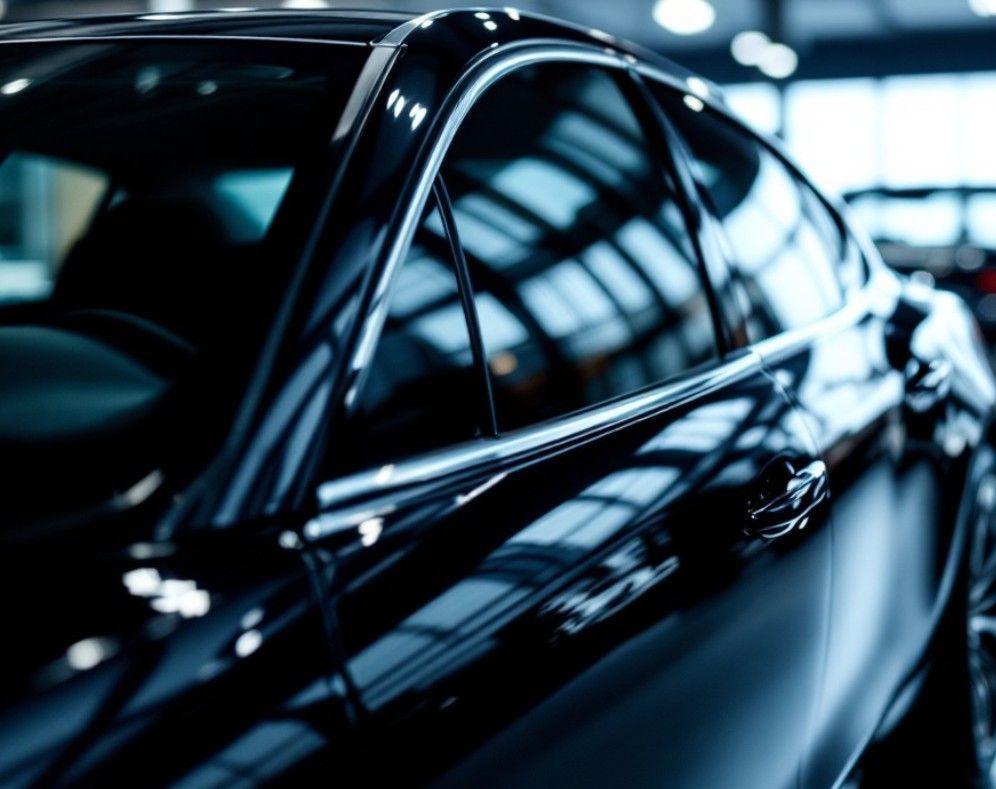
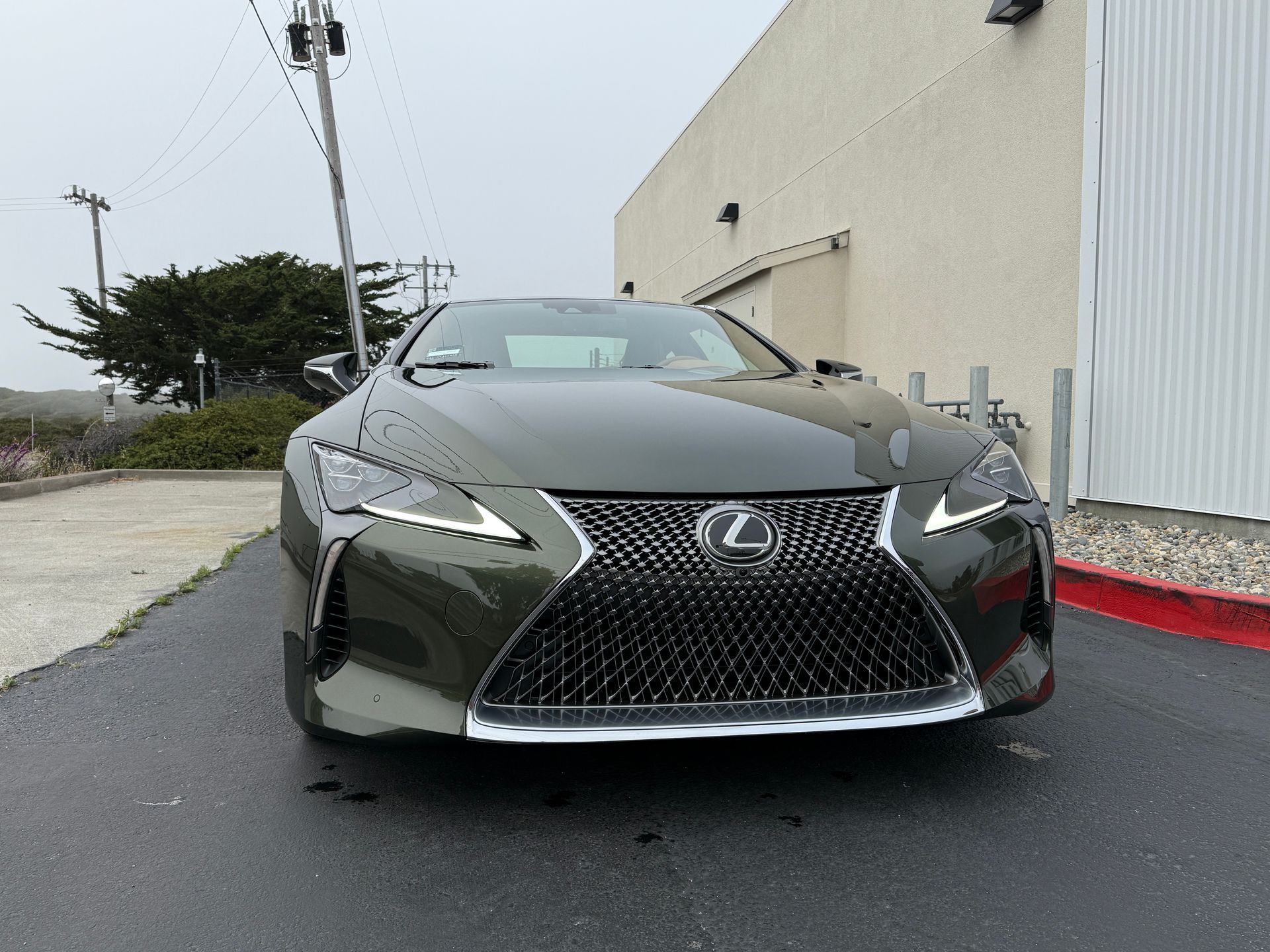
Ceramic coatings create a durable, glass-like finish that enhances the depth and richness of your car’s color. This glossy effect signals that your vehicle is well-maintained, often making it appear freshly detailed even months after the initial application. By bonding at a microscopic level and smoothing out surface imperfections, the coating creates a reflective finish that boosts the clarity and vibrancy of your car’s color in a way that is subtle but unmistakable.
Car owners who invest in professional ceramic coating installations frequently report that their vehicles attract attention for their striking gloss and color depth. Recent research indicates that ceramic coatings can boost surface gloss by up to 30% compared to untreated paint. In coastal regions like the Monterey area, where salt spray and UV rays threaten paint vibrancy daily, Elite Auto Spa delivers that showroom-level finish that persists despite harsh conditions.
Factors Influencing Coating Longevity
The durability of a ceramic coating depends on several factors. The quality of the product itself is the starting point; premium coatings use advanced formulas and higher-grade ceramic particles that form stronger bonds and resist degradation more effectively than budget alternatives. Professional application ensures the vehicle’s surface is thoroughly prepared through paint correction and decontamination, allowing the coating to adhere uniformly without weak spots.
Proper maintenance routines are the most controllable factor in extending coating life. Washing every one to two weeks with pH-neutral soaps prevents chemical damage, while avoiding automatic washes with spinning brushes protects against micro-scratches that weaken the ceramic layer. Routine booster applications reinforce hydrophobicity and gloss without requiring a full reapplication. Smart parking choices, preferably indoors or in shaded areas, reduce oxidation from overnight dew, tree sap, bird droppings, and other acidic contaminants common near the coast.
Protect Your Vehicle from Coastal Damage Year-Round
Salt air and intense sun can quickly wear down your vehicle’s paint if left unprotected. Ceramic coating creates a durable barrier that helps defend against corrosion, fading, and long-term damage while keeping your car looking its best.
At Elite Auto Spa, we specialize in ceramic coating solutions designed for coastal conditions, ensuring maximum protection and long-lasting results.
Call us today at 831-229-3121 to book your appointment online for expert protection tailored to your environment.
Frequently Asked Questions
How often should a ceramic-coated vehicle be maintained to ensure maximum protection against coastal elements?
For vehicles in coastal environments, professional inspection and maintenance every 6 to 12 months is recommended. Routine washing with pH-neutral soaps between professional visits further extends the coating’s effectiveness.
How does ceramic coating prevent damage caused by saltwater exposure near coastal areas?
Ceramic coating creates a hydrophobic, chemically resistant barrier that prevents salt and moisture from bonding to the paint surface. This barrier significantly reduces oxidation and corrosion, two of the primary causes of coastal vehicle deterioration.
Are there any limitations or drawbacks of using ceramic coatings in harsh marine environments?
While ceramic coatings offer strong protection against salt and UV exposure, they are not permanent or entirely maintenance-free. Ceramic coatings also do not make a vehicle completely scratch-proof; physical abrasions from sand or debris can still compromise the layer. Regular washing and periodic professional inspections are essential to keeping the protection performing at its best.
Can ceramic coatings provide long-term UV ray protection for vehicles regularly parked outdoors?
Yes. Ceramic coatings slow UV-induced oxidation by protecting the clear coat from the oxygen exposure that accelerates paint breakdown. Properly applied coatings can extend the effective life of a vehicle’s paint significantly, making them a sound investment for cars regularly exposed to the coastal sun. Reapplication or professional inspection every 18 to 24 months ensures that protection remains consistent over time.