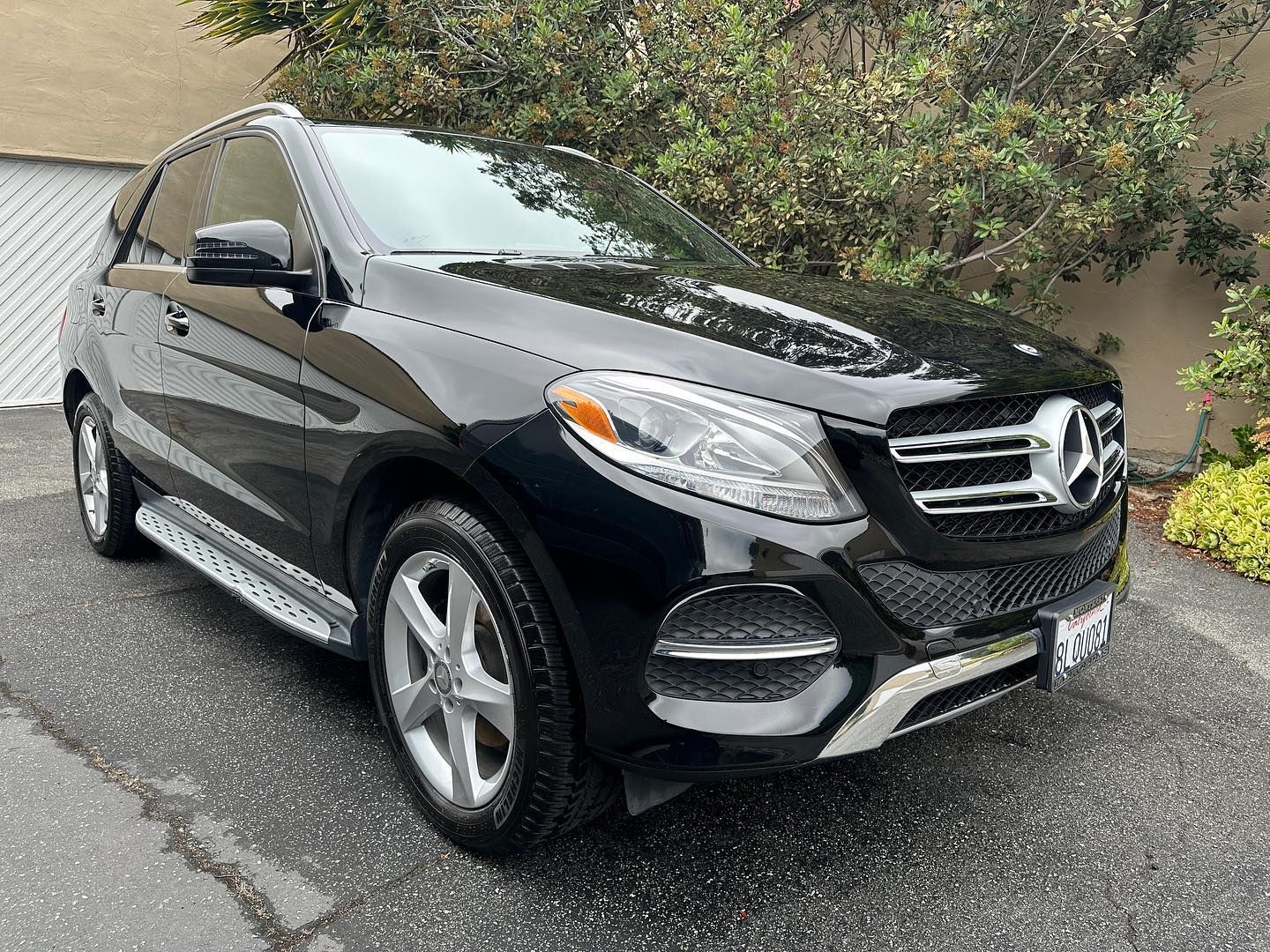
How Long Does Paint Protection Film Last in California Sun: Effects of UV Exposure and Weather Conditions
If you live in California, you know the sun isn't just bright, it's tough on your car's finish. Paint Protection Film (PPF) shields your vehicle from scratches and damage, but how long does that shield last under this relentless sun? We dug into how UV rays and California's weather affect PPF lifespan so you can get the most out of your investment, whether you drive along the Monterey coastline or inland through the valley.
PPF installed in California typically lasts 6 to 10 years, depending on film quality, installation, and maintenance. Premium films from manufacturers like XPEL or 3M, combined with routine washing and garage storage, help maximize durability despite strong UV exposure and heat.
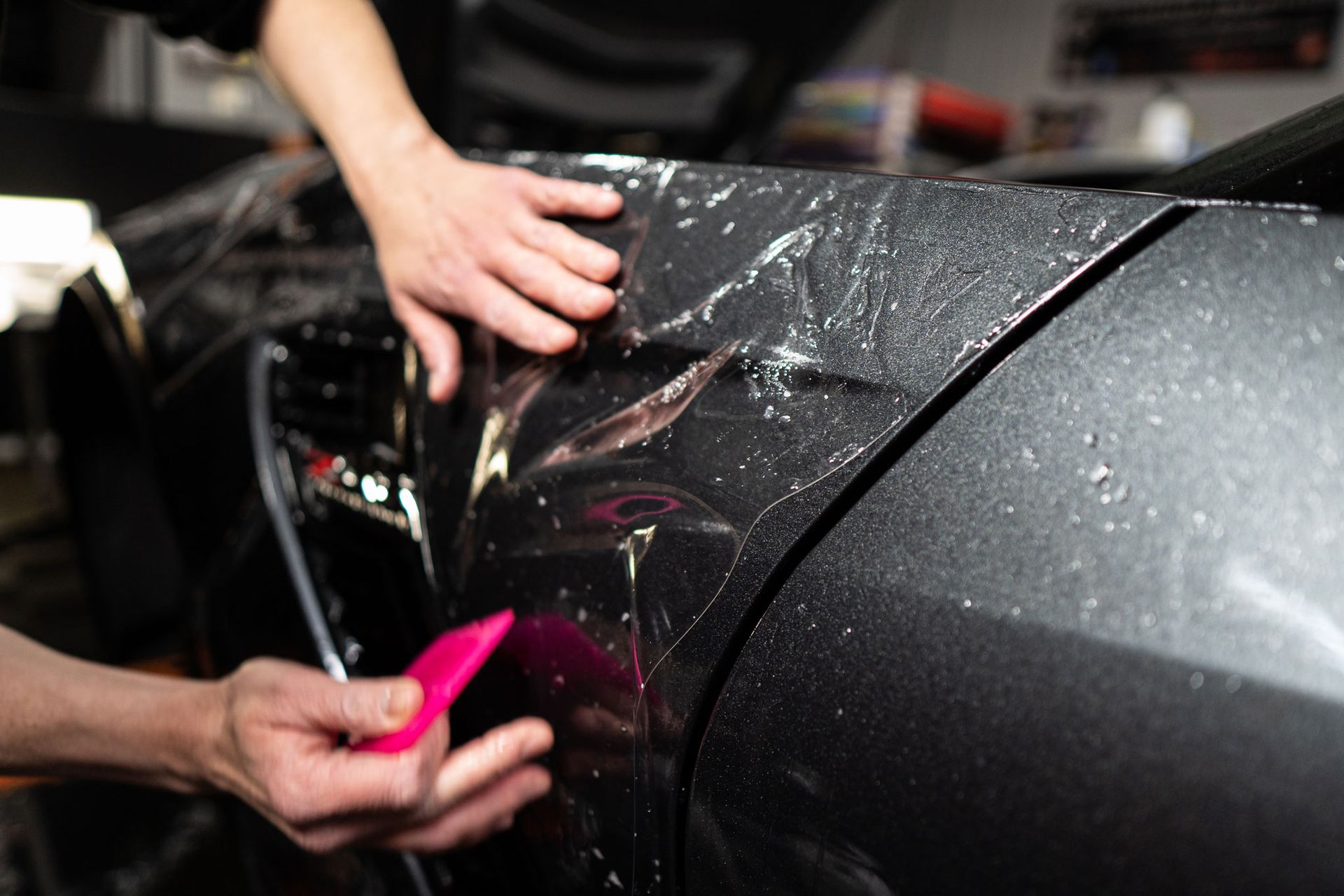
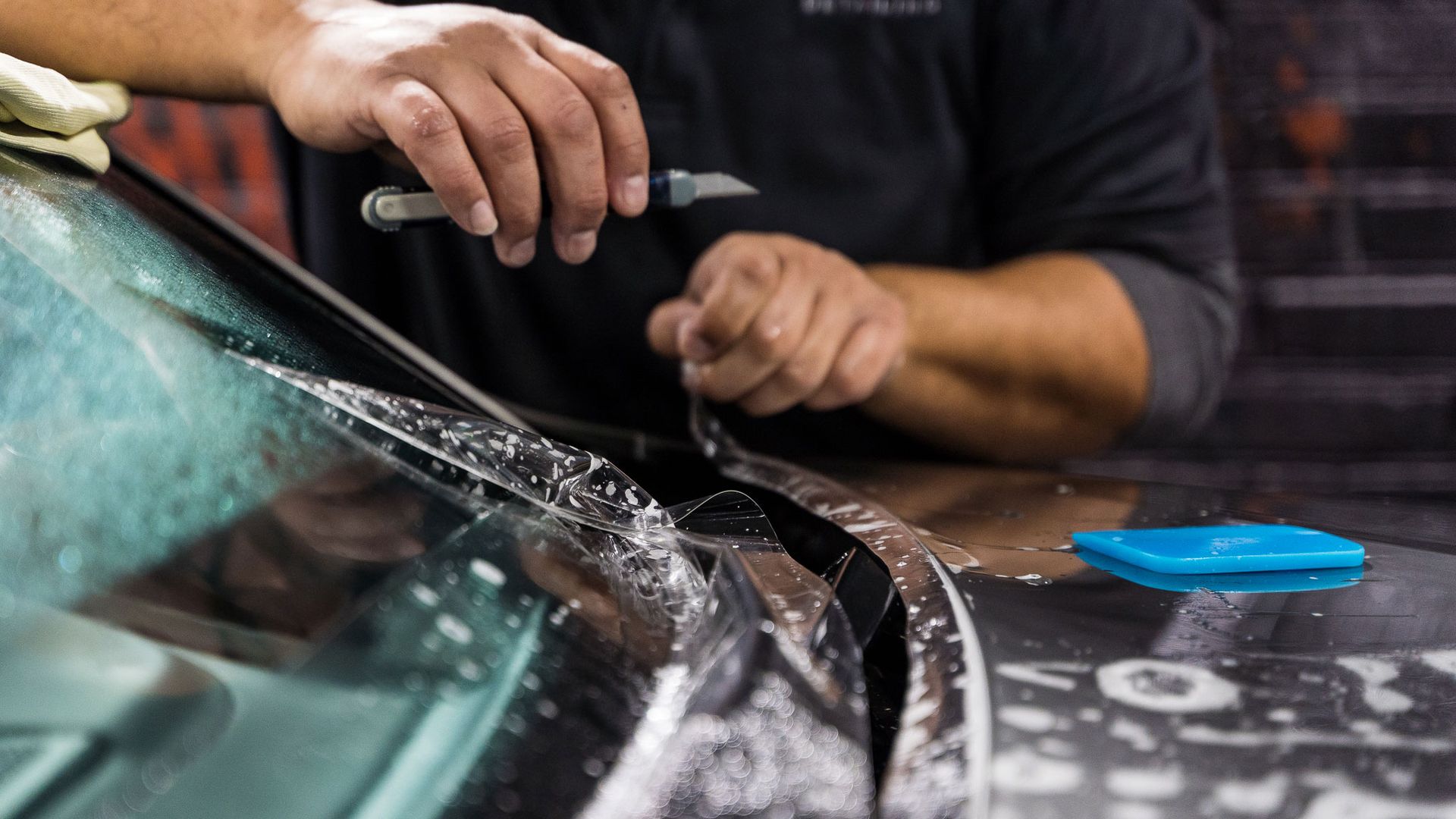
How UV Exposure Affects Paint Protection Film
Sunlight carries ultraviolet (UV) rays that cause serious wear to PPF over time. In California, where the UV index regularly peaks between 7 and 11, this exposure is intense and persistent. UV radiation attacks the polymer chains in the film, causing gradual yellowing and brittleness. Once PPF loses its clarity and flexibility, it no longer shields your vehicle effectively from scratches or debris.This degradation isn't just cosmetic; it affects performance. Over several years of constant sun exposure, even high quality films can lose up to 15 to 20% of their elasticity, much like a rubber band that snaps after repeated stretching. Lab studies simulating roughly ten years of UV exposure show a marked decline in elasticity and transparency around the seven year mark. For Central Coast drivers, PPF typically maintains peak condition for five to seven years before degradation appears, depending on whether the car is garaged and maintained consistently.
Modern PPF formulations incorporate UV inhibitors that slow this breakdown, which is why top brands like XPEL and 3M advertise ten year warranties. Frequent washing removes contaminants like bird droppings or tree sap before they etch into the film, and a ceramic coating boosts resistance to staining.
California Climate Impact on PPF
California's range of weather, from inland heat to coastal fog, demands a resilient film. In warmer inland areas, daytime temperatures routinely climb above 90°F in summer, softening adhesives and causing the film to lift or bubble, which invites dirt and moisture underneath.
Heat and humidity together pose risks along the Monterey coastline, where condensation can settle beneath the film through minute gaps, causing spotting or premature adhesive failure. Coastal air also carries corrosive salt particles that accelerate wear, while inland areas expose vehicles to fine airborne particles that wear down film thickness.
- Heat effects: Adhesive softening that causes lifting or bubbling.
- Humidity effects: Moisture entrapment leading to spots and adhesive compromise.
- Salt exposure: Corrosion risk that accelerates film deterioration.
- Airborne abrasion: Wearing down film thickness over time.
Daily thermal cycling, expansion in heat and contraction at night, adds further stress that can cause micro fissures at film edges. Washing every two to four weeks removes contaminants before they etch in, and annual professional detailing removes embedded impurities routine washing misses. Garaging your car extends the film's practical lifespan closer to or beyond its warranty.
Lifespan of Paint Protection Film
How long
PPF lasts depends on which film you choose and how you care for it. Professional grade films with premium materials typically offer five to ten years of protection, and advances in polymer chemistry have pushed top tier films to last up to twelve years.
| Film Quality | Typical Lifespan | Characteristics |
|---|---|---|
| Top Quality Films | Up to 12 years | Advanced aliphatic polyurethane; resists UV degradation; maintains transparency and elasticity |
| Mid Tier Films | 5 to 7 years | Durable but shows minor discoloration or reduced self healing over time |
| Lower Tier Films | 3 to 5 years | Less sophisticated polymers; prone to discoloration or cracking under intense sun |
The structural lifespan, where PPF guards against chips, can outlast its aesthetic life: even with slight yellowing, the film often continues protecting the car physically. Gentle hand washing, avoiding harsh chemicals, and promptly rinsing off road salt or bird droppings preserve the film's surface integrity.
Choosing a reputable installer, like the team at Elite Auto Spa, is just as essential as choosing a high grade film, since precision installation prevents early lifting or bubbling that can drastically shorten effective life.
Key Factors Influencing Durability
Film quality is the single most decisive factor in durability. Trusted brands like XPEL, 3M, and SunTek use thermoplastic polyurethane with advanced adhesives and ceramic infused topcoats engineered for UV resistance, withstanding surface temperatures on dark hoods that climb well above 140°F in summer. Lower tier or generic films lack these protections and tend to yellow, crack, or lose adhesion within a few years.
Installation practices matter just as much. Professional installers at Elite Auto Spa ensure the film is laid without air bubbles, wrinkles, or stretching, since these imperfections become weak points where dirt infiltrates or edges lift during heat cycles. The best film installed poorly won't perform as well as a mid tier film applied expertly.
| Factor | Impact on Lifespan | Insider Tip |
|---|---|---|
| Film Quality | High quality TPU films last 7 to 12+ years | Choose established brands |
| Installation | Proper adhesion prevents bubbling and peeling | Use certified professional installers |
| Maintenance | Regular washes and coatings add 15 to 20% lifespan | Schedule bi monthly washes and annual detailing |
| Storage | Garage storage limits UV and heat damage | Avoid prolonged direct sun exposure |
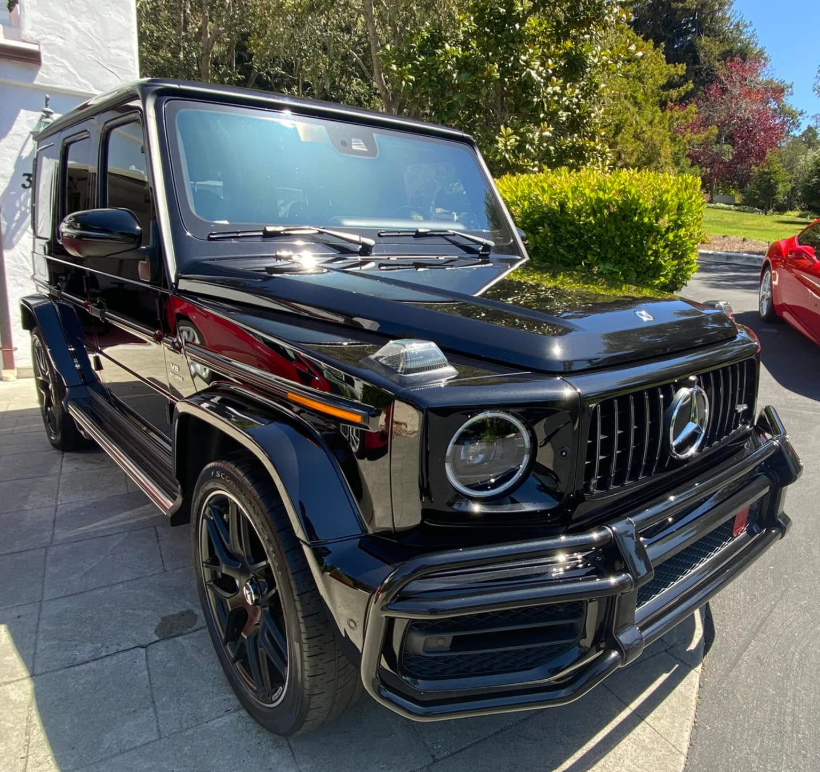
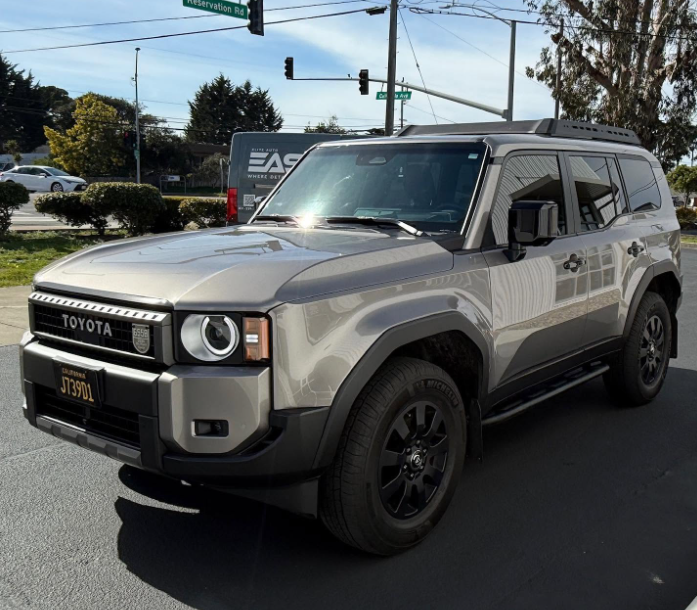
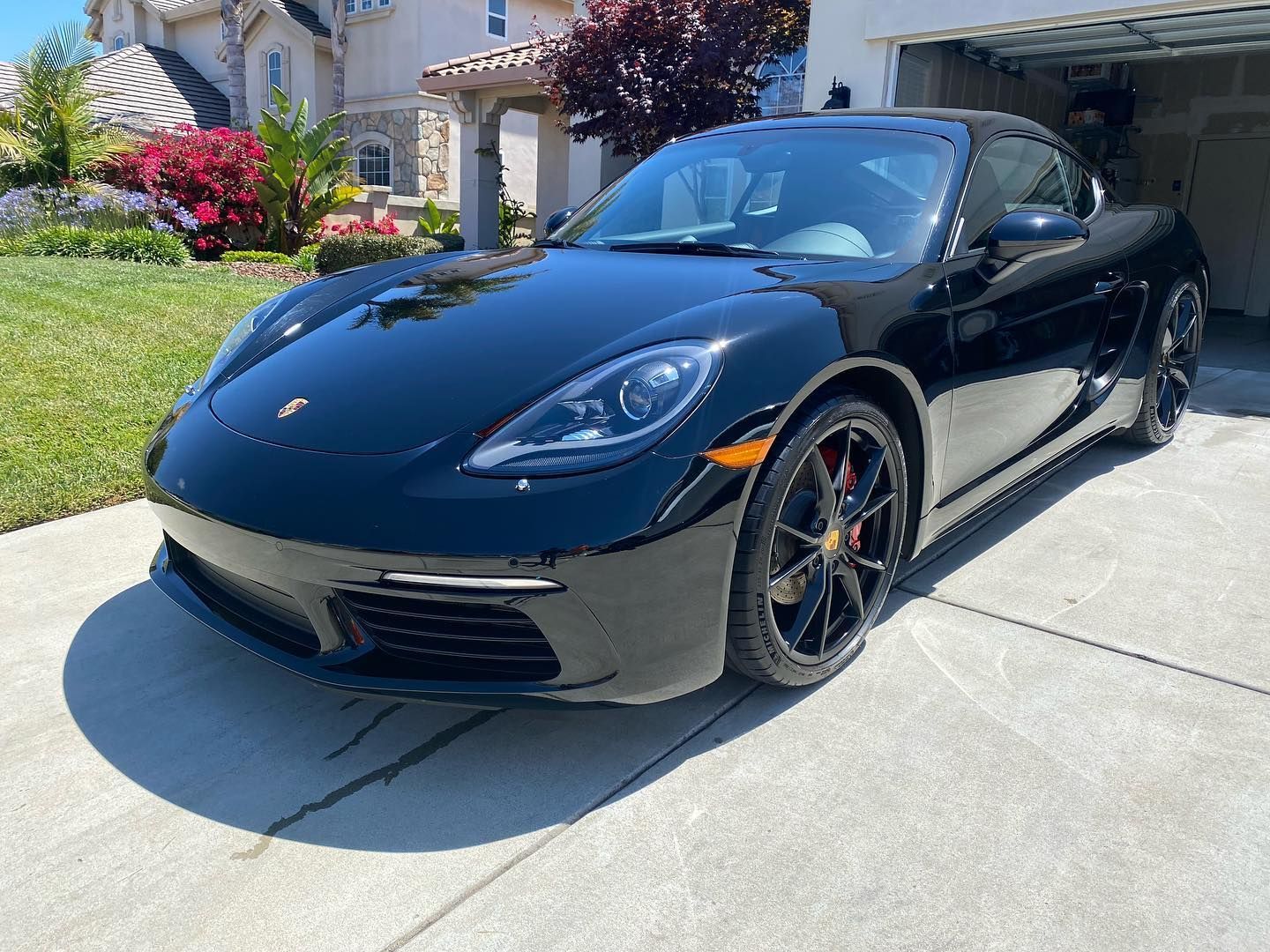
At Elite Auto Spa, we emphasize a holistic approach: selecting top tier films, applying them with expert care, and guiding clients through maintenance routines that maximize their investment.
Tips for Extending Film Life
Regular washing is the cornerstone of preserving your PPF's clarity and durability. Dirt and grime settle into the film's surface over time and can dull the finish if left unchecked. Gentle technique matters, since high pressure washes or abrasive brushes at automatic car washes can tear at film edges. Hand washing with a soft microfiber mitt and a pH neutral soap designed for PPF is ideal, since harsh shampoos for bare paint can degrade PPF layers over time.
Parking habits dramatically influence how long PPF lasts. Surface temperatures on dark hoods or roofs can climb well above 140°F in peak sun, accelerating discoloration in lower quality films. Parking in shade or a garage can reduce UV exposure by up to 70%.
Annual professional maintenance is worth budgeting for: expert detailers can remove stubborn contaminants like brake dust or tar without scratching the film, and maintenance visits offer a chance to catch early bubbling or micro cracks before they worsen.
Comparing Protection Film Brands
Not all paint protection films perform equally under California's relentless sun. When choosing PPF, weigh longevity, warranty, ease of installation, and special features. 3M balances durability with self healing properties and hydrophobic surfaces that repel water and grime. SunTek stands out for its high gloss finish and resistance to UV yellowing. Llumar appeals to drivers prioritizing UV protection, though its lifespan runs closer to seven years.
XPEL stands out for offering some of the longest protection along with excellent self healing and stain resistance, making it a favorite among professional installers in California. Premium films like XPEL and 3M also have better tackiness and stretch characteristics, helping avoid bubbles during application. At Elite Auto Spa, we recommend investing in reputable premium films installed by professionals who understand these nuances.
Practical Care Recommendations
Keeping PPF in peak condition is less about complex procedures and more about consistent habits. Regular washing with a soft sponge and pH neutral shampoo preserves clarity and flexibility, while harsh soaps cause drying or cracking. Avoid automatic car washes with abrasive brushes, which can leave tiny scratches or degrade the film over time. A ceramic coating over your PPF offers an extra defensive layer, bonding to the surface and repelling water and stains.
Essential care tips to maximize PPF longevity include:
- Hand wash every two weeks using pH balanced soap and soft materials.
- Use filtered, lukewarm water to avoid mineral deposits from hard water.
- Park in shaded or covered areas to reduce UV exposure that causes brittleness or yellowing.
- Inspect film biannually for small cracks, lifting edges, or trapped dirt.
- Avoid prolonged contact with fuel, tar removers, or solvents, which degrade adhesives quickly.
Protect Your Paint Protection Film Before California Sun Takes Its Toll
California’s intense UV exposure can slowly reduce the clarity, strength, and lifespan of your PPF. The right film and professional installation make all the difference in how long your protection actually lasts.
At Elite Auto Spa, we specialize in premium Paint Protection Film installation designed specifically for harsh sun, heat, and coastal conditions. Whether you drive daily in inland heat or along the Monterey coastline, our expert team ensures your vehicle gets long-lasting, precision-applied protection that holds up over time.
Book Your PPF Consultation Today
Don’t wait for yellowing, edge lifting, or fading to show up. Call
(831) 229-3121 or
request a quote online to protect your vehicle early and maximize the value of your investment.
FAQs
How often should paint protection film be replaced if it's regularly exposed to intense sunlight?
PPF should ideally be replaced every 5 to 7 years in California sun. Intense UV exposure causes gradual yellowing and loss of clarity, and accounts for about 40% of PPF wear in sunny climates.
Are there specific types or brands of paint protection film better suited for sunny climates like California?
Yes. Ceramic infused, UV resistant films like XPEL Ultimate Plus and 3M Scotchgard Pro offer up to 99% UV blockage, significantly reducing yellowing under intense sun.
Does the thickness or tint of paint protection film impact its longevity under California sun conditions?
Yes. Thicker films, around 8 mils versus thinner 6 mil variants, offer better UV resistance, lasting up to 7 to 10 years versus 4 to 6 years. Tinted PPF absorbs more UV rays, reducing degradation by about 20%.
How does prolonged exposure to California's UV rays affect the durability of paint protection film?
Prolonged UV exposure breaks down the polymers in PPF, causing yellowing and loss of flexibility. After about 3 to 5 years under intense sun, PPF may lose up to 30% of its protective qualities.
What maintenance practices can extend the lifespan of paint protection film in hot, sunny environments?
Regular gentle washing, avoiding abrasive materials, and promptly addressing chips or bubbles help. A UV resistant top coat applied every 6 to 12 months can extend PPF lifespan by up to 30%, stretching the average 5 to 7 year life closer to a decade.