How Ocean Salt Air Damages Car Paint and How to Prevent It?
Ocean salt air can contribute to paint deterioration and corrosion because airborne salt settles on vehicle surfaces and attracts moisture. When salt remains on paint, trim, exposed metal, panel seams, or the undercarriage, it can create conditions that accelerate oxidation, especially where chips or other damage expose bare metal. Regular washing, prompt removal of contaminants, proper paint protection, and routine inspections can help coastal drivers reduce that risk.
For drivers in Marina, Monterey, Pacific Grove, Carmel, and other communities around the Monterey Bay, salt exposure can simply be part of owning a vehicle near the coast. The goal is not to eliminate every trace of airborne salt. Instead, consistent maintenance helps prevent contamination from remaining on vulnerable surfaces for long periods.
How Does Ocean Salt Air Affect Car Paint?
Your vehicle's paint system includes several layers intended to protect the underlying body panels. On most modern vehicles, the clear coat forms the outermost painted layer and helps protect the color coat beneath it.
Salt itself does not simply eat through intact paint on contact. The greater concern is the combination of salt, moisture, existing surface damage, and prolonged exposure.
Airborne salt particles can settle on paint and collect around areas such as panel gaps, door edges, wheel wells, trim, and lower body sections. Because salt can attract and retain moisture, these deposits can contribute to an environment where corrosion develops more readily on exposed metal.
The risk becomes greater when the paint barrier has already been compromised by:
- Rock chips
- Scrapes
- Deeper scratches
- Exposed panel edges
- Previous collision damage
- Failing or damaged paint
A small chip that reaches metal is more vulnerable than an intact painted panel because moisture and contamination have a direct path to the substrate.

Why Coastal Vehicles Need More Consistent Exterior Care
Vehicles near the ocean experience environmental conditions that can differ from those farther inland.
Salt carried through marine air can settle on exterior surfaces even when a vehicle never drives directly onto a beach. Coastal humidity and morning moisture can also keep surfaces damp, giving deposited contaminants more opportunity to remain active.
Vehicles parked outside regularly may experience greater exposure simply because they spend more time in the environment.
That does not mean every car near the Monterey Bay will quickly develop corrosion. Paint condition, storage, maintenance, vehicle age, driving patterns, previous repairs, and the amount of salt exposure all influence the outcome.
Regular care matters because removing salt deposits interrupts the conditions that contribute to corrosion.
What Are the Signs of Salt-Related Vehicle Damage?
Salt exposure does not always create an obvious warning immediately, so periodically inspecting your vehicle can help identify trouble before it becomes more extensive.
Paint Chips With Visible Corrosion
Pay particular attention to chips that expose metal. Small orange or brown discoloration around an exposed chip can indicate corrosion beginning beneath or around the damaged area.
Bubbling or Lifting Paint
Paint that begins bubbling may indicate corrosion underneath the coating. This is different from ordinary surface contamination and should be evaluated rather than simply polished.
Contamination Around Seams and Edges
Salt, dirt, and moisture can collect around door jambs, panel seams, trunk openings, wheel arches, and other areas that receive less attention during routine washing.
Dull or Contaminated Surfaces
A rough or dirty-feeling finish does not automatically mean that salt has damaged the paint. It may simply indicate bonded contamination that needs proper cleaning or decontamination.
Professional detailing can help determine whether the issue is surface contamination, clear-coat deterioration, or more significant paint damage.
How Should You Wash a Car Exposed to Ocean Salt Air?
One of the most useful steps coastal drivers can take is to remove salt and other contamination before it remains on the vehicle for extended periods.
Start by thoroughly rinsing loose dirt, sand, and residue away from the paint. When using pressurized water, maintain a safe distance and controlled pressure rather than directing concentrated pressure closely at seals, damaged paint, or vulnerable edges.
Follow the rinse with a proper hand wash using automotive-safe shampoo and clean wash media.
A two-bucket washing method can help reduce the amount of dirt transferred back onto the vehicle. One bucket contains the wash solution, while the second is used to rinse the wash mitt before it returns to the paint.
Pay extra attention to:
- Lower body panels
- Wheel wells
- Door jambs
- Rocker panels
- Panel gaps
- Wheels
- Areas around badges and trim
After washing, dry the vehicle with clean, paint-safe microfiber towels or another appropriate drying method. Allowing mineral-rich water to repeatedly dry on the surface can contribute to water spotting.
Elite Auto Spa's detailing services use hand-washing and paint decontamination processes as part of exterior vehicle care.
How Often Should a Coastal Vehicle Be Washed?
There is no single schedule that applies to every coastal vehicle.
A car parked outside near the water every day may need more frequent cleaning than a vehicle that spends most of its time in a garage. Recent beach trips, visible salt residue, heavy marine air, rain, dust, and ordinary road grime can also influence how quickly the exterior needs attention.
Instead of relying only on a calendar, inspect the vehicle regularly.
If salt film, grime, bird droppings, bug residue, or other contamination is visible, cleaning it sooner is generally preferable to allowing it to remain on the surface.
Consistency matters more than following an arbitrary weekly or biweekly rule.
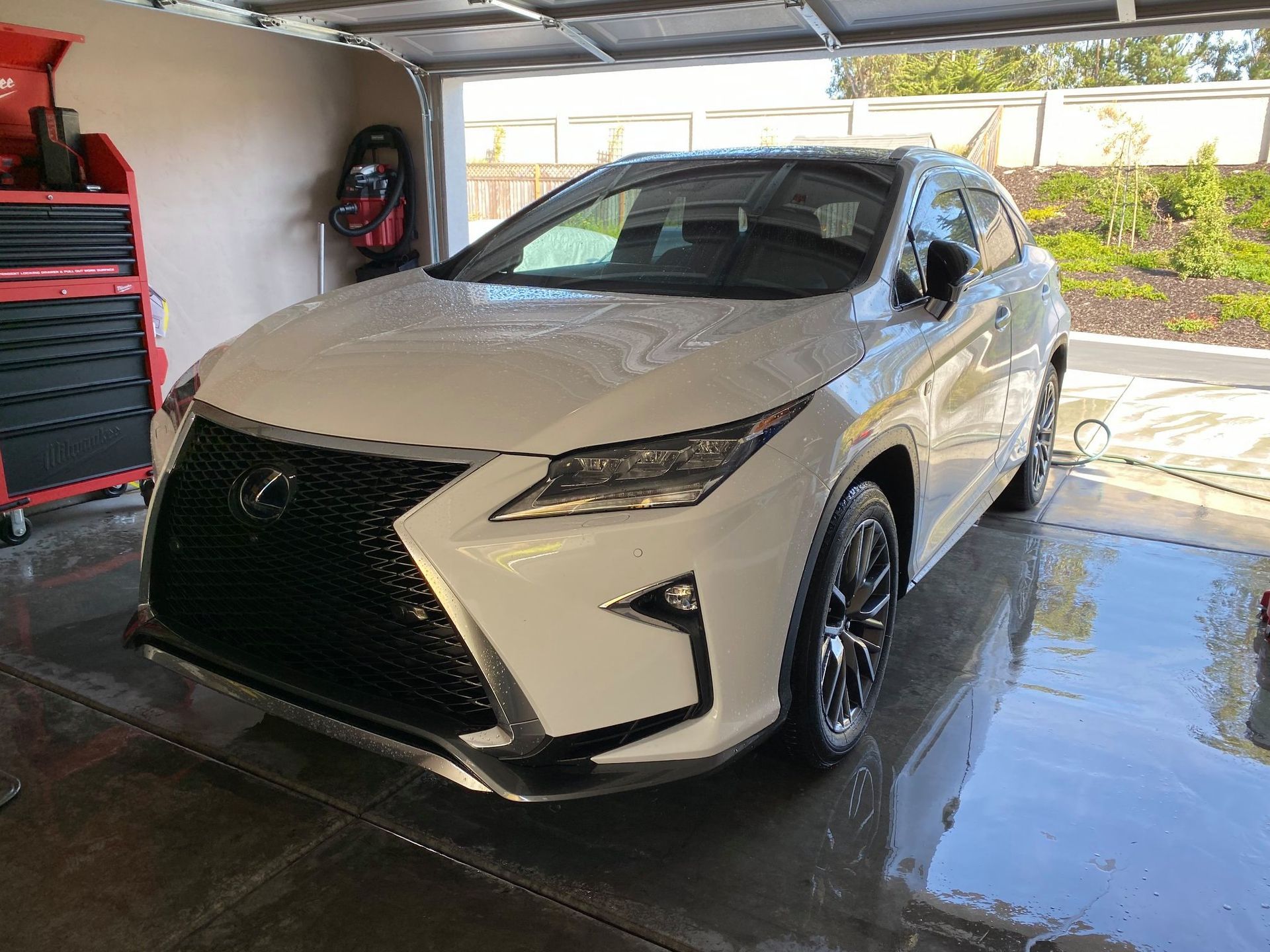

Can Ceramic Coating Help Protect a Car Near the Ocean?
Ceramic coating can be particularly useful for coastal vehicle owners because it adds a protective layer over properly prepared exterior surfaces.
Elite Auto Spa offers professional ceramic coating services in Marina using Ceramic Pro coating systems. The coatings are designed to create hydrophobic surface characteristics, improve chemical resistance, and make contaminants such as water, dirt, and road grime easier to remove during routine cleaning.
That easier-cleaning benefit matters in coastal environments.
Salt protection still depends on maintenance. A ceramic coating does not make a vehicle immune to corrosion, eliminate the need for washing, or repair exposed metal. Salt should still be removed from coated surfaces rather than being allowed to accumulate.
The advantage is that a properly maintained coating can make ongoing exterior care more manageable while providing an additional layer between environmental contamination and the underlying finish.
Is Paint Protection Film Helpful in Coastal Areas?
Paint protection film can address a different type of risk.
While ceramic coating primarily improves surface protection and maintenance characteristics, PPF is a physical barrier designed to help protect painted panels from road debris, rock impacts, and other sources of surface damage.
Preventing chips can be particularly valuable because corrosion becomes more likely when paint damage exposes metal.
For coastal drivers who frequently travel highways or want greater protection on high-impact areas, PPF and ceramic coating can serve complementary purposes.
Elite Auto Spa offers paint protection film and ceramic coating services in Marina, including combined vehicle-protection packages.
Does Paint Correction Fix Salt Damage?
Paint correction can improve certain surface defects, but it is important to distinguish between paint defects and corrosion.
Professional paint correction can address correctable clear-coat imperfections such as oxidation, haze, and some light surface defects when sufficient healthy clear coat remains.
It cannot restore metal that has already rusted beneath failed paint.
If corrosion is present beneath bubbling or missing paint, the affected area may require body or paint repair before detailing or protective products are considered.
This distinction helps prevent unrealistic expectations about what polishing can accomplish.
Does Parking in a Garage Help?
Garage parking can reduce direct exposure to marine air, moisture, sun, bird droppings, and airborne contamination.
However, a garage does not completely eliminate salt exposure. A vehicle can carry contamination into the garage after being driven, and coastal air can still enter when doors are open.
Garage storage works best as one part of a broader maintenance routine rather than as a substitute for cleaning.
If outdoor storage is necessary, keeping the vehicle clean and maintaining its protective surfaces generally matters more than relying on an inappropriate cover.
A car cover placed over a dirty vehicle can trap contamination and may create friction against the paint when wind moves the fabric. If a cover is used, it should be clean, properly fitted, breathable, and suitable for the vehicle.
How Can Monterey Bay Drivers Reduce Salt Damage?
A practical coastal vehicle-care routine does not need to be complicated.
Wash the vehicle when contamination accumulates, inspect paint chips before they worsen, keep hard-to-reach areas clean, and maintain whatever protective system is already on the vehicle.
Owners with ceramic coatings or PPF should follow the maintenance recommendations associated with those products.
It is also worth inspecting the vehicle periodically for newly exposed paint damage. Rock chips that might be primarily cosmetic in another environment can become more important when moisture and salt are regularly present.
This proactive approach aligns particularly well with vehicle owners who plan to keep their cars long term or who want to preserve the appearance of luxury, enthusiast, and daily-driven vehicles.
Protect Your Vehicle From Coastal Exposure With Elite Auto Spa
Living near the California coast should not mean constantly worrying about what marine air is doing to your vehicle.
A combination of consistent washing, contamination removal, prompt attention to paint damage, and appropriate surface protection can help you manage coastal exposure before it becomes a larger issue.
Elite Auto Spa provides professional vehicle detailing and protection services in Marina, California, for drivers throughout Monterey, Carmel, Pebble Beach, Pacific Grove, Seaside, and surrounding communities. Services include professional ceramic coating, paint protection film, paint correction, and detailing designed to help maintain vehicle appearance and exterior surfaces.
If you want to improve your vehicle's protection against everyday coastal exposure, call us at (831) 229-3121 or request a quote from Elite Auto Spa and discuss which protection and maintenance options fit your vehicle and driving habits.
FAQs About Ocean Salt Air and Car Paint
Does ocean air really damage car paint?
Ocean air can contribute to paint and metal deterioration when salt deposits combine with moisture and remain on vehicle surfaces. The risk is greater where paint chips, scratches, or other damage expose metal.
How quickly can salt air damage a vehicle?
There is no reliable universal timeline. The rate of deterioration depends on exposure, vehicle condition, storage, maintenance, existing paint damage, humidity, and other environmental factors.
Should I wash my car after going to the beach?
If your vehicle has been exposed to noticeable salt spray, sand, or heavy marine contamination, washing or rinsing it soon afterward can help remove those deposits before they remain on exterior surfaces.
Does ceramic coating stop salt corrosion?
No. Ceramic coating does not make metal corrosion-proof. It can add chemical resistance and hydrophobic properties to protected surfaces while making contamination easier to remove, but proper maintenance remains necessary.
Is wax enough for a car near the ocean?
Wax or paint sealant can provide temporary surface protection, but longevity and chemical resistance vary considerably by product. Drivers seeking longer-term protection may consider professional ceramic coating.
Can paint protection film prevent rust?
PPF does not directly stop rust once corrosion has started. However, it can help reduce paint damage from impacts and road debris. Keeping the paint barrier intact can reduce opportunities for exposed metal to develop corrosion.
What areas should coastal vehicle owners inspect most often?
Check rock chips, panel edges, wheel arches, rocker panels, door jambs, seams, lower body panels, and other places where dirt and moisture tend to collect.
Can Elite Auto Spa protect vehicles used as daily drivers?
Yes. Elite Auto Spa's current ceramic-coating information specifically notes that its coatings are suitable for daily-driven vehicles and can help make contamination, rainwater, dirt, and road grime easier to manage.