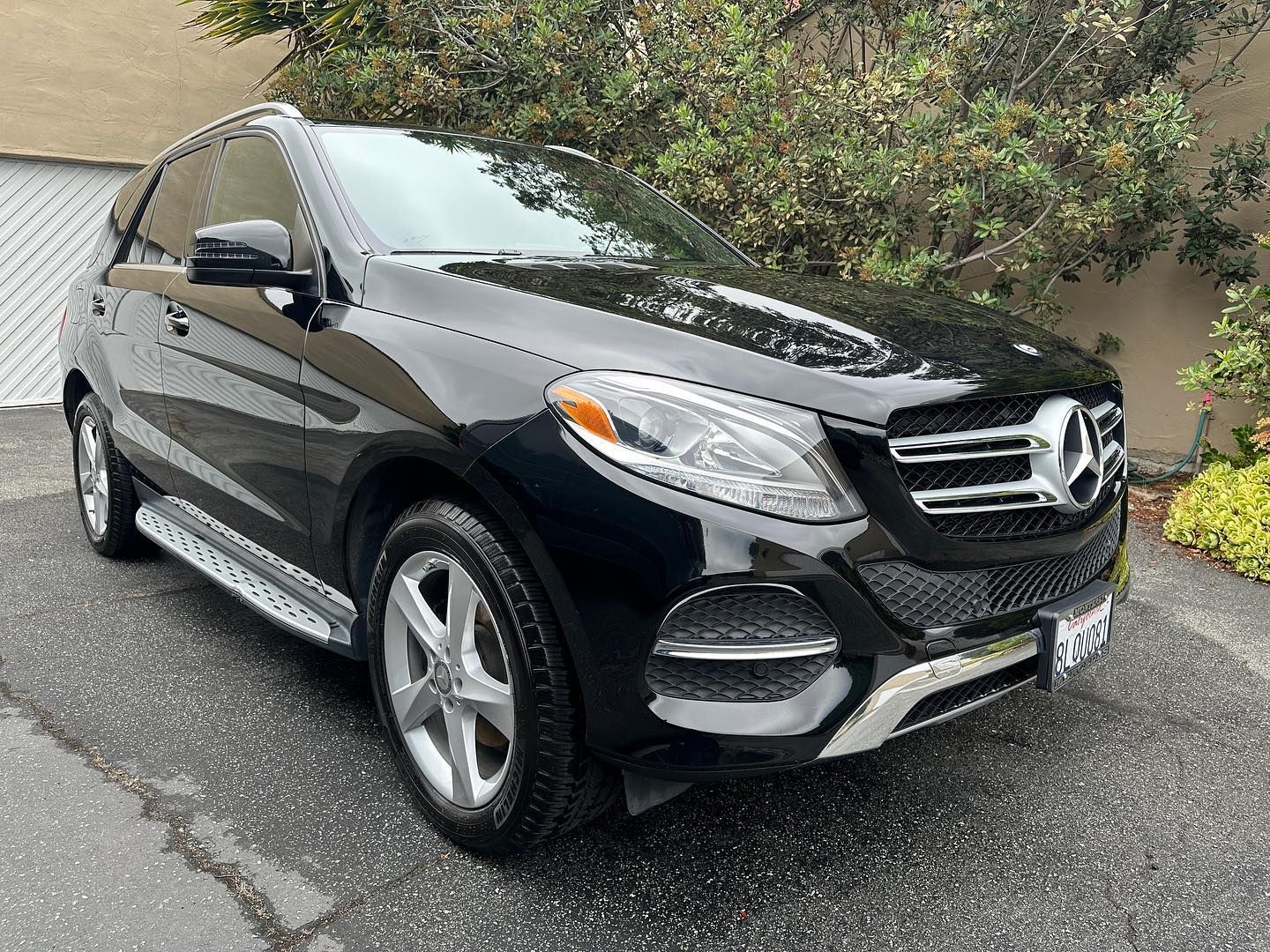
Yes. Quality window tint blocks the ultraviolet rays that fade upholstery, dry out leather, and crack dashboards over time, and it cuts the infrared heat that builds up inside a closed vehicle. At Elite Auto Spa in Marina, CA, we install LLumar® window films that block over 99% of UV rays while keeping your interior cooler, more comfortable, and closer to the condition it left the showroom in.
Most drivers think of tint as a styling choice. It is that, but the more useful way to think about it is as a barrier between your interior and the two forces that age it fastest: ultraviolet light and heat. Below is how that works, what it actually protects, what California law allows, and what to look for when you have film installed.
How Window Tint Protects an Interior
Ultraviolet Protection
UV radiation is the primary cause of interior aging. It breaks down the dyes in fabric, the plasticizers in vinyl and dashboard plastics, and the topcoat on leather. Over several years the result is faded seats, a chalky or brittle dashboard, and trim that has visibly lost its color. LLumar automotive films block over 99% of UV rays, which slows that process substantially. The same barrier reduces your own UV exposure during every drive, which matters if you commute daily or spend long stretches behind the wheel.
Heat Rejection
Infrared energy is what turns a closed car into an oven. Our LLumar IRX film adds up to 89% infrared heat rejection. Our Ultimate IR film, a 2 mil construction, blocks up to 95% of infrared energy while remaining nearly transparent at 70% or 80% VLT. Less heat inside means less thermal stress on plastics, adhesives, and electronics, and noticeably less work for your air conditioning system when you first get in.
Glare Reduction
LLumar tint can reduce glare by up to 94% depending on the shade you select. That matters on the coastal highway at sunset and on night drives where oncoming headlights are a constant strain. Lower glare means less eye fatigue and a clearer view of the road.
Privacy
Darker shades on the rear glass make it harder for anyone to see what is sitting on your back seat. That is a practical deterrent when you park at the beach, at a trailhead, or in a downtown lot, and it is one of the most common reasons our customers ask about tint in the first place.
What This Means Specifically in Marina
Marina does not get desert heat. What it gets is consistent daylight exposure, a marine layer that burns off into strong midday sun, and salt air that is hard on every surface inside and out. UV passes through cloud cover and coastal haze, so an overcast morning offers far less protection than it appears to. A vehicle parked outside in Marina, Seaside, Salinas, or anywhere on the Monterey Peninsula accumulates UV damage steadily, even on days that never feel hot.
That is the honest case for tinting here. It is less about surviving extreme temperatures and more about slowing a gradual, cumulative form of wear that most owners do not notice until the dashboard has already faded and the leather has already stiffened.
The Damage Tint Helps Prevent
- Fading: UV blocking keeps fabric dyes and plastic pigments from bleaching out
- Cracking: lower cabin temperatures reduce thermal stress on dashboards and console panels
- Drying: reduced UV and heat exposure helps leather retain its oils and stay supple
- Warping: steadier interior temperatures mean fewer expansion and contraction cycles
- Resale value: an interior that still presents close to new is worth real money when you sell or trade
Interior repair is expensive. Reupholstering seats or replacing a cracked dashboard costs considerably more than tinting the vehicle did in the first place. That is why we tend to frame window film as maintenance rather than as an upgrade.
Choosing Quality Window Tint
Not all film performs the same, and the gap between constructions is real. LLumar offers three automotive options:
- Ceramic: the most heat rejection, using a nano ceramic layer that blocks infrared without interfering with phone, GPS, or key fob signals
- Metallized: moderate heat rejection at a middle price point
- Dyed: the value option, providing UV protection and privacy with limited heat rejection
Ceramic film is what we recommend for most drivers, and particularly for SUVs and trucks with large glass areas. LLumar backs its automotive films with a manufacturer's lifetime limited warranty covering color retention and durability. Certain restrictions apply, and we are happy to walk you through the specific terms before you commit.
At Elite Auto Spa we carry two performance tiers, LLumar IRX and Ultimate IR. Coverage options include a windshield strip, a front two window match, a full windshield, and all sides plus the rear window. Shades run from 70% down to 5%, and you can preview how each looks on a vehicle using the tint simulator on our LLumar page before you book.
California Tint Law and What Is Legal Here
This is where drivers most often get caught out, and it is worth understanding before you choose a shade. Under California Vehicle Code 26708:
- Front side windows must allow at least 70% VLT, measured as glass and film combined. Because factory glass already absorbs some light, this generally means a nearly clear film on the front doors.
- Rear side windows and the rear window may be any darkness.
- The windshield permits only a nonreflective strip across the top four inches, although a nearly clear full windshield film rated at 70% VLT or higher also qualifies.
- Red, amber, and blue tints are prohibited, as are mirrored and metallic finishes on side windows.
This is precisely why our Ultimate IR films matter. They deliver up to 95% infrared rejection at 70% or 80% VLT, which means you can get meaningful heat control on the front glass and windshield while staying fully compliant. Heat rejection and darkness are not the same thing, and the better film gives you the first without forcing the second.
Installation and Aftercare
The film is only half of the outcome. A clean, controlled installation determines whether you end up with a flawless finish or with bubbles and lifted edges within months. Our team works in a controlled indoor environment, cuts to your vehicle's exact glass profile, and walks you through shade and performance options before any film touches the car.
After installation, give the film time to cure. Leave your windows up for several days while the adhesive fully bonds. Wait roughly 30 days before cleaning the interior glass, then use a soft cloth and a mild cleaner that contains no ammonia, since ammonia degrades film over time. A typical automotive tint appointment takes a few hours depending on coverage and vehicle.
Ready to Protect Your Interior?
Elite Auto Spa has been protecting vehicles in Marina and the greater Monterey area since 2014. Alongside LLumar window film, we install ceramic coating, paint protection film, matte and color change PPF, and paint correction, and we handle residential and commercial window tinting as well. If you want the full package, our Presidential Package brings those services together.
Schedule your online consultation or call (831) 229-3121. You will find us at 407 Reservation Road, Suite #2, Marina, CA 93933, open Tuesday through Saturday from 9:00 AM to 5:30 PM, with Sunday and Monday by appointment.
Frequently Asked Questions
Does window tint really stop interior fading?
It slows it significantly. UV is the main driver of fading, and LLumar film blocks over 99% of it. Tint will not freeze your interior in time, but a tinted vehicle parked in the same conditions as an untinted one will hold its color and material condition noticeably longer.
How dark can I legally tint my car in California?
Rear side windows and the rear window can be any darkness. Front side windows must allow at least 70% visible light through once the film is applied, which limits you to a very light film up front. We measure and advise so you leave compliant.
Is ceramic tint worth the extra cost over dyed film?
For most drivers in this area, yes. Ceramic rejects far more infrared heat, holds its color rather than turning purple over time, and does not interfere with electronic signals. Dyed film is a reasonable budget option if UV protection and privacy are your only goals.
Can I get real heat rejection without dark windows?
Yes, and this is one of the most useful things to know. Our Ultimate IR film blocks up to 95% of infrared energy at 70% or 80% VLT, meaning it looks nearly clear. Heat rejection comes from the film's construction, not from how dark it looks.
How long does window tint installation take?
A few hours for most vehicles, depending on how many windows you are having covered and the complexity of the glass. A windshield strip is quick. A full vehicle with all sides, rear window, and windshield takes longer. We give you a realistic time estimate when you book.
When can I roll my windows down and clean them?
Leave the windows up for several days while the adhesive cures. Wait about 30 days before cleaning the interior glass, then use a soft cloth and a cleaner with no ammonia in it. Skip abrasive sponges and scrapers entirely.
Do you tint anything besides cars?
Yes. We install residential and commercial window film for homes and businesses throughout the Marina and Monterey area, including solar film for heat and UV control and security film for added protection.
Is the tint covered by a warranty?
LLumar backs its automotive films with a manufacturer's lifetime limited warranty covering color retention and durability. Certain restrictions apply, so ask us for the details that apply to the specific film and coverage you choose.