Clear Bra vs. PPF: Are They the Same? A Guide to Paint Protection
You have probably heard the terms Clear Bra and Paint Protection Film used almost interchangeably, but are they the same thing? If you are wondering how these clear layers protect your car from chips, scratches, and fading, and which is right for you, here is a breakdown of what the terms mean and why the difference matters.
Yes, Clear Bra is essentially a common term for Paint Protection Film (PPF). Both refer to a transparent, very thin polymer film applied to a vehicle that protects the paint from chips, scratches, and UV damage while keeping the original appearance.
What Is a Clear Bra?
A Clear Bra is a type of paint protection film: a very thin, transparent polyurethane layer applied to specific areas of a vehicle. Its job is to guard the paint from everyday hazards like small rock chips, road debris, bug splatter, and minor abrasions. Unlike the bulky leather car bras of decades past, which often trapped dirt and scratched the paint, a modern Clear Bra is both protective and discreet, becoming practically invisible once applied.
The film is usually 6 to 8 mils thick, thin enough to stay unobtrusive but tough enough to absorb impacts that would otherwise chip your paint. Many films also self heal, meaning tiny scratches and swirl marks disappear when the surface is warmed by the sun or warm water. A Clear Bra typically covers the zones most prone to damage, such as the front bumper, hood, mirrors, fenders, and headlights, though full body coverage is available. Because the fit must follow every contour, professional installation matters. At Elite Auto Spa, we customize the fit to your car's exact lines for a durable, invisible finish.
Understanding Paint Protection Film (PPF)
Paint Protection Film, or PPF, is a transparent, very thin thermoplastic urethane film that shields your paint from the dirt, rocks, bugs, and debris that hit your car as you drive. It is engineered to be nearly invisible, with a glossy finish that preserves your paint's color and depth, and it is far stronger than a clear coat, so it resists yellowing and peeling for years.
Its most notable feature is self healing: small scratches and swirl marks fade when the film is warmed by sunlight or engine heat, thanks to a topcoat that softens and reforms. PPF also blocks much of the sun's UV, which helps prevent fading and clear coat breakdown. At roughly 6 to 8 mils, it is far thicker than the 1 to 2 mil clear coats on most cars, so it absorbs and disperses impact energy instead of passing it to your paint. Many films add a hydrophobic top layer, so water and grime bead and roll off, keeping the car cleaner and easier to wash. As with a Clear Bra, professional installation is essential for a seamless, bubble free result.
Materials and Installation Process
At their core, both Clear Bra and PPF are made from thermoplastic polyurethane (TPU), prized for being crystal clear yet resilient, flexible enough to hug curves and tough enough to resist scratches and UV. Some higher end films add layers that boost durability without changing how your paint looks.
Getting the film onto the car correctly is where the craftsmanship shows. Surface preparation is critical: a deep cleaning removes every speck of dust, oil, or residue, often using a clay bar to lift embedded contaminants. At Elite Auto Spa, we never rush this stage, because a single trapped particle causes bubbles that compromise protection. Installers then use precut patterns or custom cutting, spray the adhesive with a slip solution to position the film precisely, and work out air and moisture with a squeegee, using heat to help it conform around contours like hood reliefs and door edges. The film cures in about 24 hours, during which gentle washing keeps the surface clear. The whole process takes several focused hours, and that patience is what keeps the film from peeling or showing flaws later.
Function and Performance Comparison
Both shield your paint from rock chips, scratches, and environmental wear, but the real difference is in long term performance. Clear Bra originally described a simple protective layer for the front of the car, while modern PPF has evolved with more advanced technology.
The clearest example is self healing. Premium films repair minor scratches and swirl marks with heat or sunlight, while older Clear Bra films offer limited healing and show wear more visibly. Modern PPF is also built with stronger polymers that resist yellowing, cracking, and staining, even under road salt or the intense sun common along the Central California coast. It tends to add a glossier finish that deepens your paint's color, and its hydrophobic coating repels dirt and water, so washing is quicker and the buildup that dulls paint is reduced.
Pros and Cons of Each Option
Clear Bra has long been favored for its lower cost. It offers a straightforward protective layer that is easy to replace and widely available, appealing to owners who want a simple, affordable solution. The tradeoff is that older Clear Bra films heal less readily, so scratches accumulate, and many lower grade films yellow after extended sun exposure, especially in a sunny area like the Monterey Bay region.
Paint Protection Film is engineered for lasting performance. Its layers absorb impacts from gravel and road debris, its self healing keeps the surface looking pristine, and its strong UV resistance helps prevent oxidation and fading. The main drawback is a higher upfront cost, since premium film needs professional application with precise templates and careful edge wrapping. DIY attempts often lead to bubbles or trapped dirt, and while self healing handles minor marks, deeper damage still calls for repair or replacement. Removal is also best left to professionals to protect the paint underneath.
| Aspect | Clear Bra | Paint Protection Film (PPF) |
|---|---|---|
| Cost | Lower initial cost | Higher upfront investment |
| Durability | Moderate protection | Superior impact absorption |
| Self healing | Limited | Advanced |
| UV resistance | May yellow or fade | Strong UV blocking |
| Installation | Easier; may allow DIY | Professional recommended |
| Replacement | Easy and low cost | More involved |
Key Differences in Protection
The core difference between Clear Bra and PPF is how resilient and enduring the protection is. A Clear Bra traditionally shields specific high impact zones like the front bumper and hood, solid defense against rock chips and light scratches, but focused mostly on the front end.
PPF, installed by trained professionals like the team at Elite Auto Spa, goes further. Quality film heals minor scratches and swirl marks with warmth, giving your paint an active way to keep its finish, and it resists yellowing and staining better in the intense sun and coastal salt air along the Monterey Bay coast. It is also adaptable: where a Clear Bra usually covers just the front, PPF can protect doors, panels, mirrors, and even the roof, up to a full body wrap, which matters most if you treat your car as a long term investment or own a collector grade vehicle.
Choosing the Best Paint Protection for Your Vehicle
Choosing between a Clear Bra and full PPF coverage starts with the protection your vehicle needs and how you want to maintain its look. Clear Bra is often marketed at a lower price but usually covers only small areas like the front bumper or hood, while PPF extends to larger sections or the entire body. Because modern PPF adds self healing and UV resistance, that upfront cost can translate into years of saved repair costs.
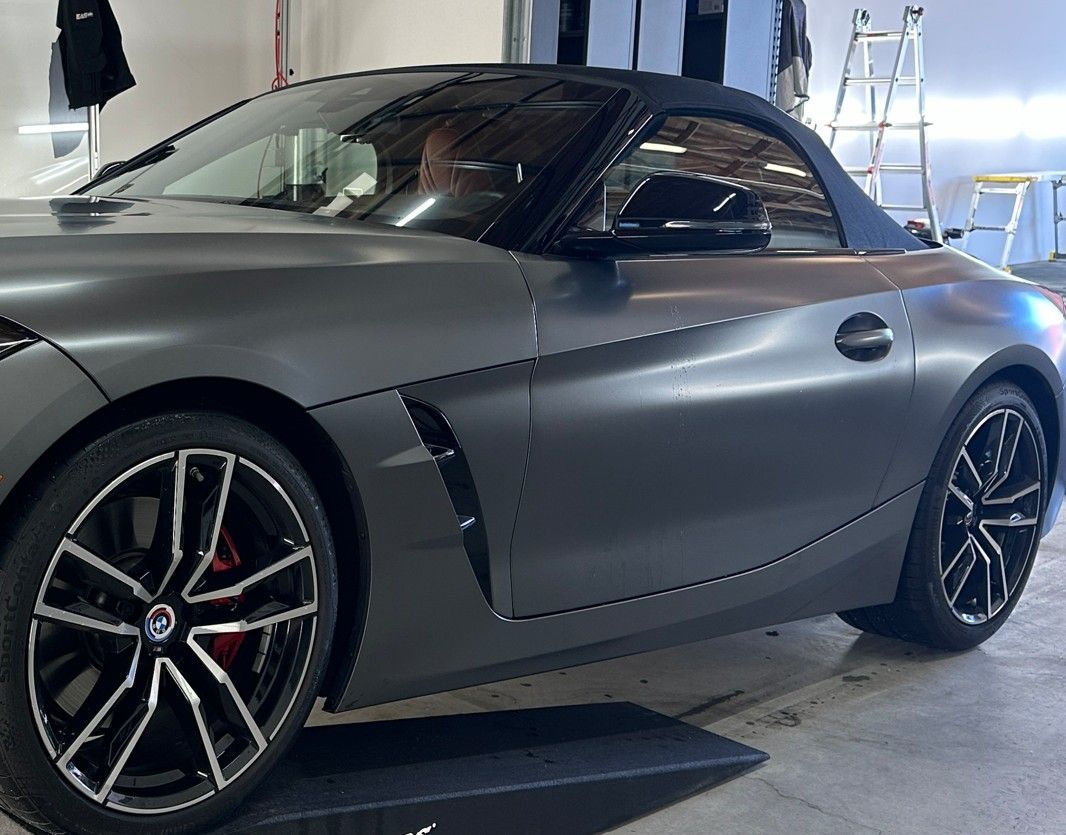
Your driving matters too. If you regularly take Highway 1 and other coastal roads with loose gravel, heavier duty PPF that absorbs bigger impacts is a smart move, and luxury or high performance cars benefit most from the added durability. Appearance also plays a role: high gloss film deepens shine, while a matte option guards the paint with a modern look. Often the best results come from combining film on the impact zones with ceramic coating across other surfaces, for defense tailored to how and where you drive.
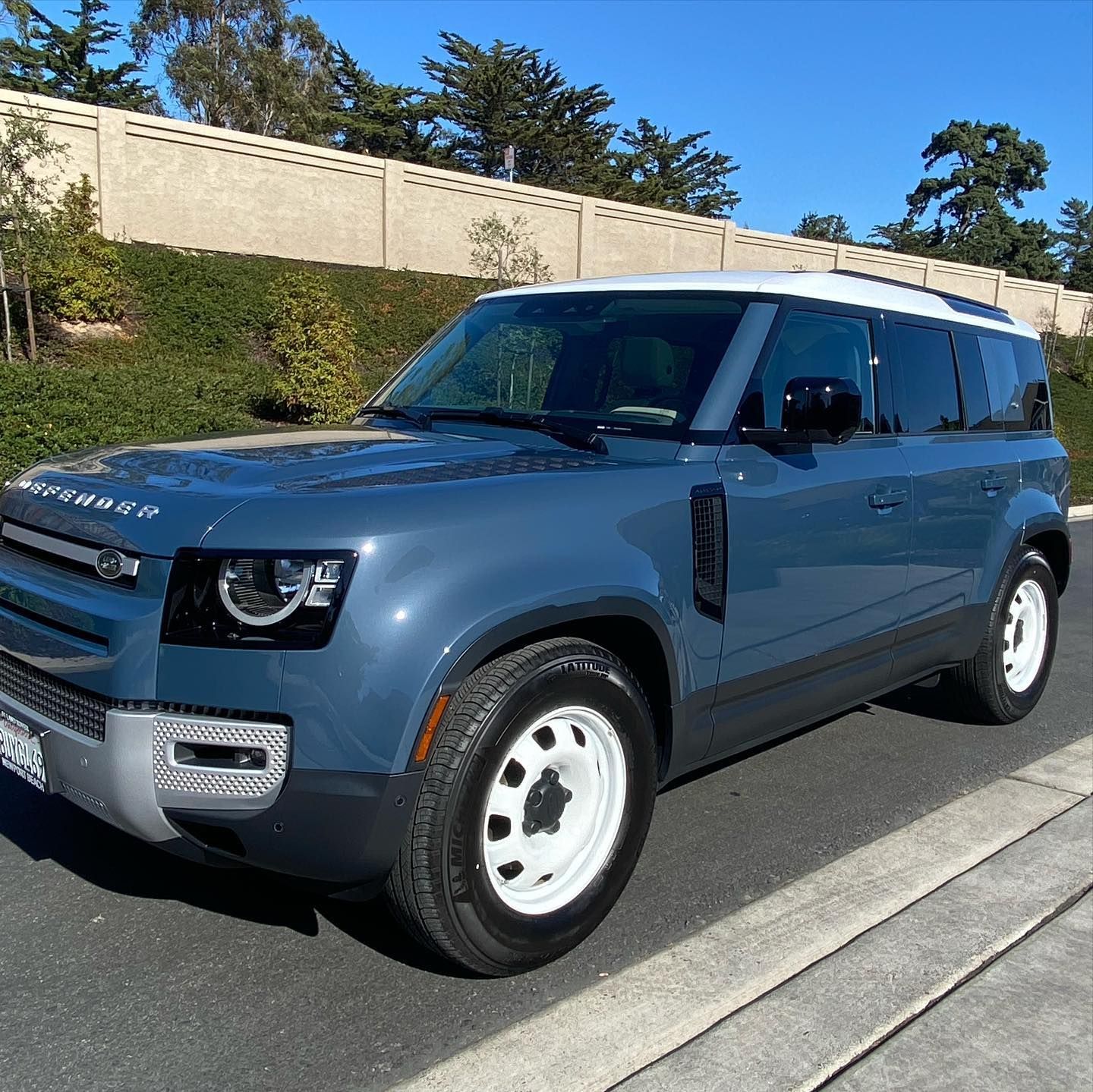
Protect Your Vehicle With Professional Paint Protection Film
Every drive exposes your vehicle to rock chips, road debris, bug splatter, UV rays, and everyday wear that can permanently damage your paint. Whether you're considering a Clear Bra for high-impact areas or full Paint Protection Film coverage, Elite Auto Spa offers precision installation using premium self-healing films designed for long-lasting protection.
Our experienced installers customize every application for a seamless, nearly invisible finish that preserves your vehicle's appearance and resale value for years to come.
Ready to protect your investment? Contact Elite Auto Spa today or call (831) 229-3121 to schedule your free consultation online.
FAQs
Can Clear Bra or PPF be removed without damaging the paint?
Yes. When trained professionals use proper heat and adhesive removal techniques, the film comes off without harming the clear coat, making it a reversible layer rather than a permanent commitment.
What are the cost differences between Clear Bra and PPF?
Because Clear Bra is a type of PPF, cost depends mainly on brand and quality rather than the name. Premium, self healing films with longer warranties cost more than basic options. For an accurate quote, reach out to our team.
Which provides better protection, Clear Bra or PPF?
Modern PPF usually offers stronger protection, since it is a high grade, self healing urethane film that guards against chips, scratches, and UV damage. Basic versions marketed as Clear Bra may lack those features, so a quality film with professional installation makes the difference.
What is the difference between Clear Bra and Paint Protection Film?
They are essentially the same product: transparent films applied to your paint to guard against chips, scratches, and UV damage. Clear Bra is a popular everyday term, while PPF is the broader industry term. The difference is naming, not function.
How do the installation processes compare?
They are essentially the same, since Clear Bra is a type of PPF. Both involve careful cleaning, precise cutting, and a wet application that prevents bubbles and ensures adhesion. A full front end job typically takes several hours.
Is Clear Bra the same as modern Paint Protection Film?
Yes. Today, "Clear Bra" is a commonly used name for Paint Protection Film (PPF). Both refer to a transparent polyurethane film designed to protect your vehicle's paint from rock chips, scratches, UV rays, and other environmental damage.
How long does a Clear Bra typically last?
A professionally installed Clear Bra made from high-quality Paint Protection Film can last 7 to 10 years with proper maintenance. Longevity depends on the film's quality, driving conditions, and how well the vehicle is cared for.
Can I apply ceramic coating over a Clear Bra?
Yes. Ceramic coating can be applied over a Clear Bra to improve water repellency, make cleaning easier, and provide additional protection against UV rays and environmental contaminants.
Does a Clear Bra change the appearance of my vehicle?
No. Premium Clear Bra products are designed to be virtually invisible while preserving your vehicle's original paint color and finish. Gloss and matte options are available depending on the look you prefer.
Is a Clear Bra only installed on the front of the vehicle?
Not necessarily. While a Clear Bra traditionally refers to protection for high-impact areas like the hood, bumper, and fenders, modern Paint Protection Film can also be installed on doors, mirrors, rocker panels, or as a full-body wrap.
Is a Clear Bra worth it for daily drivers?
Yes. A Clear Bra helps protect daily-driven vehicles from rock chips, bug splatter, road debris, and minor abrasions. It can also help maintain your vehicle's appearance and resale value over time.