How Window Tint Reduces AC Usage and Improves Fuel Efficiency in Your Car
Driving in summer heat often feels like stepping into a furnace on wheels, and few things drain fuel faster than running the air conditioner at full power to compensate. Window tinting offers a practical solution: it blocks heat before it reaches the cabin, keeping your ride more comfortable while easing the load on your engine. This article explains how a well chosen tint reduces AC usage, helps you save fuel, protects your vehicle's systems, and improves everyday driving comfort.
Window tinting blocks a significant portion of the sun's infrared rays that heat your vehicle's interior, lowering cabin temperatures and reducing the workload on your air conditioning system. Lower AC usage leads to better fuel economy, reduced emissions, and a longer lifespan for AC components, making window tinting a smart investment in comfort and efficiency.
The Role of Window Tinting in Automotive Efficiency
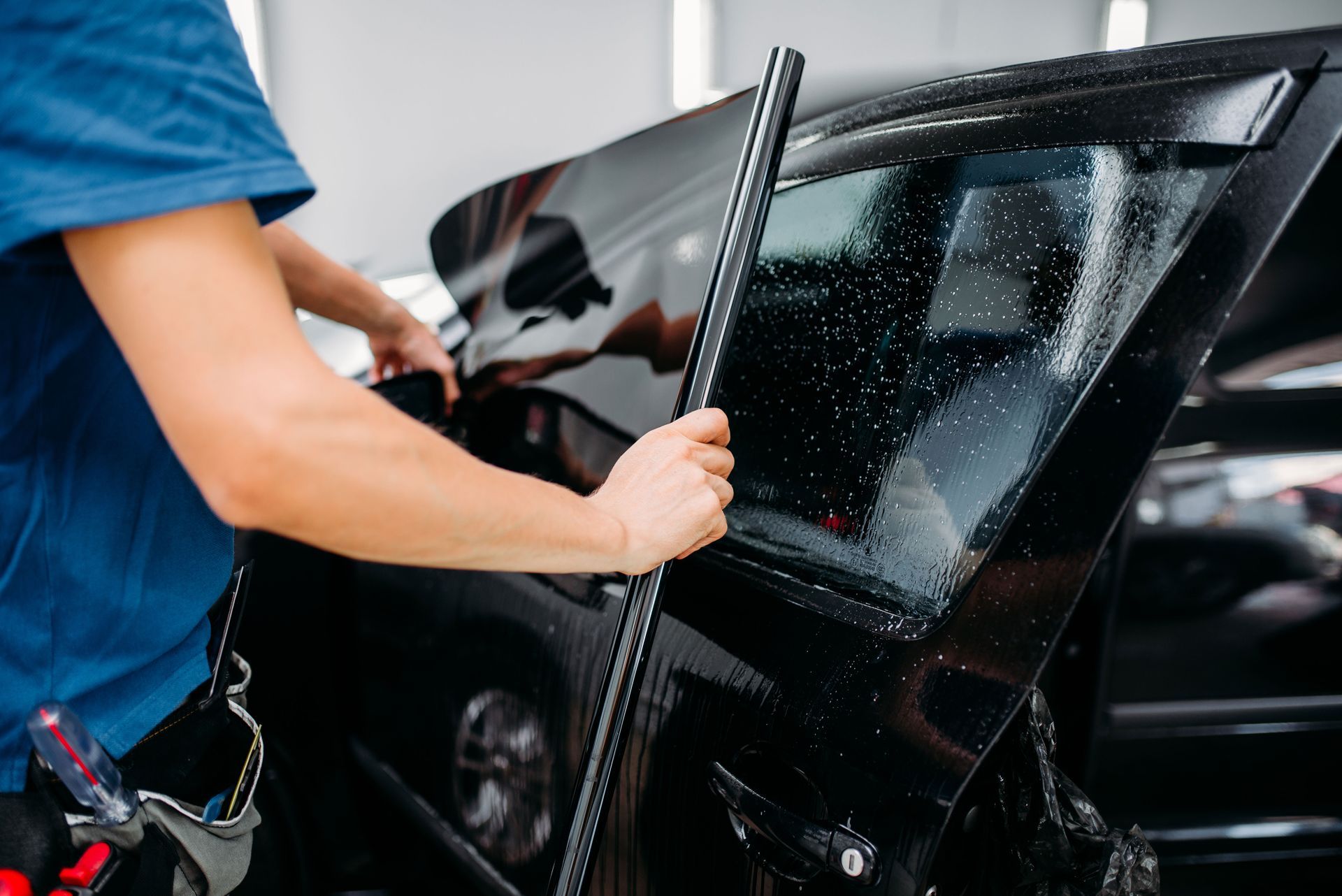
Sunlight carries more than visible brightness; it also delivers intense infrared heat that can turn a parked car into an oven. Applying a specialized film to the side and rear glass creates a barrier that reflects and absorbs much of this solar energy, keeping the cabin cooler without forcing the air conditioner to run at full power.
The window tint film works by blocking infrared (IR) radiation, the primary cause of heat buildup inside a vehicle. Premium ceramic tints can reject up to 70% of IR rays while still allowing enough visible light through for safe driving. Interior temperatures can drop by more than 10°F, and the AC system can run at a gentler pace, reducing fuel burned by the compressor, one of the largest single drains on engine output.
Without a heat barrier, a car's interior can exceed 140°F on a hot day. With tinted windows, that figure can drop to roughly 110°F.
| Benefit | Without Tint | With Premium Ceramic Tint |
|---|---|---|
| Interior Temperature | Up to 140°F (60°C) | Around 110°F (43°C) |
| Solar Heat Rejection | 0% | Up to 80% |
| Air Conditioning Load | High, constant usage | Reduced by 15 to 20% |
| Estimated Fuel Efficiency Gain | Baseline | 3 to 5% improvement or more |
These figures translate into real savings at the pump, with drivers in hot climates reporting fuel economy gains of up to 10 to 15%. Reduced AC demand also extends the life of the compressor and refrigerant system. Professional installation, like the work done at Elite Auto Spa, uses advanced films engineered for optimal heat rejection without interfering with electronics or compromising visibility.
How Window Tinting Works
Beneath the subtle darkening of a tinted window is an engineered layering system. Outer layers absorb and reflect solar heat, while inner layers provide structural stability and scratch resistance.
The key component is the metalized or ceramic layer embedded in the film, which targets infrared radiation. High quality ceramic tints can block up to 99% of harmful UV rays and reject between 35% and 60% of infrared radiation, lowering internal temperatures by 10 to 20 degrees Fahrenheit compared to untinted glass.
Ceramic films contain no metal, so they avoid interfering with GPS, Bluetooth, and other wireless systems while still delivering superior heat rejection, keeping cabin temperatures stable year round, which has a direct impact on fuel economy.
Cooling Benefits of Tinted Windows
Window tints act as a shield, reducing heat buildup by blocking infrared and ultraviolet rays. Films used in professional installations, including those done at Elite Auto Spa, can reject between 60% and 78% of solar heat, producing a cooler cabin without needing to run the AC at full strength.
A car parked under direct sun without tint sees its dashboard and seats absorb heat rapidly. With high quality ceramic tint, interior temperatures can drop by up to 20 degrees Fahrenheit, cutting AC runtime nearly in half. Studies from hot, dry climates such as Arizona show tinted windows can reduce AC runtime by approximately 30%, lowering fuel consumption by roughly 3 to 5%.
Reduced AC workload also extends the life of compressors and refrigerant systems, and tinted windows help even out cabin temperature, reducing hot spots in the back seat. If you're considering tinting your windows, look for film with strong IR rejection and good visible light transmission, and work with experienced professionals such as Elite Auto Spa.
Energy and Cost Savings
Tinting your windows is a practical investment in reducing energy consumption. Tinted film reduces solar heat, easing the AC's workload and lowering fuel use, since running the AC can increase fuel consumption by up to 25% on short drives. Reducing how often the AC runs also extends its life expectancy and lowers the likelihood of repairs.
| Benefit | Measurement | Potential Savings |
|---|---|---|
| Reduced AC Usage | 30 to 40% less usage | Equivalent to gas savings |
| Lower Fuel Consumption | Approximately 10 to 15% improvement | $100 to $300 annually |
| Prolonged AC Lifespan | Up to 3 additional years | Less frequent repairs |
Professional installation at Elite Auto Spa ensures tint is applied precisely and within legal limits. Investing between $200 and $600 in quality tint often pays for itself within a couple of years, and a cooler interior means less UV damage to upholstery and dashboard materials.
The Science Behind Tinting
Window tinting comes down to the interaction between light, heat, and engineered materials. Sunlight carries visible light, which we see, along with invisible infrared radiation, the primary source of cabin heat buildup. Tint films incorporate tiny metal or ceramic particles that reflect or absorb IR radiation before it reaches the interior, while visible light passes through largely unaffected. These films also lower the Solar Heat Gain Coefficient (SHGC), a measure of how much solar heat passes through a window; untinted glass typically allows 85% of incoming heat through, while well designed tints can cut that to as low as 25%.
Metallic tints reflect infrared well but can interfere with radio or GPS signals due to their conductivity. Ceramic tints use non metallic nano ceramic particles that avoid this issue while offering superior heat rejection and UV protection, making them the preferred choice for owners focused on comfort and efficiency.
Choosing the Right Tint for Your Car
Not all window tints are created equal. Common options include dyed, metalized, carbon, and ceramic film. Dyed tints are the most affordable but offer lower heat rejection and tend to fade. Metalized films improve durability but may interfere with signals. Carbon tints offer a good balance with no signal interference. Ceramic tints remain the premium choice, rejecting 40 to 60% of infrared rays while maintaining clear visibility, and are recommended by professionals at Elite Auto Spa for their precision and long term reliability.
Ceramic tints typically cost $250 to $500 per vehicle, but reduced AC workload translates into longer lasting components and fuel savings of 3 to 5% in city driving, often justifying the investment.
Ignoring these regulations can result in fines or forced removal, so check your region's rules before deciding on tint darkness. Hot climates favor ceramic film for maximum heat rejection; if privacy for rear windows is the main concern, dyed or metallic options may be sufficient.
Drive Cooler, Save Fuel, and Enjoy Greater Comfort
If you're looking for a smarter way to stay comfortable during every drive, professional window tinting is a worthwhile investment. High-quality window tint helps reduce cabin heat, lowers the workload on your vehicle's air conditioning system, improves fuel efficiency, and protects your interior from harmful UV rays. The result is a cooler, more enjoyable ride with long-term savings on fuel and vehicle maintenance.
At Elite Auto Spa, we install premium ceramic window films that deliver outstanding heat rejection, UV protection, and lasting performance without interfering with your vehicle's electronics. Our experienced technicians provide precision window tint installation using high-quality materials designed to keep your vehicle comfortable and protected for years to come.
Ready to experience the benefits of professional window tinting? Contact Elite Auto Spa today for a free consultation. Call (831) 229-3121 or request a quote online to find the perfect window tint solution for your vehicle.
FAQs
How much can window tinting decrease the workload of a car's air conditioning system?
Window tinting can reduce a car's AC workload by up to 30% by blocking up to 60% of solar heat and nearly 99% of harmful UV rays, so the AC doesn't have to work as hard to keep the cabin cool.
Are there specific types of window tint that are more effective at improving fuel efficiency?
Yes. Ceramic window tints block up to 50% more heat than traditional dyed films, reducing AC usage, and studies show vehicles with ceramic tint can see fuel economy improvements of 5 to 10% during hot weather.
What is the science behind window tint reducing heat inside a vehicle?
Window tint reduces interior heat by reflecting and absorbing infrared radiation before it warms the cabin, blocking up to 70% of solar heat. This lowers AC demand and supports better fuel efficiency, with studies showing cabin temperature reductions of up to 30%.
What are the long term benefits of window tinting on vehicle maintenance and energy costs?
Window tinting reduces interior heat buildup by up to 60%, lowering AC use and engine fuel consumption, with studies showing efficiency improvements of around 5 to 7%. Over time, this reduces wear on the AC system, lowers energy costs, and protects the interior from fading and cracking.
Can window tinting lower fuel consumption in all types of vehicles, including electric and hybrid cars?
Yes. Window tinting lowers interior temperatures, reducing the need for air conditioning across gasoline, hybrid, and electric vehicles alike. Since AC use draws power directly from the engine or battery, reducing that demand improves fuel economy or extends electric range, with studies showing potential efficiency gains of 5 to 10%.