Window Tint and Ceramic Coating: How They Work Together for Maximum Car Protection
Keeping your car looking great and lasting longer takes more than a quick wash or wax. Combining window tint and ceramic coating is one of the smartest investments a vehicle owner can make. These two treatments work together to guard against the sun's harsh rays, heat damage, and everyday wear in ways that standard products simply cannot match. Here is why this combination deserves a place in your car care routine.
Window tint and ceramic coating complement each other by providing comprehensive protection for both the interior and exterior of your vehicle. Ceramic coating creates a durable, glossy shield on the paint that resists UV damage, contaminants, and oxidation, while window tint blocks harmful UV rays from penetrating the cabin, reducing heat buildup and protecting upholstery. Together, they enhance appearance, improve comfort, simplify cleaning, and help preserve your vehicle's long-term value.
The Benefits of Combining Window Tint and Ceramic Coating
Car owners choose this combination primarily for its defense against harmful ultraviolet rays. Window tint acts as a shield for the interior, blocking up to 99% of UVA and UVB rays and protecting sensitive materials such as leather seats, upholstery, and plastics from fading and cracking. It is also a vital health precaution, as prolonged UV exposure can increase skin cancer risk. Beyond the cabin, ceramic coatings bond chemically with the paint surface to create a tough barrier that reduces oxidation and sun damage, keeping your vehicle's glossy finish intact far longer than untreated paint.
Enhanced Vehicle Longevity
Heat is a silent deteriorator inside cars. Window tinting reduces cabin heat buildup by as much as 30 to 60 percent, slowing the aging of leather seats, dashboard plastics, and electronics. On the outside, ceramic coating's hydrophobic properties repel bird droppings, tree sap, and road grime before they cause microscopic damage. The coating also enhances scratch resistance to a hardness rating of 7H on the pencil scale, significantly reducing swirl marks and minor abrasions during everyday use.
Improved Resale Value
Vehicles protected by high-quality window tint and ceramic coating retain their aesthetic appeal better than untreated counterparts, signaling to buyers that the car has been cared for extensively. A documented record of professional tinting and coating services builds buyer confidence and typically translates into a higher resale price of 5% to 10% more over five years, making the initial investment a financially sound decision for anyone planning to sell or trade their vehicle.
UV Protection and Temperature Regulation
High-quality window tints, particularly ceramic-based films, block over 99% of harmful UVA and UVB rays and deliver a cabin temperature drop of 15 to 30 degrees Fahrenheit compared to an untreated vehicle. Cooler interiors reduce the need for aggressive air conditioning, improving fuel efficiency and lowering emissions. Prolonged UV exposure has been linked to skin damage, premature aging, and conditions such as melanoma; ceramic window tint creates a near-impenetrable barrier before those rays reach you or your interior materials.
Ceramic coatings extend this protection to the exterior by forming a chemical bond with the paint surface that resists UV-induced oxidation for years. Unlike traditional waxes that wash off quickly, this bond maintains vibrant color and gloss while preventing chalking and discoloration. The coating also absorbs infrared radiation to reduce the paint expansion and contraction that can lead to micro-cracks and peeling finishes over time.
| Protection Aspect | Window Tint | Ceramic Coating |
|---|---|---|
| UV Ray Blockage | Over 99% UVA and UVB | Significant reduction in UV effects |
| Heat Rejection | Up to 60% solar heat gain reduction | Blocks up to 20% infrared radiation |
| Interior Protection | Shields upholstery and skin | Minimal direct effect |
| Paint Protection | Indirect via reduced interior heat | Direct guard against oxidation and fading |
Aesthetic and Reflective Advantages
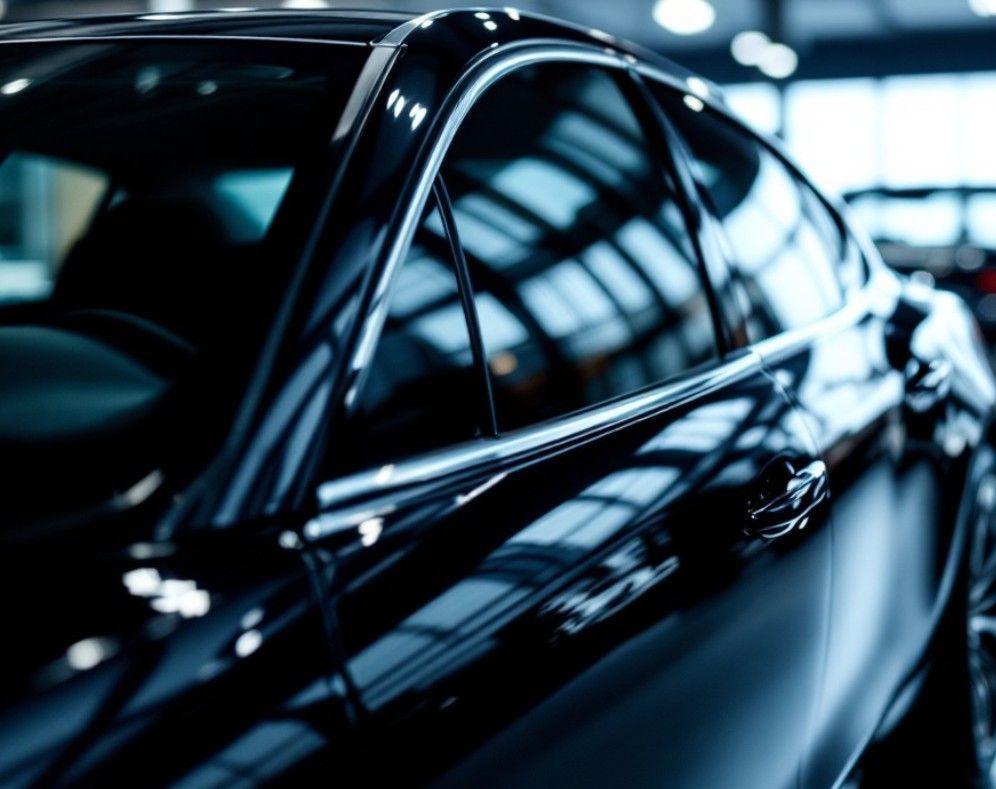
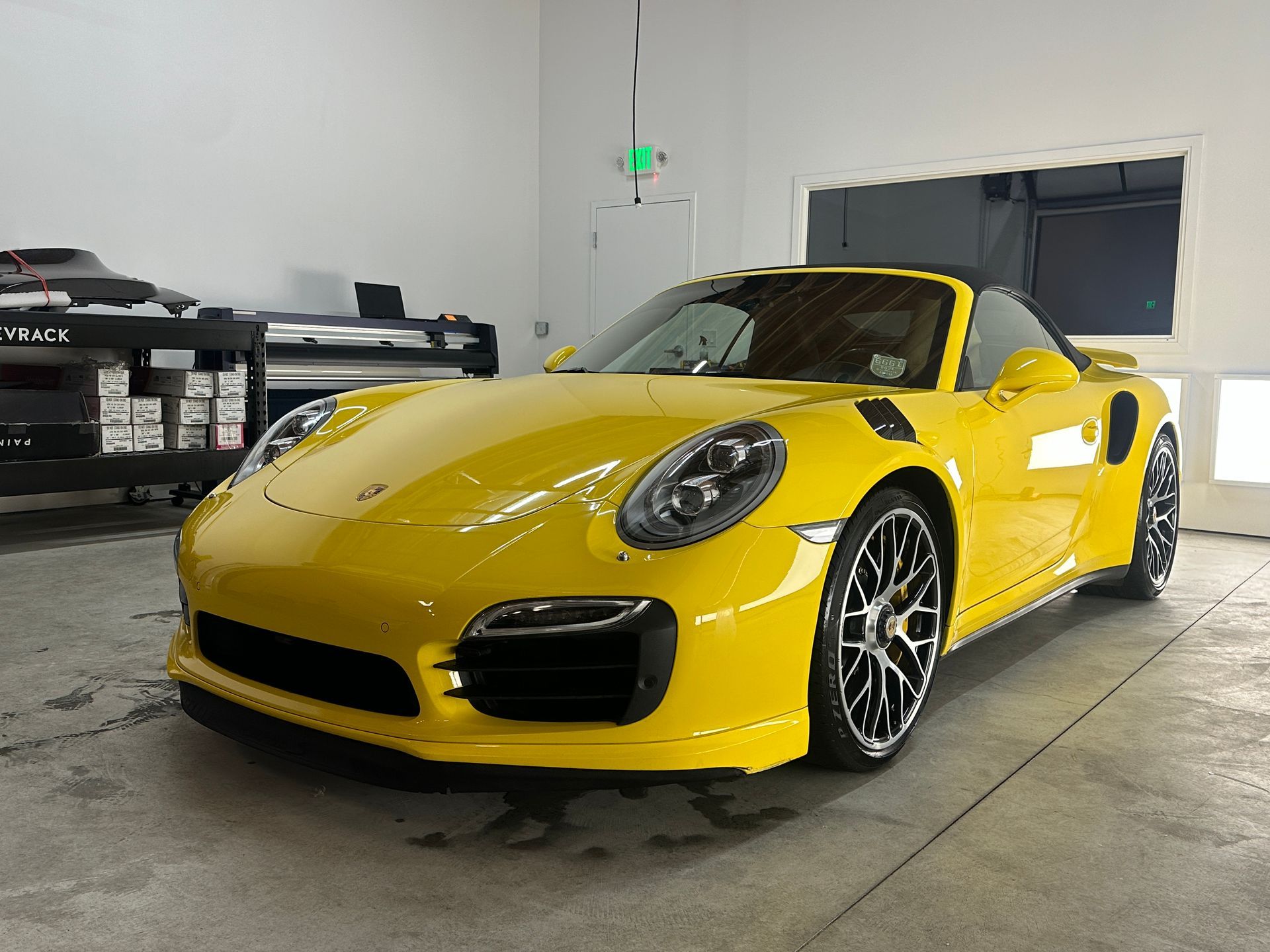
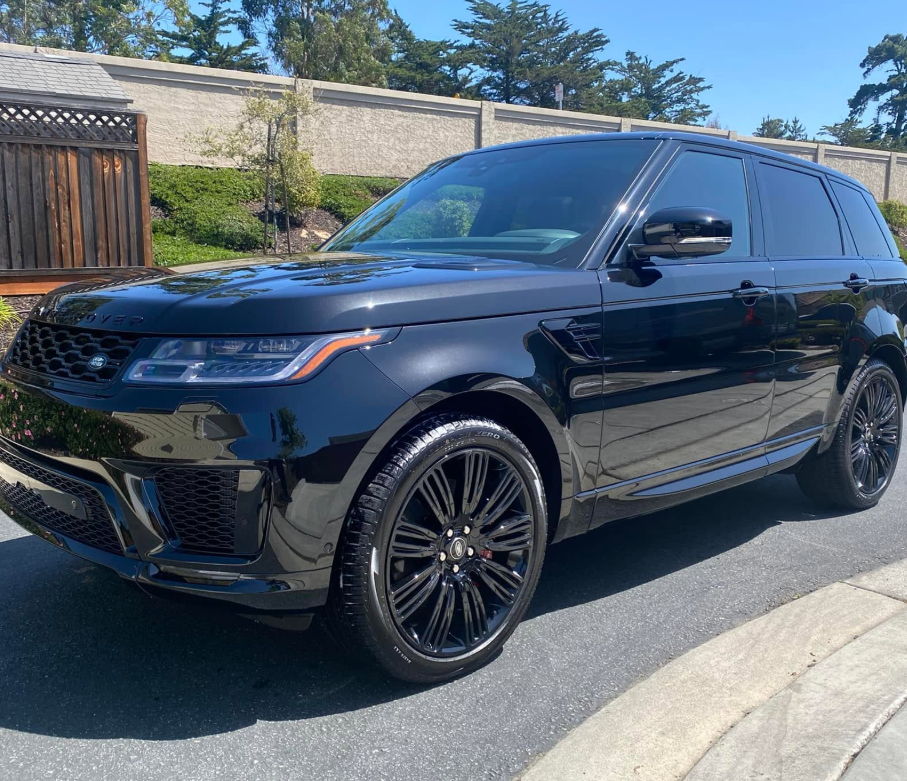
Ceramic coating delivers a dramatic boost in gloss, reviving the depth and richness of your car's color with a mirror-like, wet finish that stands out on the road. Paired with high-quality window tint, the result is a striking visual harmony: deep, uniform window darkness contrasting cleanly against glossy bodywork for a refined, modern appearance that elevates any vehicle. Beyond looks, window tints reflect a significant portion of sunlight to reduce driver glare and eyestrain, while a properly applied ceramic coating subtly reflects light without creating distracting hotspots. Together, they preserve the vehicle's aesthetic integrity by deflecting harmful rays away from glass and paint, preventing long-term fading and discoloration.
Application Process Differences
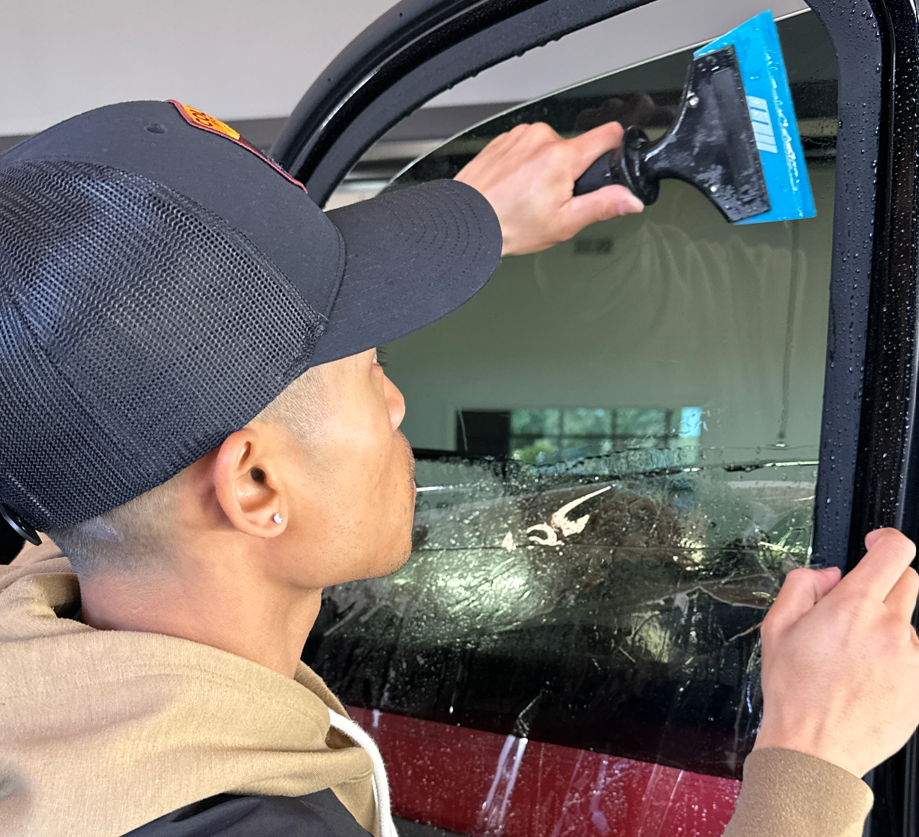
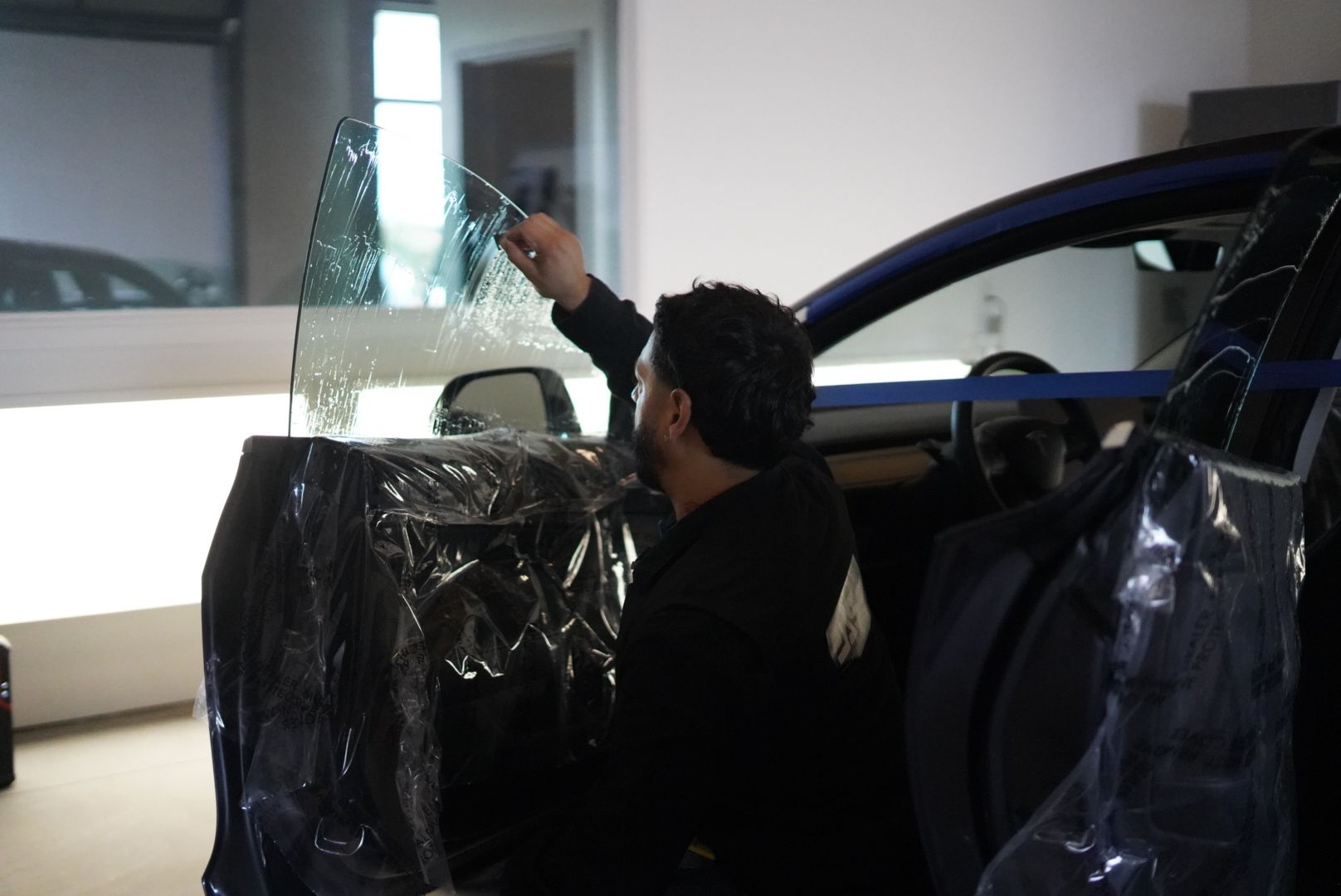
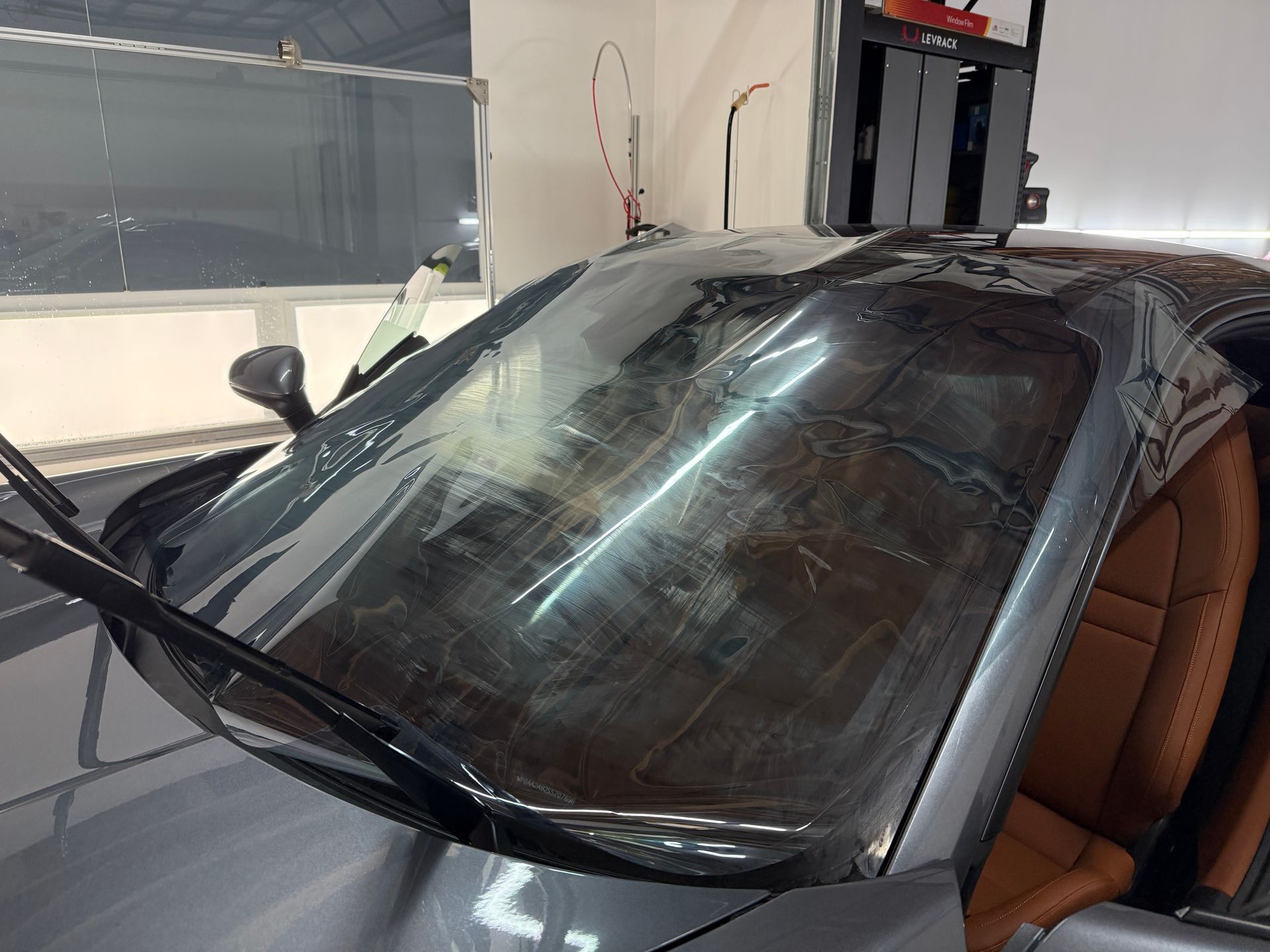
Window tint installation begins with meticulous glass cleaning to eliminate any dust or residue that could cause bubbling. The film is cut slightly oversized, positioned using a soapy water solution for precise placement, then squeegeed free of air and water. Curing takes approximately one week as the film bonds fully to the glass.
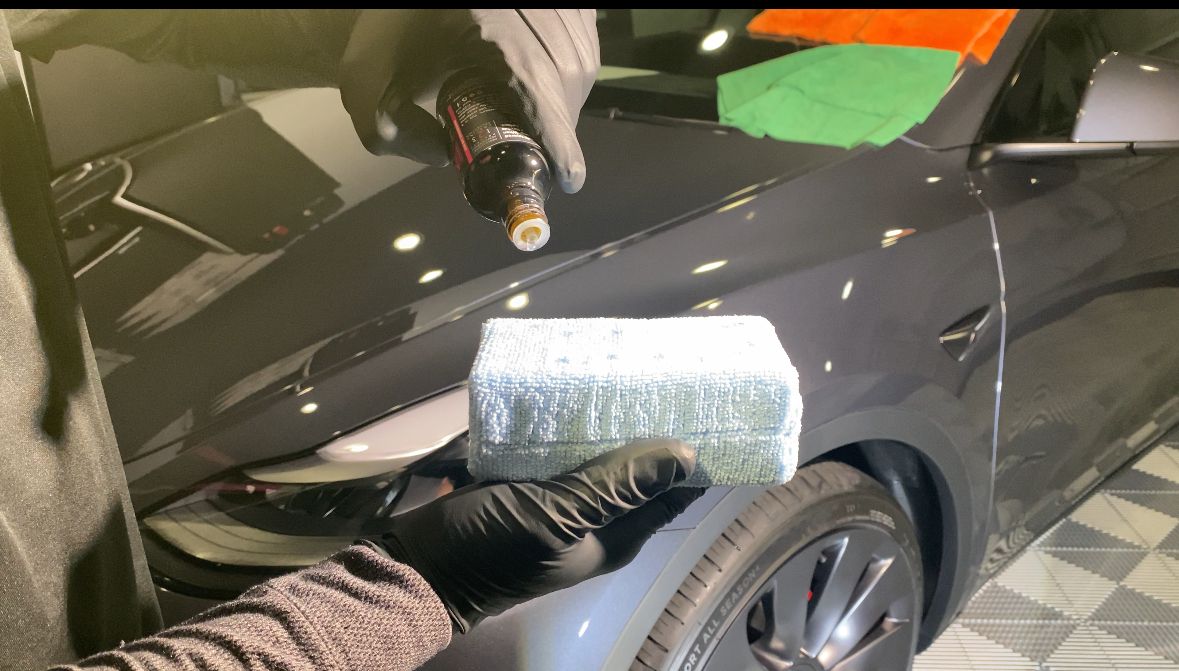
Ceramic coating demands a more intensive preparation: multiple hand washes, clay bar decontamination, and an alcohol wipe-down, often followed by paint correction to remove swirl marks. Technicians then apply thin layers of liquid polymer in a cross-hatch pattern over two-square-foot sections and buff the coating off after a brief flash period. Full curing requires up to seven days, during which temperature and humidity control are critical. When scheduling both services, apply window tint first to avoid overspray contaminating the fresh coating.
Ideal Cars for Window Tint and Ceramic Coating
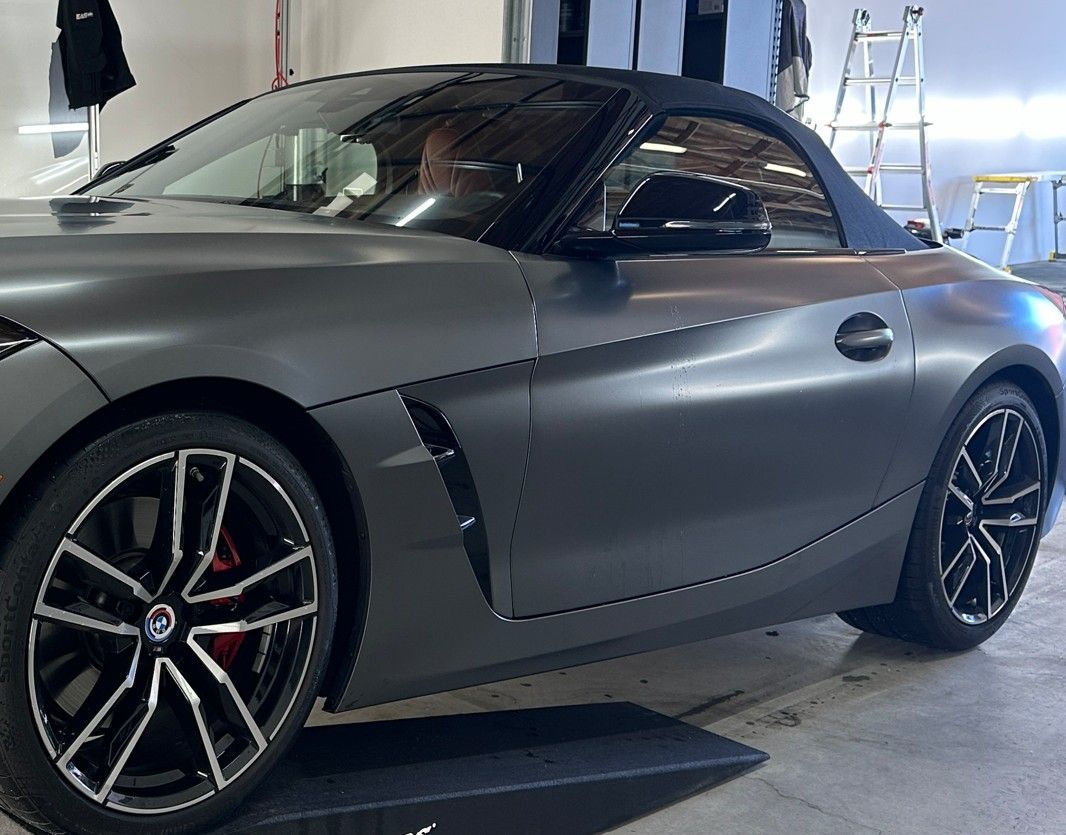
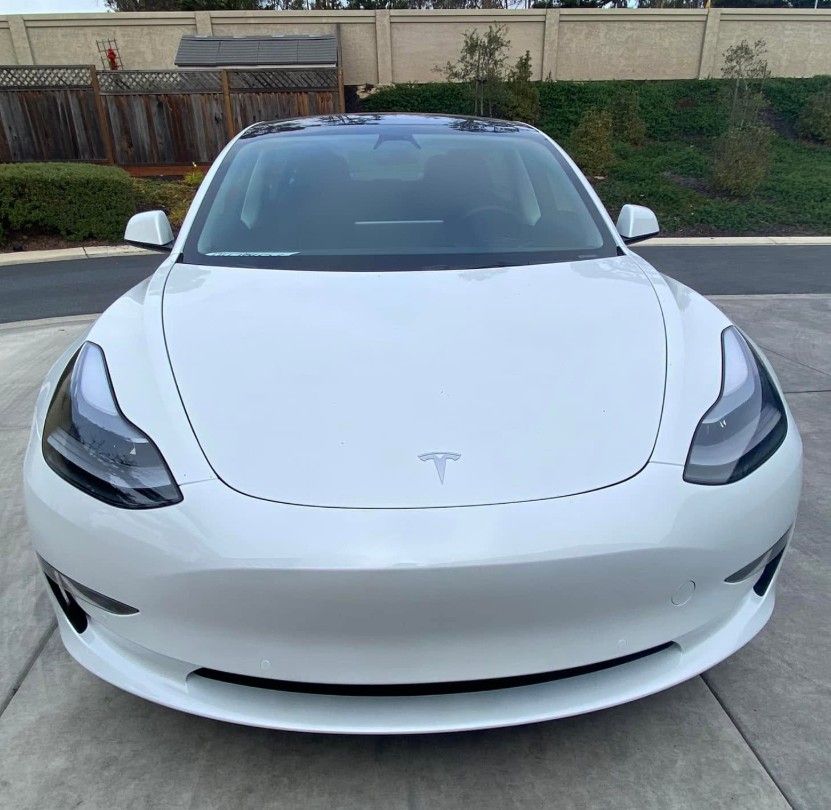
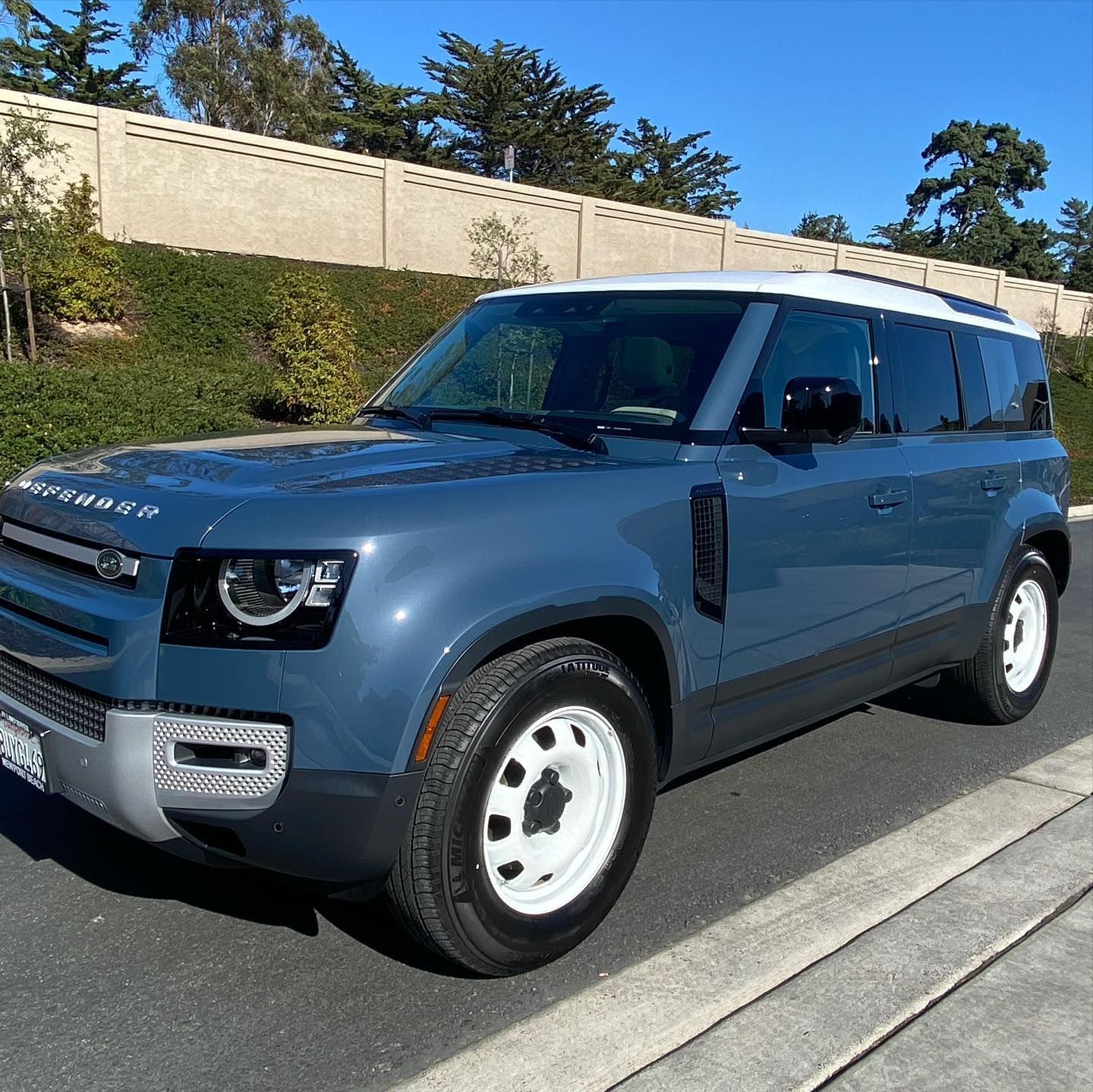
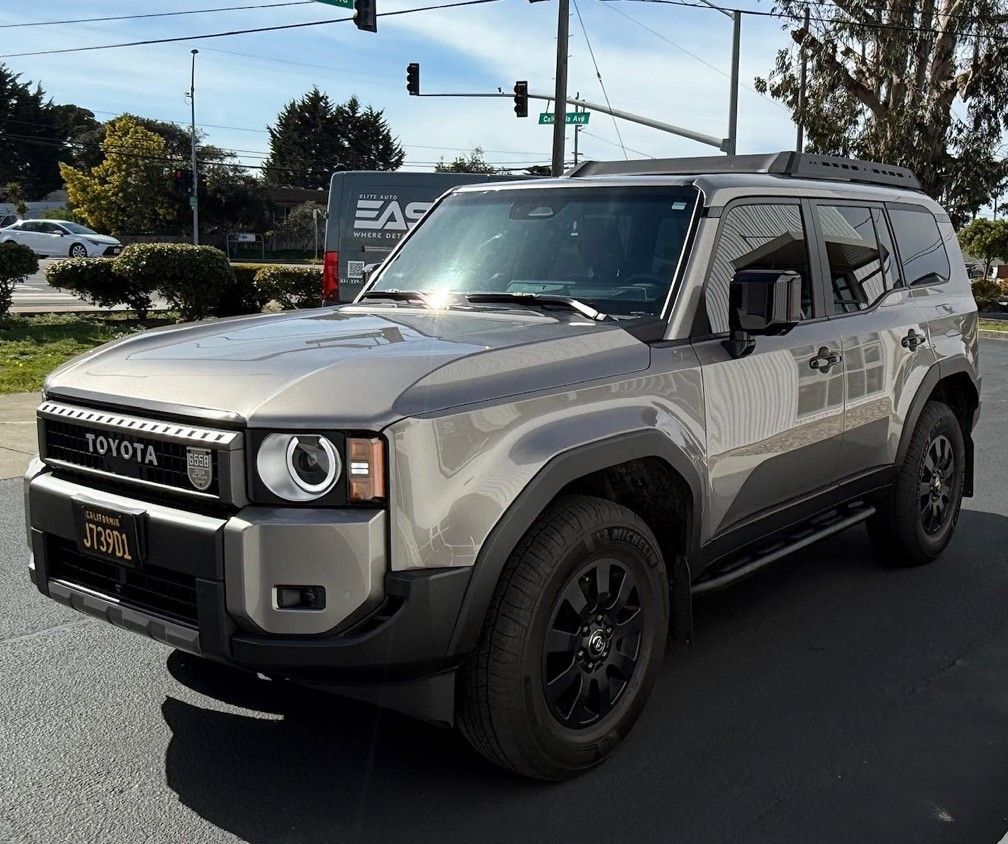
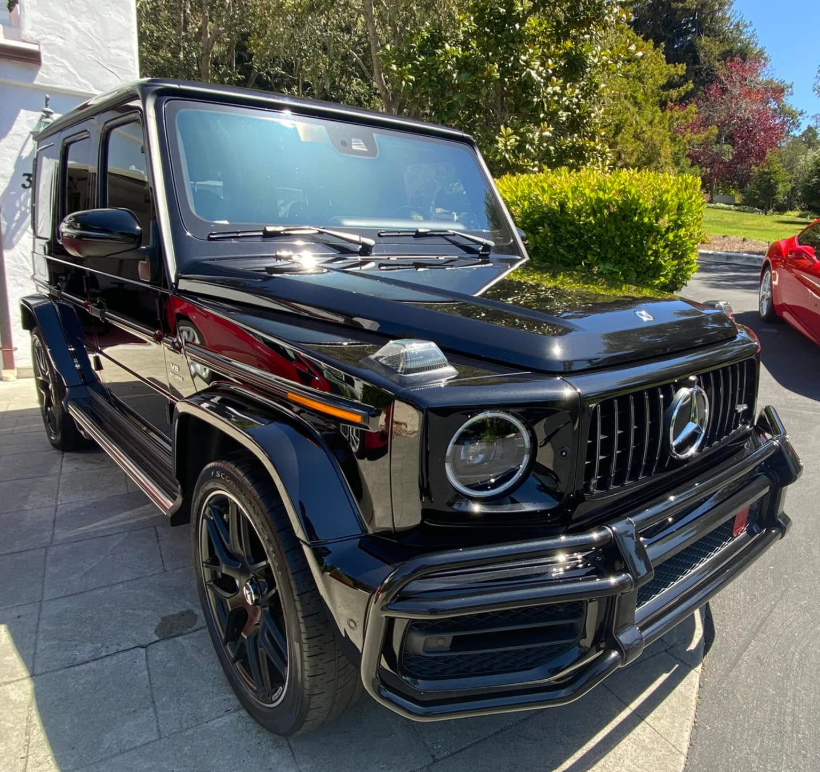
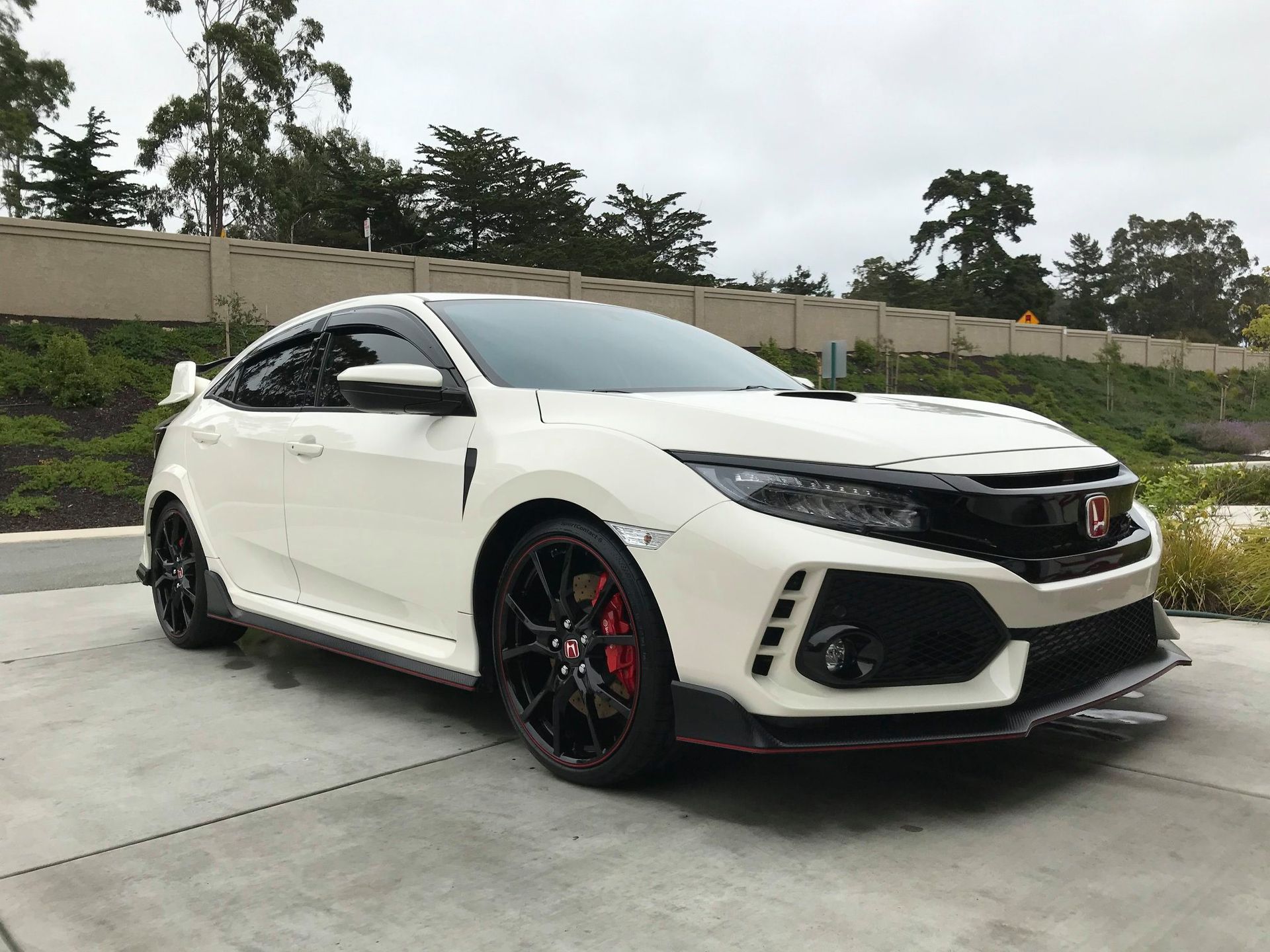
Luxury and high-performance vehicles, such as Mercedes-Benz, BMW, and Tesla models, are prime candidates because their premium paint finishes are more vulnerable to UV damage and contaminants. Daily drivers like a Honda Civic or Ford Fusion benefit equally: ceramic coating simplifies cleaning and maintains shine, while window tinting reduces heat and glare for a more comfortable commute. SUVs gain protection across a larger surface area, and classic cars preserve their vintage appeal against age-related deterioration.
In high-UV regions, ceramic coating slows paint degradation from up to 25% annual loss down to about 5%, while ceramic window tint blocks over 99% of UVA and UVB rays and reduces interior heat by up to 30 degrees Fahrenheit, making this combination a smart investment regardless of vehicle type.
Maintenance Tips and Durability
Routine washing with pH-neutral car shampoos preserves the ceramic coating's hydrophobic layer. Avoid abrasive sponges or ammonia-based cleaners, which degrade both the ceramic finish and window tints. Use soft microfiber cloths with non-ammonia cleaners for tinted glass, and a two-bucket microfiber mitt method for coated paintwork to prevent swirl marks. Schedule quarterly inspections to catch early signs of wear, water spots, or trapped contaminants before they deepen, and apply specialized UV-blocking sprays to trims, rubber seals, and plastic components to extend full-surface protection.
Protect Your Car Inside and Out with the Perfect Combination
Window tint and ceramic coating deliver complete protection when applied correctly. From blocking heat and UV rays to preserving your paint’s shine, the right combination makes a noticeable difference in comfort, appearance, and long-term value.
At Elite Auto Spa, we specialize in professional tint and ceramic coating solutions tailored to your vehicle and driving conditions. Our maintenance services are tailored to extend the life of both treatments and maximize your investment.
Call
831-229-3121
today to
book your appointment
today for expert recommendations and lasting protection.
Frequently Asked Questions
Can ceramic coating protect window tints from fading or damage over time?
Yes. Ceramic coating shields window tints from UV rays and environmental damage that cause fading and bubbling. Since ceramic coatings block over 99% of harmful UV radiation, pairing them with window tint significantly extends tint life and vibrancy.
Should window tint be applied before or after ceramic coating?
Window tint should be applied before ceramic coating. Ceramic coatings need 24 to 48 hours to fully cure, and tinting the glass first ensures a clean surface for the installer and prevents coating overspray from affecting the film.
Are there compatibility issues when using both treatments on the same vehicle?
No major compatibility issues exist. Window tints block up to 99% of UV rays while ceramic coatings add a durable, hydrophobic layer to the paint. Allow proper curing times for each treatment and apply tint before coating to maximize the combined benefits.
How do both treatments contribute to UV protection and temperature control?
Window tint blocks up to 99% of harmful UV rays and reflects infrared light to reduce cabin heat. Ceramic coating shields exterior paint from UV oxidation and heat degradation. Together, tint keeps the cabin cool and safe while the coating preserves the exterior's shine and structural integrity.
What are the combined benefits of applying both treatments?
Together, window tint and ceramic coating block up to 99% of UV rays, reduce interior heat buildup by up to 60%, guard paintwork against scratches and environmental grime, and extend the vehicle's lifespan. Owners also benefit from lower maintenance costs and a more comfortable, better-protected driving experience.