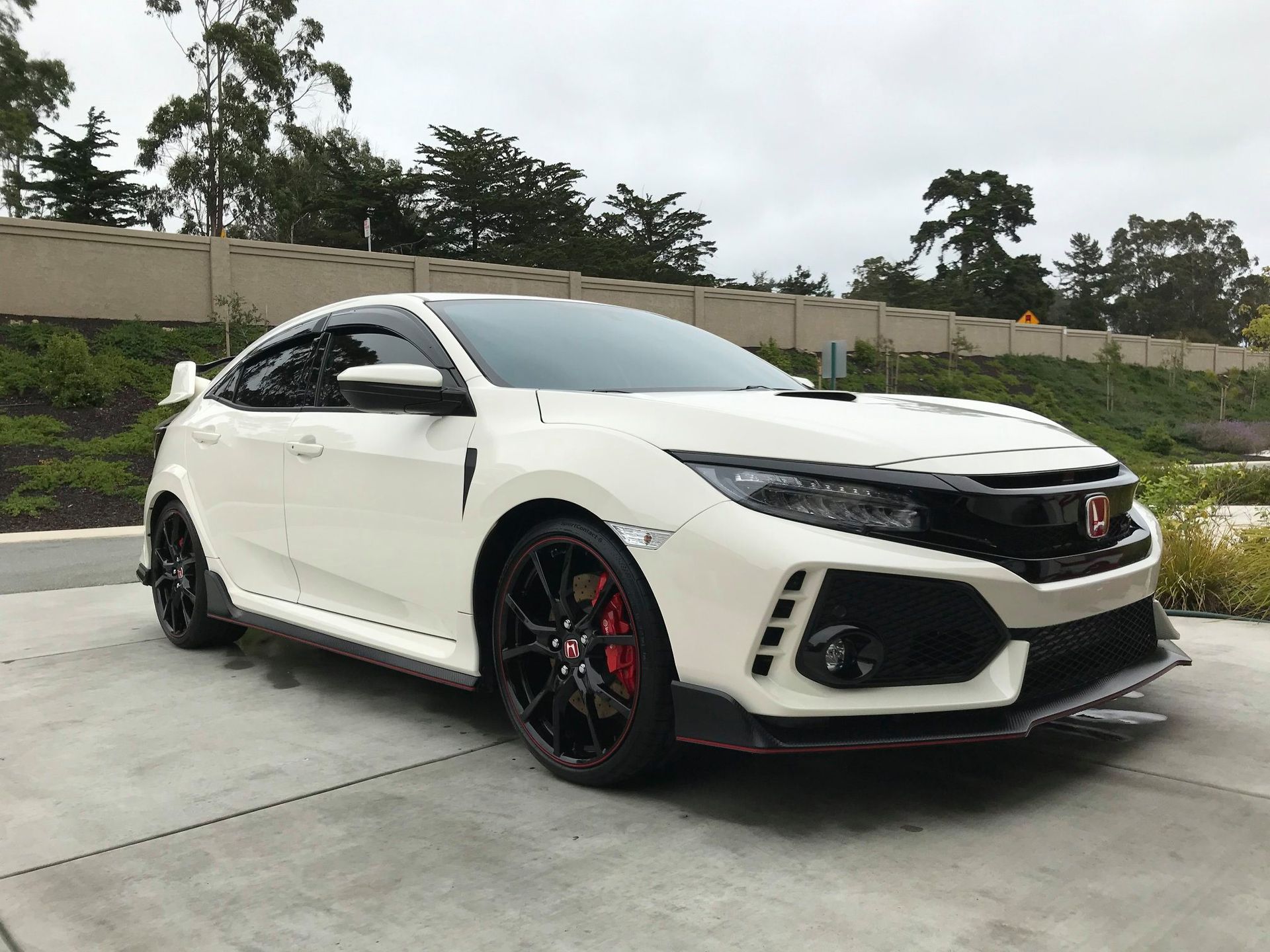
Front-End PPF vs Full-Body PPF: Cost, Protection, and How to Choose the Best Option
Thinking about protecting your car's paint but not sure whether to go for front-end or full-body paint protection film? It's a common question that depends on how you use your vehicle, where you drive, and what kind of coverage you really need. Front-end PPF shields just the spots most likely to get chips and scratches, saving you money and time. Full-body PPF goes all in, covering every panel but costing quite a bit more. We dug into the details so you can understand the real differences and pick what fits your car and lifestyle best.
Front-end PPF covers high-impact areas like the hood, front bumper, fenders, and side mirrors to protect against rock chips, scratches, and road debris, making it a cost-effective choice for most daily drivers. Full-body PPF provides comprehensive protection for the entire vehicle surface, offering maximum defense against environmental damage and minor contact marks but at a significantly higher price point. Your choice should depend on your budget, driving conditions, and desired level of protection.
Front-End PPF vs Full-Body PPF: A Comparison
Front-end PPF shields the most vulnerable parts of your car: the hood, front bumper, fenders, and side mirrors. These areas face the brunt of daily hazards like road debris, rock chips, bug splatters, and salt from winter roads. Because it covers only about 25 to 35% of the vehicle's surface, front-end PPF is significantly more affordable than a full-body wrap. Its smaller coverage also means installation takes less time, often just one to two days, and ongoing maintenance is simpler.
Full-body PPF delivers comprehensive protection by covering every panel of your vehicle's exterior, defending against scratches, minor dents, UV fading, chemical stains, and scuffs from tight parking situations. For owners of luxury cars, collectors' vehicles, or matte-finished paints, full wraps provide unmatched peace of mind. Full-body installations start at $6,295 for coupes and sedans and $7,295 for SUVs and trucks at Elite Auto Spa, with pricing varying by vehicle size and film quality. The process demands several days of meticulous application.
With front-end car paint protection film, there is sometimes concern about visual inconsistencies, since areas covered in film might age differently compared to unprotected panels. However, professional application combined with complementary ceramic coatings can greatly reduce this effect.
| Feature | Front-End PPF | Full-Body PPF |
|---|---|---|
| Coverage | Hood, bumper, mirrors, fenders (25–35%) | Entire exterior surface (100%) |
| Cost | Starting at $2,600 (Full Front End) | Starting at $6,295 (coupes/sedans) |
| Installation Time | 1–2 days | Several days |
| Protection | High-impact zones | Full vehicle including scrapes |
| Typical Users | Daily drivers wanting effective defense | Enthusiasts wanting maximum coverage |
When choosing between these options, consider your driving environment first. If you frequently drive on highways or live in coastal regions where salt air and UV exposure accelerate paint wear, front-end PPF combined with ceramic coating elsewhere often strikes an ideal balance. If you park outdoors regularly in busy settings or want the ultimate defense against everything from contact damage to environmental wear, a full-body wrap may be worth the investment. Professional installation by an experienced shop like Elite Auto Spa ensures optimal results with either option.
What Is Front-End Paint Protection Film?
Front-end PPF is a transparent vinyl layer crafted to shield the most vulnerable sections of your vehicle, typically the hood, front bumper, fenders, and side mirrors. The film is made from thermoplastic urethane, a resilient material that combines elasticity with self-healing properties. Small scratches can often disappear on their own with exposure to heat sources like sunlight or warm water. With thickness usually ranging between 6 to 8 mils, it strikes a balance between robust protection and maintaining clear visibility of your car's original paintwork.
The main draw is targeted efficiency: protecting just the parts that face the brunt of road wear without the added cost of wrapping the entire vehicle. Installation typically takes 4 to 8 hours versus much longer for a full-body wrap. Many modern films also come with hydrophobic coatings that repel water and road grime, plus chemical-resistant layers that enhance durability against bird droppings, bug acids, and environmental pollutants.
If you regularly commute on highways or live in areas where salt air and coastal conditions are common, such as here on California's Central Coast, front-end PPF can safeguard against the most persistent elements your vehicle encounters. Pairing this with ceramic coating on uncovered panels helps minimize uneven aging caused by UV exposure. Professional installation is critical, as DIY attempts often result in bubbling, peeling, or compromised adhesion.
What Is Full-Body Paint Protection Film?
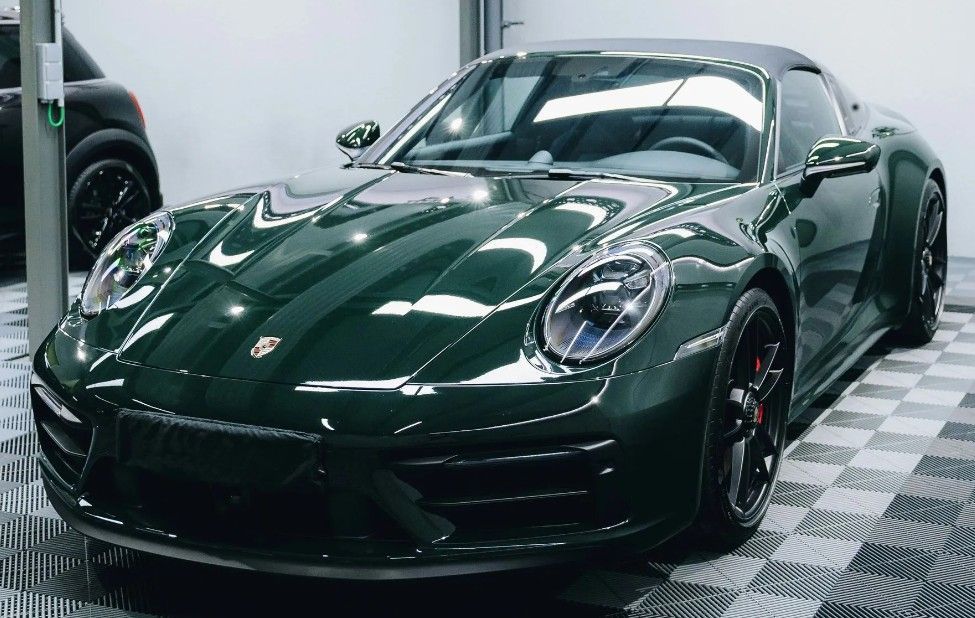
Full-body PPF is a clear, durable vinyl layer applied to every painted surface of your vehicle, including the hood, fenders, bumpers, doors, roof panels, side mirrors, and even door jambs. The goal is complete armor against road debris, scratches, minor contact damage, and environmental exposure such as bird droppings or UV rays. If you park on busy streets or in tight garages where other cars brush close, full-body PPF absorbs scrapes and scuffs that would otherwise mar your paint.
Beyond physical damage, the film offers remarkable resistance to chemical stains from acid rain or bird droppings. Many modern variants incorporate self-healing technology where small scratches vanish when exposed to heat. Hydrophobic top coats further repel water and dirt, reducing cleanup time.
With proper care, including regular washing using pH-neutral soaps and prompt removal of contaminants, the film can last several years before replacement is needed. Many manufacturers back their products with warranties lasting up to a decade when installed professionally. Applying ceramic coating over the film adds an extra layer of protection that boosts hydrophobic properties and chemical resistance.
Advantages and Benefits of Each Option
Front-end PPF is a cost-effective solution that shields high-impact zones without demanding the larger investment a full-body wrap entails. The majority of paint damage stems from impacts to your vehicle's front, so applying PPF here addresses the lion's share of maintenance concerns. Cleaning a smaller area saves time during regular washes, and installation takes one to two days compared to several days for full wraps. However, this approach does leave doors, roof, and rear quarters exposed to scratches and environmental wear.
Full-body PPF covers every panel, ensuring consistent protection and a uniform appearance across the whole car. Unlike partial wraps where uncovered paint can age differently or accumulate scratches that contrast against protected panels, full-body PPF maintains a seamless look. This is especially valuable for luxury vehicles or those with rare finishes, and it helps extend resale value because the entire exterior remains well-preserved. Modern films like KAVACA from Ceramic Pro feature hydrophobic coatings that repel dirt and water across every surface.
In essence, front-end PPF balances economy with essential defense for daily commuters in moderate-risk environments. Full-body PPF appeals to those who view their car as an investment needing top-tier care.
What moves the needle in pricing is how much material is required and how complex your car's body lines are. Vehicles with smooth, flat surfaces are quicker to cover than those with sculpted shapes or numerous curves. If we perform paint correction before applying film or complement it with a topcoat ceramic treatment, that can further add to your total investment. Installation rates also vary by region, with installers in large metropolitan areas typically charging more than those in smaller towns.
Installation Process for Both Options
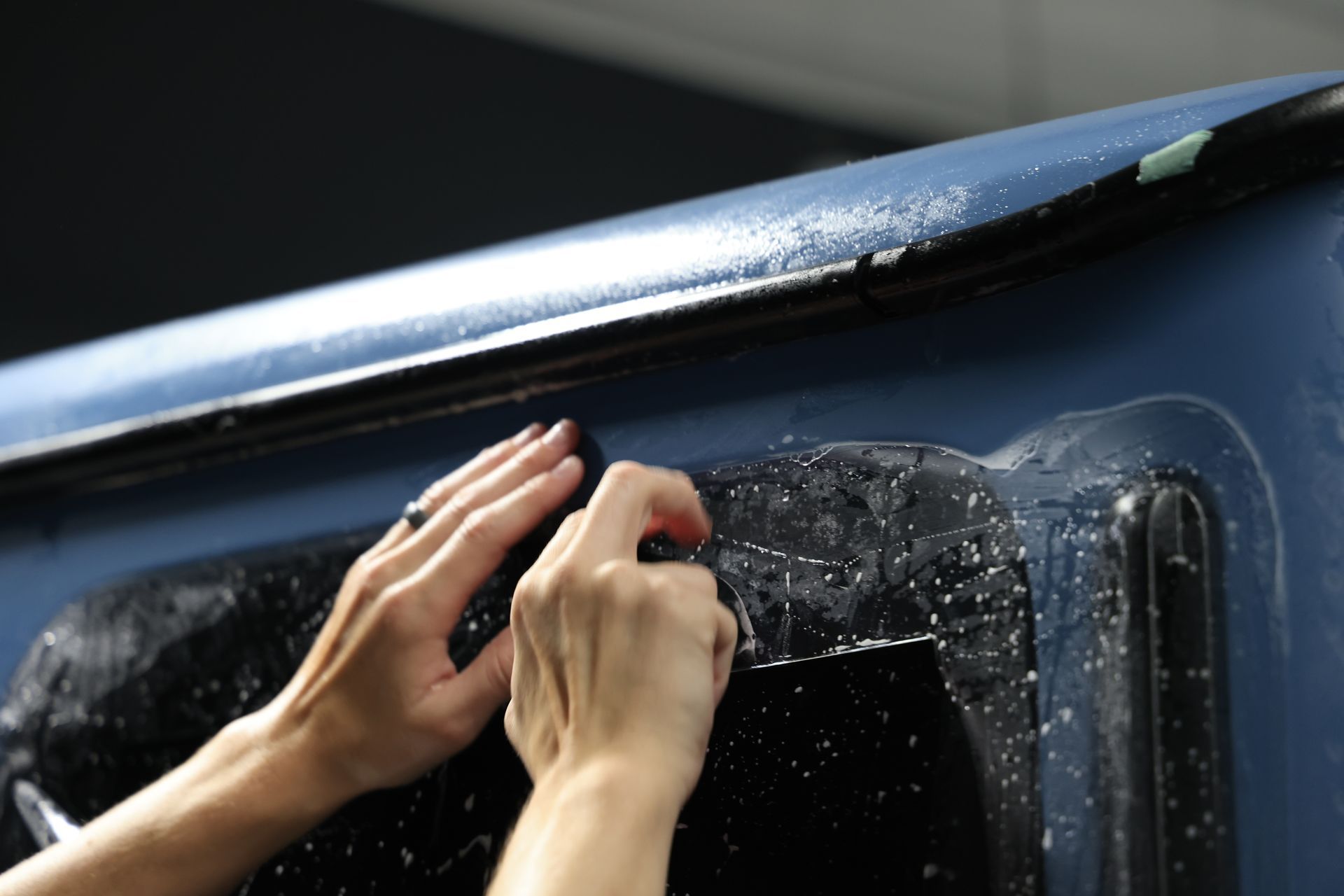
For front-end PPF, the process begins with meticulous cleaning of all targeted surfaces. Even tiny dust particles or oils left behind can cause bubbles or imperfect bonding. The film is sprayed with a slip solution so the installer can reposition it freely while aligning edges precisely along curves and seams. Soft squeegees push out trapped air bubbles and moisture for a crystal-clear finish. Curing takes 24 to 48 hours as the film bonds firmly.
Full-body PPF demands even deeper cleaning because any contaminant anywhere could show up under such extensive coverage. Highly precise measurements and templates come into play, with custom-fit pieces tailored exactly to each panel. Our installers use heat guns to gently stretch film over complex curves and fine squeegees with delicate pressure to chase out microscopic air pockets. Following installation, inspection rounds confirm every panel receives seamless protection without bubbles or wrinkles.
Throughout the entire process, our installers at Elite Auto Spa focus on preserving your vehicle's showroom gloss while providing durable protection from the Central Coast's unique conditions, including salt air, fog moisture, and intense sun.
How to Choose the Right PPF for Your Vehicle
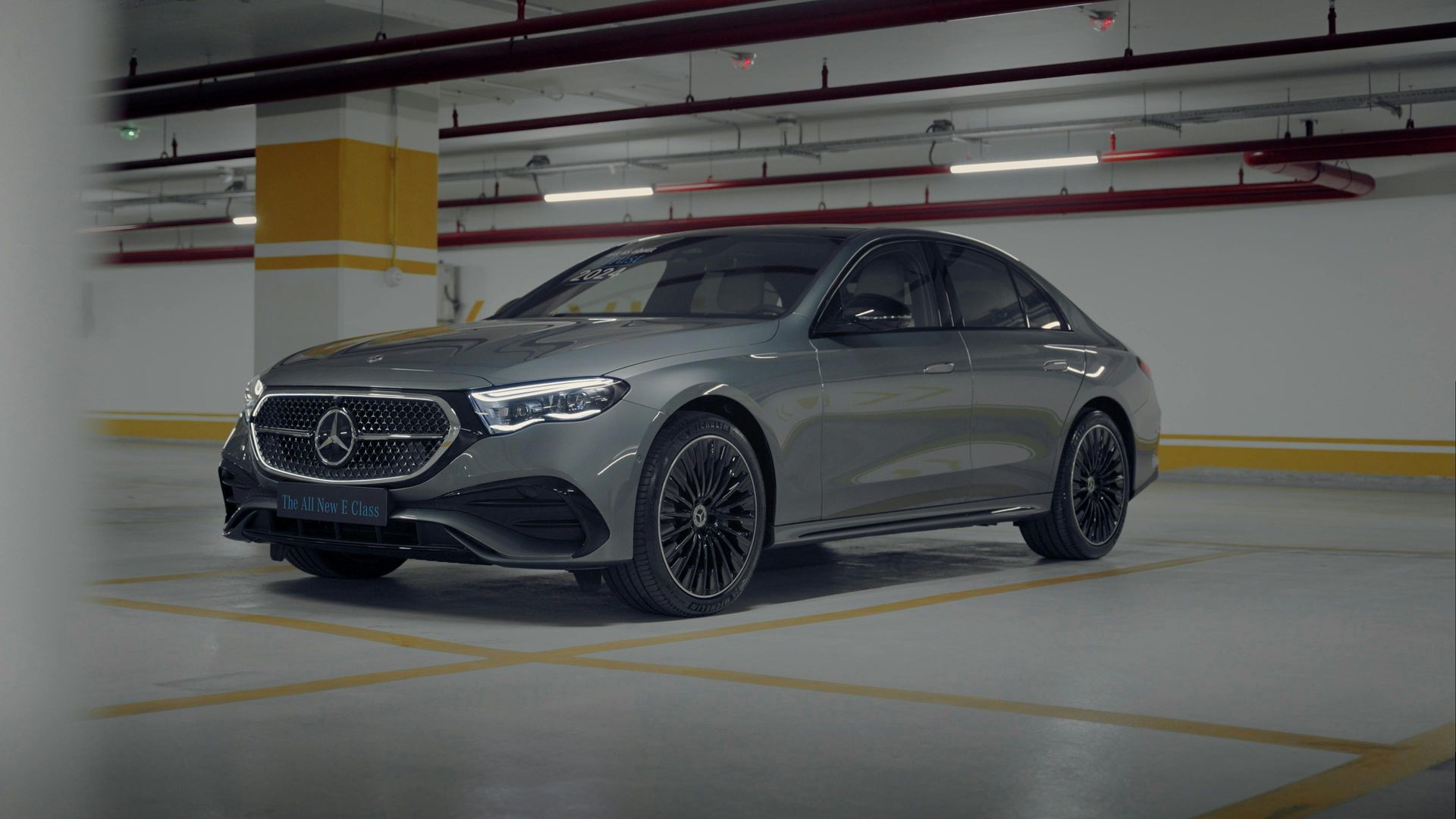
If most of your driving is confined to city streets or short commutes, front-end PPF typically covers the vulnerable areas where damage is most likely, keeping costs lower while still offering sensible defense. Drivers who travel long distances on highways, rural roads, or coastal routes face harsher elements where full-body PPF brings an elevated level of protection surrounding every panel with durable, self-healing film.
For luxury or high-end models that lose significant value with even minor blemishes, the choice often leans toward full-body coverage. If your car is a daily driver with moderate usage patterns, front-end PPF usually hits the sweet spot between cost and protection.
Setting a clear budget early helps frame expectations realistically. While full-body PPF may appear costly, its long-term benefits like reduced repair expenses and enhanced paint preservation often offset initial investments. Modern PPF films installed by certified professionals at Elite Auto Spa come with manufacturer-backed warranties promising durability against the Central Coast's demanding conditions.
Protect Your Car Today with Expert PPF Installation
Don’t wait for rock chips, scratches, or environmental damage to ruin your car’s finish. Whether you choose front-end PPF or full-body PPF, professional installation ensures maximum protection, seamless finish, and long-lasting durability.
At Elite Auto Spa in Marina, CA, our certified technicians specialize in precise, climate-controlled PPF applications, complemented by optional ceramic coating for ultimate protection.
Call 831-229-3121 today to schedule your consultation and safeguard your vehicle’s paint with expert care:
Your car deserves the best protection - let us help you keep it looking pristine for years to come.
Frequently Asked Questions About Front-End and Full-Body PPF
1. What is the difference between front-end and full-body PPF?
Front-end PPF protects only high-impact areas like the hood, bumper, fenders, and mirrors, while full-body PPF covers every painted surface for complete protection against scratches, chips, and environmental damage.
2. How much does front-end PPF cost in Marina, CA?
At Elite Auto Spa, front-end PPF starts at $2,600, depending on your vehicle type and optional add-ons like ceramic coating.
3. How long does it take to install front-end or full-body PPF?
Front-end PPF typically takes 1–2 days, while full-body PPF can take several days, depending on vehicle size and complexity.
4. Does PPF protect against UV damage and fading?
Yes. Both front-end and full-body PPF provide excellent UV protection, helping maintain your car’s paint vibrancy, especially in sunny coastal areas like Marina, CA.
5. Can I apply ceramic coating over PPF?
Absolutely. Applying ceramic coating over PPF enhances hydrophobic properties, chemical resistance, and longevity, making maintenance easier and keeping your car looking glossy.
6. How long does PPF last?
Front-end PPF usually lasts 5–7 years, while full-body PPF can last up to 10 years with proper care and maintenance.
7. Is professional installation necessary?
Yes. Professional installation ensures precise alignment, bubble-free coverage, and proper curing. DIY installations can lead to peeling, bubbling, or uneven adhesion.
8. How do I maintain PPF in Marina, CA’s coastal environment?
Wash your vehicle regularly using pH-neutral shampoos, avoid abrasive brushes, remove contaminants like bird droppings promptly, and consider maintenance sprays every 6–12 months to preserve protection.
9. Will PPF change the appearance of my car?
No. High-quality PPF is transparent and preserves your paint’s finish. Modern self-healing films also remove minor scratches, keeping your car looking flawless.
10. Can I insure a car with PPF?
Yes. Most insurance providers cover vehicles with PPF under standard policies. Full-body PPF may also be listed as a protective upgrade to preserve resale value.