PPF vs Ceramic Coating: Benefits, Durability, and Which Protects Paint Best
When it comes to keeping your car's paint looking fresh and flawless, the choices can feel overwhelming. Should you go for Paint Protection Film (PPF) that acts like a tough shield against chips and scratches? Or is a ceramic coating, which gives your car a sleek shine and repels dirt, the better pick? Both protect your vehicle, but in very different ways, and knowing exactly what each does will save you time, money, and frustration down the road.
Paint Protection Film (PPF) offers superior protection against physical damage such as rock chips, scratches, and impact marks thanks to its durable polyurethane barrier with self-healing properties. Ceramic coating, while excellent for enhancing gloss, hydrophobicity, and chemical resistance, does not provide the same level of impact protection; therefore, combining PPF with a ceramic coating delivers the best overall defense for preserving your vehicle's factory finish.
Comparing PPF and Ceramic Coating
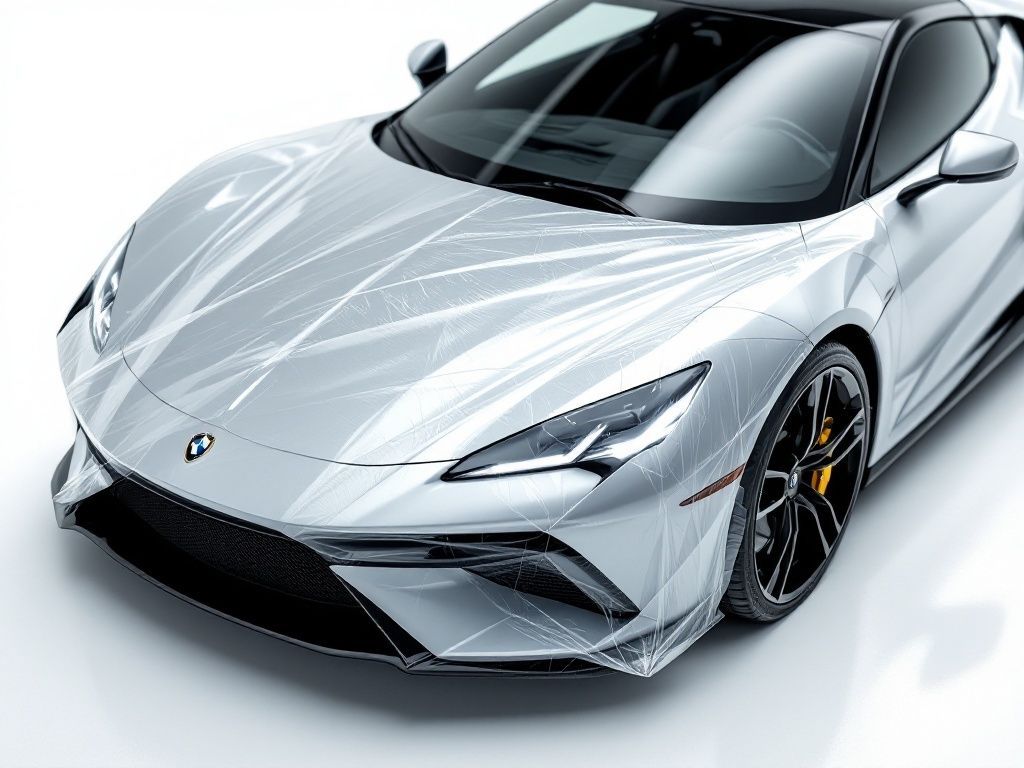
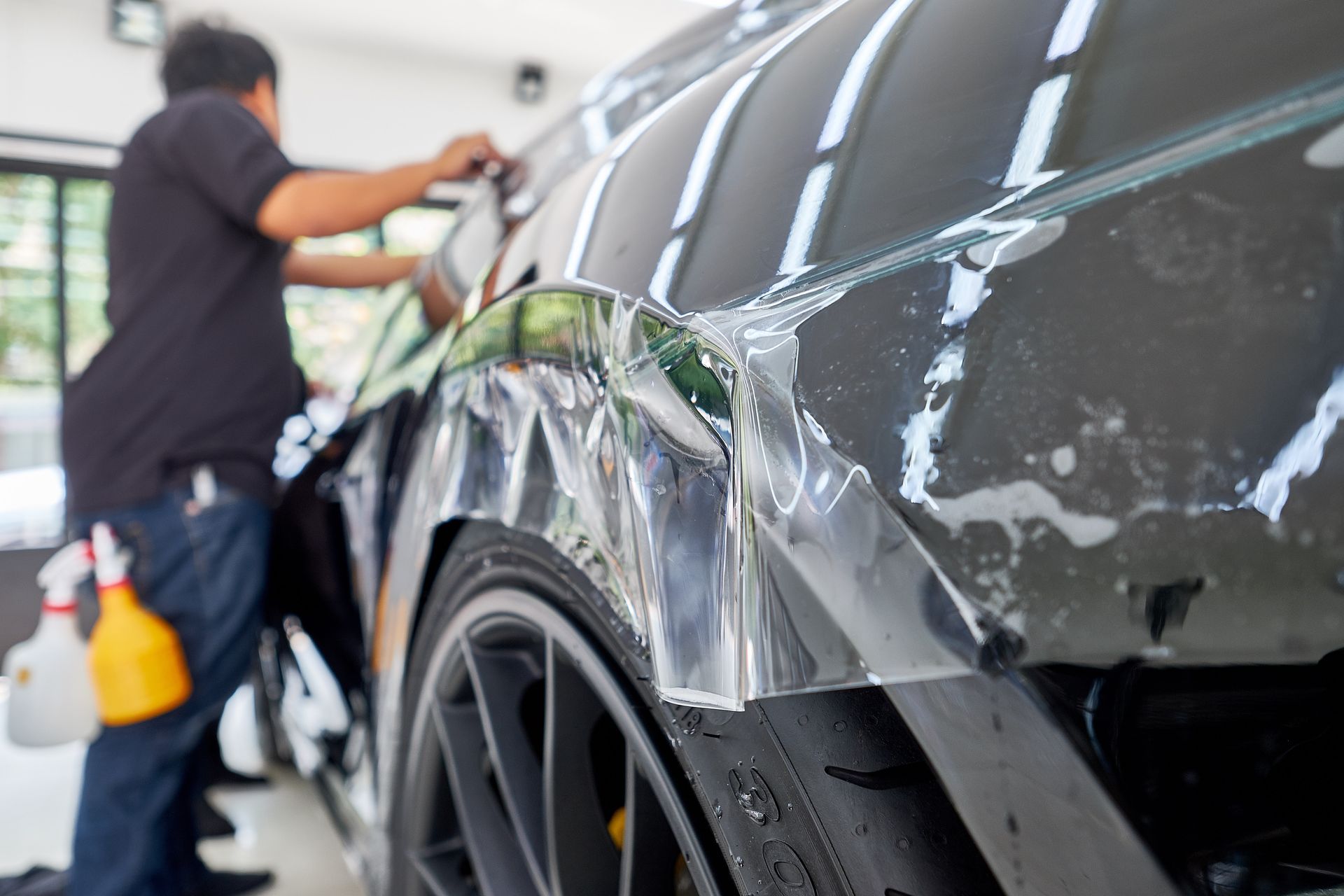
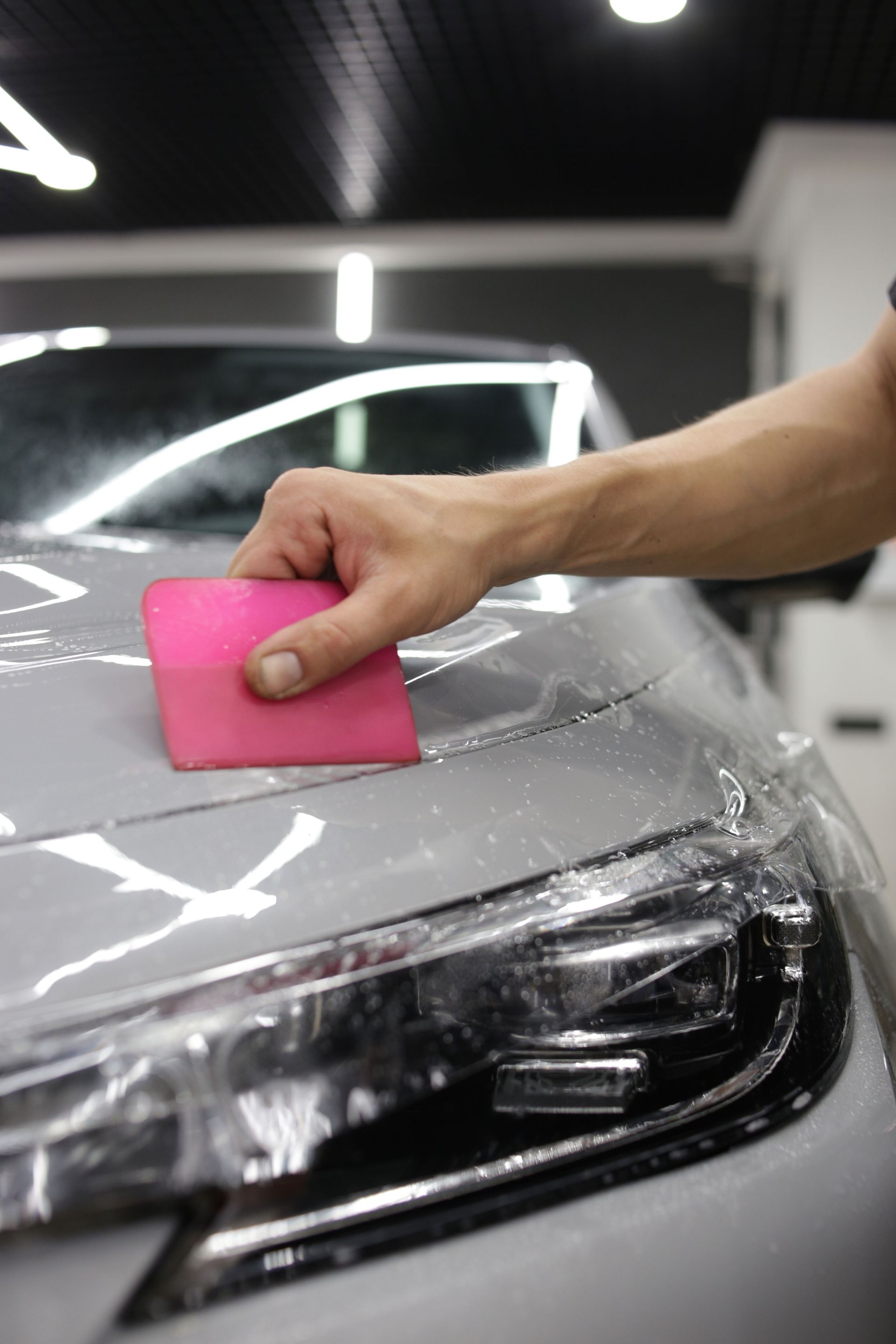
At their core, PPF and ceramic coating serve different purposes. One is a physical shield, and the other is a chemical barrier. PPF is a thick, transparent polyurethane film, usually between 6 to 8 mils thick, applied over vulnerable areas of your car's paint. It absorbs direct impacts from road debris that would otherwise chip or scratch the paint, and it possesses self-healing technology where small scratches "disappear" with exposure to heat.
Ceramic coatings are thin liquid polymers that chemically bond with your vehicle's paint surface. They create an ultra-slick, hydrophobic finish that repels water, dirt, and contaminants, making cleaning easier and providing resistance to chemical damage from bird droppings and acid rain. However, ceramic coatings lack the physical thickness to protect against stone chips or mechanical scratches.
PPF typically lasts five to ten years depending on quality and upkeep, especially when professionally installed in climate-controlled facilities like those at Elite Auto Spa. Ceramic coatings tend to last two to five years before needing reapplication.
For drivers on highways or rural roads where gravel and debris are common, full front-end or full-body PPF coverage offers superior peace of mind. Urban drivers who mostly face chemical stains and want enhanced gloss might find ceramic coating sufficient for their daily needs.
| Aspect | Paint Protection Film (PPF) | Ceramic Coating |
|---|---|---|
| Material Thickness | 6-8 mils (polyurethane film) | 1-3 microns (liquid polymer layer) |
| Protection Type | Physical impact shield; self-healing | Chemical stain and UV protection; hydrophobic |
| Durability | 5-10 years (with proper care) | 2-5 years (requires reapplication) |
| Cost Range | $1,500 - $5,000 | $500 - $2,000 |
Key Benefits of Paint Protection Film
PPF excels at shielding your vehicle from everyday physical damage, whether it's rock chips kicked up on highway drives, accidental door dings in tight parking lots, or scratches from gravel and debris. High-quality brands feature multiple layers engineered to block chemicals, corrosion, and dirt buildup, actively preserving the factory finish.
With a robust film layer applied professionally at Elite Auto Spa, you essentially add a durable force field over your vehicle's vulnerable surfaces.
Self-Healing Technology: Premium PPF options from some leading brands feature self-healing capability. Minor abrasions, swirl marks, or light scratches fade away after exposure to heat from sunlight or warm water. The polyurethane structure temporarily softens, allowing it to heal back to smooth perfection without any intervention from you.
PPF also guards against ultraviolet rays, preventing fading, oxidation, and yellowing. According to LLumar data, vehicles with their high-end PPF face up to a 40% lower risk of paint damage compared to unprotected vehicles. When combined with ceramic coatings like Gtechniq Halo applied on top, the hydrophobic effect intensifies, making cleaning effortless.
Advantages of Ceramic Coating
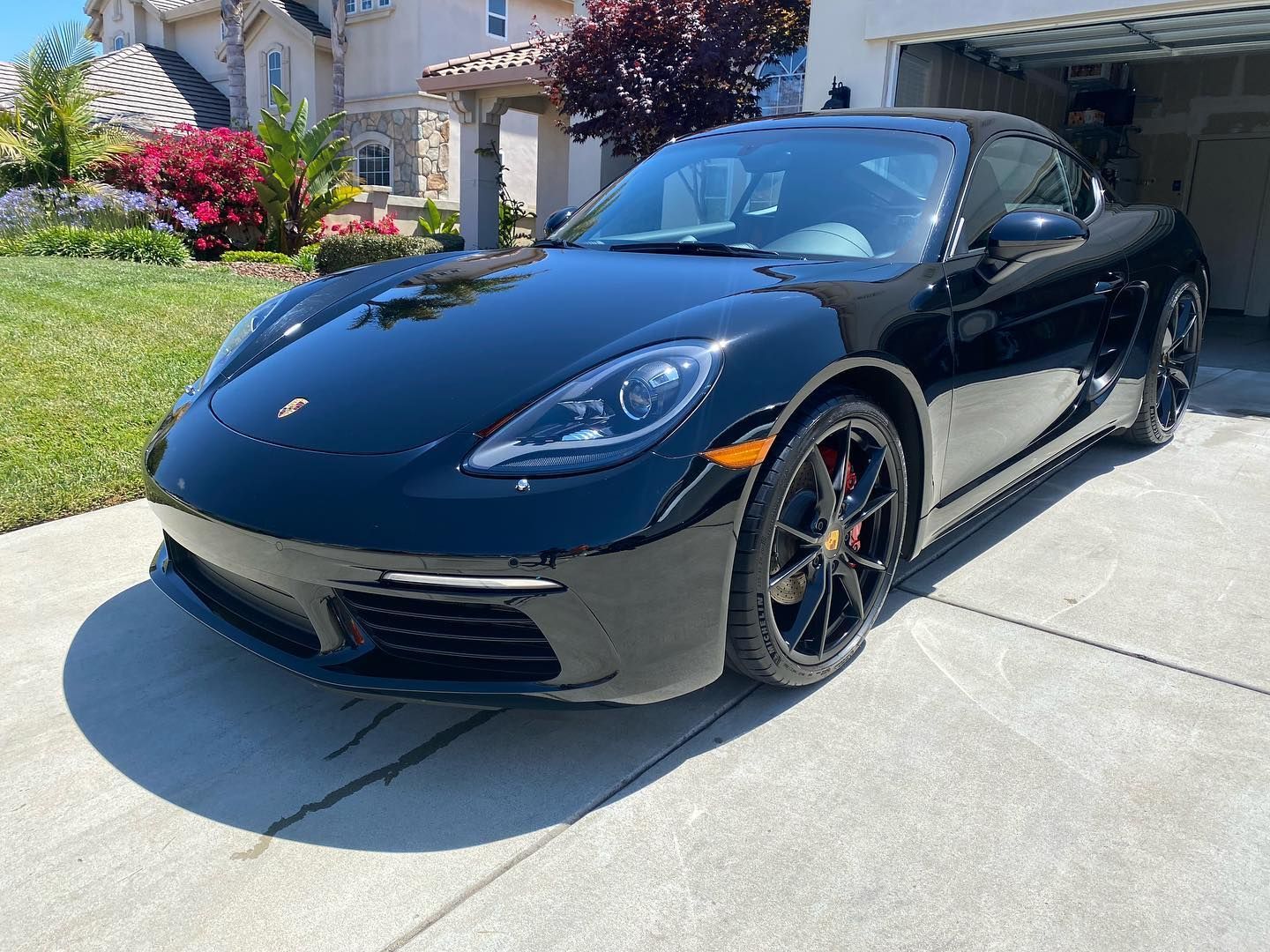
The first thing car owners notice after applying ceramic coating is the remarkable boost in appearance. The coating creates a deeply glossy, mirror-like finish that enriches paint depth and clarity, like having your car freshly waxed every day without constant polishing.
Hydrophobic Properties: Water and dirt simply slide off rather than clinging to the surface. This significantly reduces water spots and makes cleaning far less frequent, saving hours of maintenance each year.
UV and Chemical Resistance: Ceramic coatings block up to 99% of harmful UV rays, preserving vibrant colors much longer than uncoated surfaces. They also resist everyday contaminants like bird droppings, tree sap, and acid rain, which contain acids capable of etching into unprotected paint.
Evaluating Durability and Longevity
Some premium PPF films boast lifespans of five to ten years, backed by warranties covering yellowing, cracking, or bubbling. The robust urethane layer physically absorbs impacts from road debris, preserving paint for years without replacement if properly cared for.
Ceramic coatings operate on a different timeline, typically lasting two to five years. Single-layer coatings wear faster, while multi-layer applications extend protection. However, they do not form a physical barrier and inevitably diminish over time.
If your priority is sustained physical protection in high-risk environments, PPF is the smarter financial choice despite higher upfront cost. For urban drivers wanting easier maintenance and excellent chemical resistance, ceramic coating offers an affordable alternative.
Maintenance Requirements
PPF maintenance is straightforward: hand wash with gentle automotive detergent and avoid high-pressure washers aimed at film edges. Occasional use of approved detail sprays enhances clarity and aids self-healing properties.
Ceramic coatings require pH-neutral car shampoos to maintain the chemical bond with your paint. Harsh cleaners can degrade that bond, reducing gloss and protection over time. Periodic booster sprays replenish hydrophobicity and deepen shine.
For both treatments, washing every one to two weeks is ideal. Use clean microfiber towels for drying and avoid automatic car washes, as brushes can diminish effectiveness. Consistent maintenance prolongs lifespan significantly, often extending full warranty coverage when following recommended procedures from Elite Auto Spa.
Choosing the Right Protection
There's no one-size-fits-all solution. Highway and rural drivers facing loose gravel and construction debris benefit most from PPF's thicker polyurethane barrier. Urban drivers dealing with pollution, bird droppings, and acid rain find ceramic coatings effective for chemical resistance and easier upkeep.
For comprehensive protection, combining both delivers a balanced shield: PPF in high-impact zones like bumpers, hoods, and fenders, with ceramic coating across the entire body for chemical resistance and enhanced gloss.
If you want a consultation on available options or professional installation in the Marina and Monterey area, Elite Auto Spa is certified and ready to help with LLumar Platinum PPF and top-of-the-line ceramic coatings.
Protect Your Car Today with Expert PPF and Ceramic Coating
Don’t wait for chips, scratches, or chemical damage to ruin your car’s paint. At Elite Auto Spa, we specialize in professional PPF and ceramic coating installation using high quality premium products.
Why Choose Us:
- Certified and experienced installers
- High-quality products with industry-leading warranties
- Customized protection plans for your vehicle type and driving conditions
- Attention to detail ensuring flawless results every time
Call 831-229-3121 today to schedule your consultation and protect your car’s finish today.
Related FAQs
What types of damage can PPF prevent that ceramic coatings cannot?
PPF is the heavyweight champion against physical damage like rock chips, stone scratches, and minor dings that ceramic coatings can't physically block. Studies show PPF can reduce chip and scratch damage by up to 90%, making it essential for drivers facing gravel roads or aggressive traffic conditions.
Are there specific climate conditions where one option outperforms the other?
In UV-intense climates, ceramic coatings shine by resisting fading and oxidation with up to 99% UV protection. In colder or gravel-heavy regions, PPF outperforms by physically absorbing rock chips, boasting 5-10 year durability versus ceramic's typical 2-5 years.
What is the main difference between PPF and ceramic coating?
PPF is a physical shield that protects against rock chips, scratches, and dings. Ceramic coating is a chemical layer that repels water, dirt, and UV rays but cannot prevent impact damage.
Can I combine PPF and ceramic coating?
Yes. Many drivers in Marina and Monterey combine PPF on bumpers, hoods, and fenders with ceramic coating across the full vehicle for maximum protection and shine.
Which is better for high-traffic or gravel roads?
For highway or rural driving, PPF is the smarter choice as it physically absorbs impacts. Ceramic coating is better for urban driving, chemical resistance, and easy cleaning.