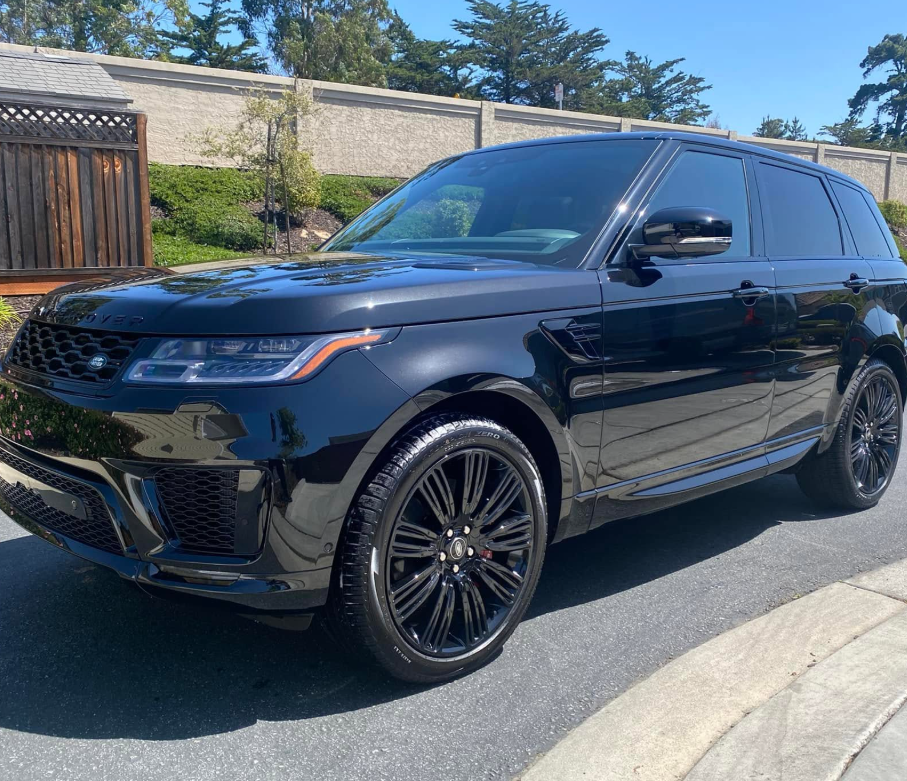
How PPF Protects Against Rock Chips on Highway 101 and Highway 1?
Paint protection film (PPF) protects against rock chips on Highway 101 and Highway 1 by placing a clear, flexible urethane layer between road debris and your factory paint. When gravel kicked up by tires strikes your bumper, hood, or mirrors at highway speed, the film absorbs and spreads the impact, so the stone hits film instead of clear coat. A self-healing top layer also helps light scratches disappear with heat. For Central Coast drivers who commute the 101 or cruise Highway 1, full front coverage on the bumper, hood, fenders, mirrors, and headlights protects the areas that take the most hits.
If you drive these highways regularly, you know the sound: a sharp tick against the hood or a ping off the bumper. One chip seems harmless, but a year of highway miles can leave the front end peppered with damage that is expensive to repaint and hard to ignore. At Elite Auto Spa in Marina, we help drivers across the greater Monterey area stop that damage before it starts.
How PPF Guards Against Rock Chips
Paint protection film, often called clear bra, is a thin, transparent film bonded over your vehicle's painted surfaces. It works as a sacrificial layer. Instead of a stone striking rigid clear coat and fracturing it, the flexible film gives on contact and spreads the force over a wider area, so the paint underneath stays intact. That is a different job from ceramic coating, which adds gloss and makes cleaning easier but cannot absorb impacts.
Modern films also have a self-healing top layer. Light swirl marks and fine scratches in the film's surface fade when it is warmed by the sun or warm water, so the front end keeps looking clean without constant polishing. Premium films typically last 5 to 10 years depending on exposure and care, and they resist UV damage that would otherwise dull the finish.
PPF is not invincible. A large or sharp piece of debris at high speed can still cut through film, and no film prevents collision damage. For the everyday gravel and grit behind most highway chips, though, it is the right tool for the job.
Why Highway 101 and Highway 1 Are Hard on Paint
Highway driving exposes your car to far more flying debris than neighborhood streets, and speed makes every impact hit harder. Trucks and work vehicles on Highway 101 through Salinas and Prunedale shed gravel, and resurfaced stretches leave loose aggregate that tires flick backward at the cars behind them. Highway 1 between Marina, Seaside, Monterey, and Carmel adds road work, coastal sand and grit, and steady commuter traffic.
Winter storms raise the risk further. In mid-February 2026, about a month after Highway 1 fully reopened through Big Sur, Caltrans closed a 6.8-mile stretch near Regent's Slide again so crews could clear rock and debris left by winter storms. Even after a road reopens, leftover grit and small stones can sit on shoulders and in travel lanes, where tires pick them up and throw them at the grille, hood, and fenders of the next car.
Coastal fog and salt air add chemical exposure on top of those impacts. Once a chip breaks through to bare metal, moisture and salt can start working on the exposed spot, which makes preventing chips even more important near the coast. Our article on PPF for coastal driving and salt air covers that side of the problem in more detail.
Paint Areas PPF Can Protect
On a Highway 101 commute or a Highway 1 drive toward Big Sur, the front bumper, the leading edge of the hood, the front fenders, the side mirrors, and the headlights take the most hits because they face oncoming debris head-on. Rocker panels and the areas behind the wheels collect grit thrown up by your own tires and by the cars around you.
Our
paint protection film packages are built around those zones:
| Package | Coverage | Starting Price |
|---|---|---|
| Front Bumper | Front bumper | $1,000 |
| Full Front End | Front bumper, full hood, mirrors, full front fenders, headlights, fog lights | $2,600 |
| Track Pack | Front bumper, full hood, mirrors, rocker panels, headlights, fog lights, impact rear fenders | $3,600 |
| Full Vehicle | Front and rear bumpers, full hood, mirrors, front and rear fenders, all doors, rocker panels, trunk, roof, headlights, fog lights | $6,295 coupes/sedans, $7,295 SUVs/trucks |
For most daily commuters, the Full Front End package is the practical choice. It covers entire panels instead of stopping partway up the hood, so there is no film line across the paint and the whole front end is protected. Drivers who log heavy highway miles may want the Track Pack for its rocker panel and rear fender coverage. Your windshield takes hits too, and our ClearPlex Contour windshield film helps defend glass against rock chips, pitting, and bull's-eyes.
Installation and Film Care
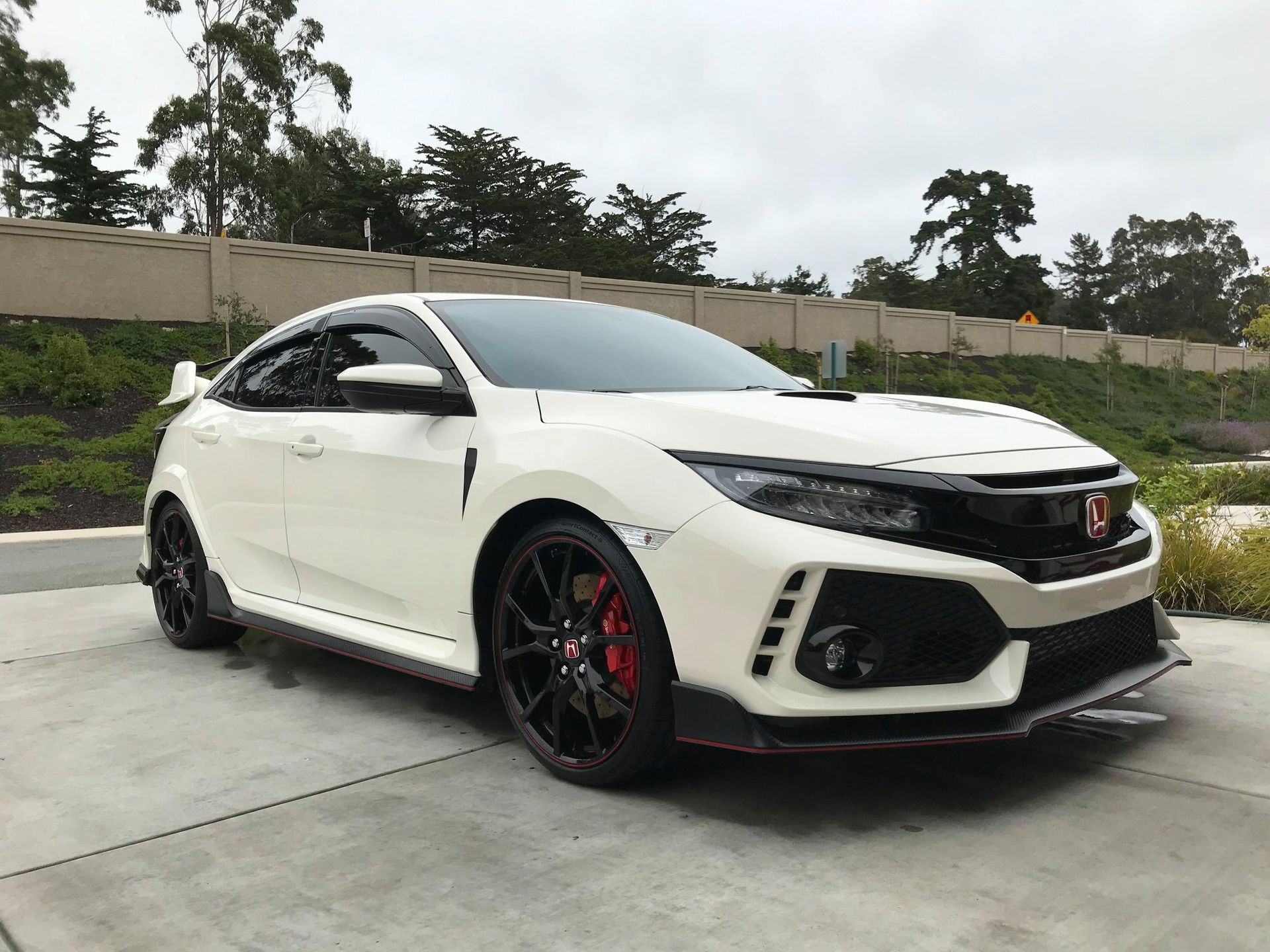
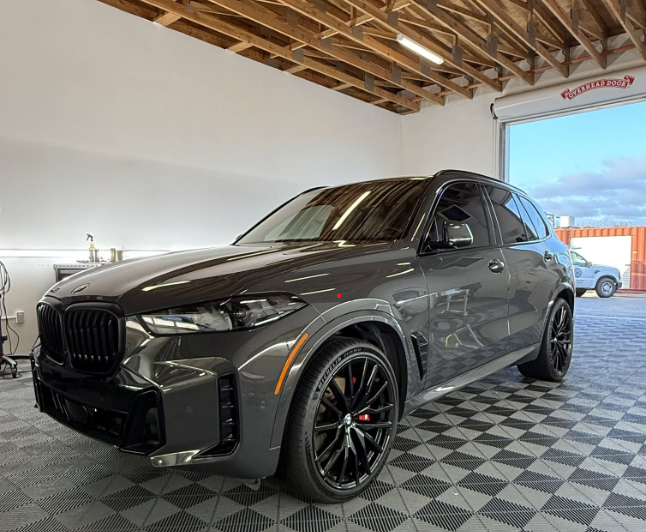
PPF only protects as well as it is installed. Film applied over a dusty panel or trimmed carelessly can trap bubbles, collect grime at the edges, and start lifting within months. At Elite Auto Spa, our team measures, cuts, and hand-applies every film with precision. We prepare the surface with cleaners that remove dirt, wax residue, and dust, then use templates matched to your vehicle's make and model so the film covers every edge and curve of the selected panels. If your paint already has chips, ask how they will be handled first, since film seals in whatever is underneath it.
Caring for New Film
Fresh film needs time for the adhesive to cure, so wait before the first wash and keep pressure washers away from the edges for several weeks. After that, hand wash every one to two weeks with a pH-neutral soap and a soft microfiber mitt, paying extra attention to film edges, where salt and grime collect. Dry with microfiber instead of letting the car air dry, remove bird droppings and bug residue promptly, and skip automatic car washes with brushes. Avoid ammonia- or alcohol-based cleaners, which can speed up yellowing.
For drivers who park outdoors in Marina and Monterey, a ceramic coating over the film adds a slick, hydrophobic top layer that makes cleaning faster and helps repel water, dirt, and salt residue. Our Ultimate Armor package pairs full front PPF with a full-vehicle Ceramic Pro coating for exactly this reason.
Knowing When to Replace Film
PPF lasts for years, but it does need periodic inspection. Yellowing, cloudiness, lifting edges, or a loss of self-healing response are signs the film is wearing out and should be replaced before it stops protecting the paint underneath.
Protect Your Front End Before the Next Highway Trip With Elite Auto Spa
Whether your week includes a Highway 101 commute through Salinas, a weekend drive down Highway 1 to Big Sur, or prep for a car show, Elite Auto Spa has been protecting vehicles across the greater Monterey area since 2014. We match film coverage to the roads you actually drive, from a front bumper package to full vehicle protection and windshield film.
We serve Marina, Monterey, Pacific Grove, Seaside, Sand City, Carmel, Pebble Beach, Salinas, Prunedale, Watsonville, Santa Cruz, and East Garrison from our studio at 407 Reservation Road, Suite #2, Marina, CA 93933. We are open Tuesday through Saturday from 9:00 AM to 5:30 PM, with Sunday and Monday appointments available. Call
(831) 229-3121 or
request a free estimate and get your paint protected before the highway throws another stone your way.
Frequently Asked Questions About PPF and Rock Chips
Does PPF really stop rock chips?
Yes, for the small stones and gravel that cause most highway chips. The flexible film absorbs and spreads the impact so the stone strikes film instead of paint. Very large or sharp debris at high speed can still damage film, but PPF prevents the everyday chipping that wears down a front end.
How much PPF coverage do I need for highway driving?
Most highway commuters are well served by full front coverage on the bumper, hood, fenders, mirrors, and headlights. If you mainly drive around town, front bumper coverage is a budget-friendly start. Heavy highway mileage or rough roads make the Track Pack worth considering.
How long does PPF last on the Central Coast?
Premium films typically last 5 to 10 years. Strong sun, salt air, and your washing habits determine where in that range your film lands, so regular hand washing and periodic inspections help it last longer.
Is PPF better than ceramic coating for rock chips?
Yes. Ceramic coating is a hard layer that adds gloss and makes cleaning easier, but it cannot absorb impacts. PPF is the product that stops chips. Many drivers combine the two, with film on the front end and a coating over the whole vehicle.
Can you see paint protection film on a car?
Quality film is nearly invisible once installed and can even slightly enhance shine. If you want a different look, we also offer matte PPF and color change PPF.
Can I protect my windshield from rock chips?
Yes. Standard PPF is made for painted surfaces, but our ClearPlex Contour windshield film is designed for glass and helps defend against rock chips, pitting, and bull's-eyes. It starts at $550.
Is PPF only worth it for luxury cars?
No. PPF can be applied to any make or model. If you drive Highway 101 or Highway 1 often, any car you plan to keep benefits from front-end protection.